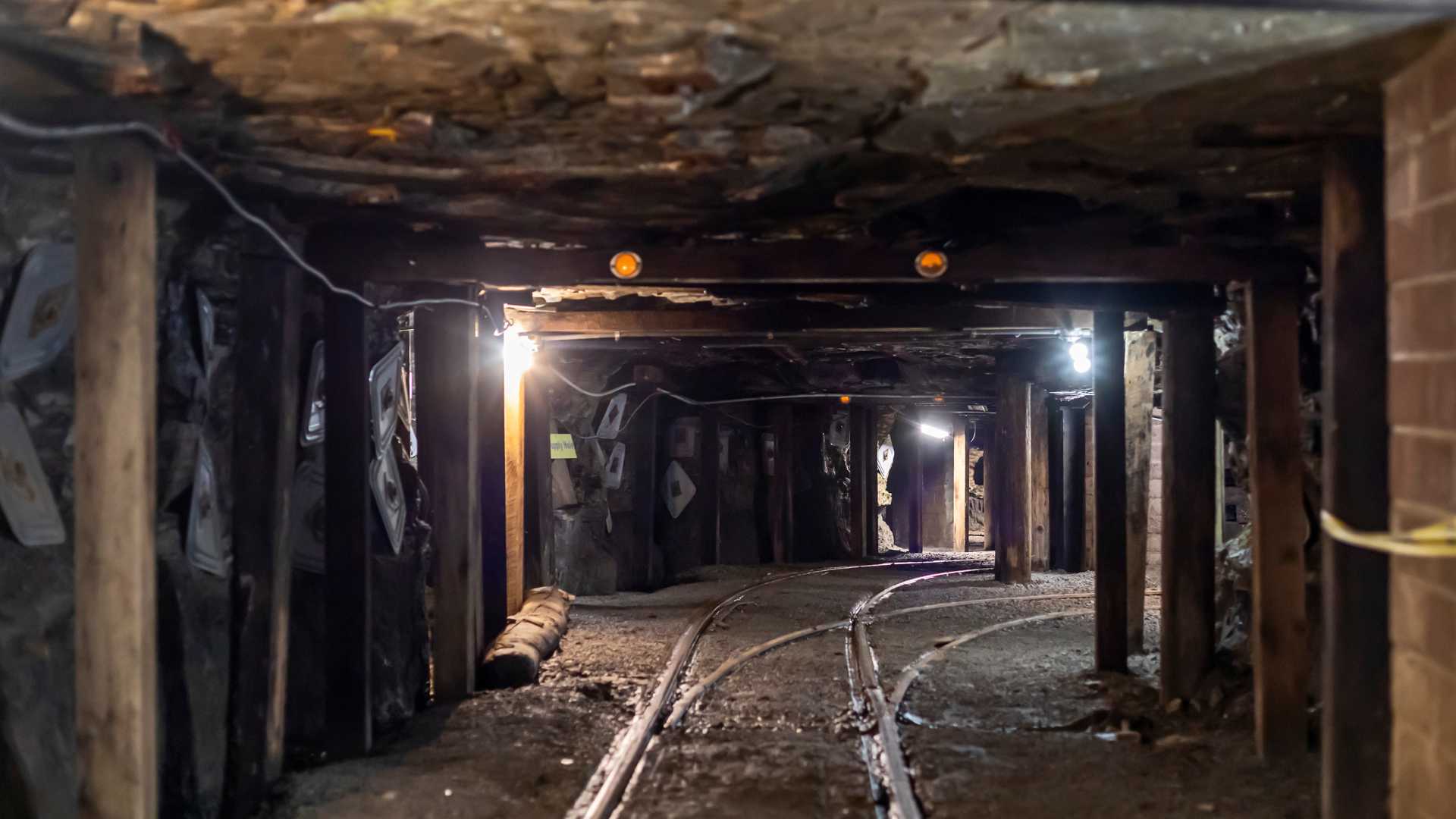
Tragic Explosion in Meghalaya's Illegal Coal Mine Claims Lives

Recent explosion in Meghalaya's coal mine highlights ongoing issues of illegal mining and safety standards enforcement.
G
Gopi
6 mins read
Deadly Blast in Illegal Meghalaya Coal Mine Kills 18
Not Started

1. Background and Context of the Meghalaya Mine Explosion

An explosion in an illegally operated rat-hole coal mine in the East Jaintia Hills (February 2026) killed 18 miners, marking one of the worst accidents since the 2012 and 2018 mine disasters in Meghalaya. Despite a 2014 NGT ban on rat-hole mining and a subsequent Supreme Court upholding of the ban, illegal extraction has continued in remote districts.

The recurring accidents highlight a persistent governance vacuum in regulating small, unscientific, and hazardous mining practices. This undermines rule of law, weakens environmental governance, and exposes vulnerable migrant labourers—many from neighbouring Assam—to deadly working conditions.

Such incidents also test the capacity of disaster response systems in inaccessible terrain, where NDRF, SDRF, and specialised rescue teams must intervene reactively due to weak enforcement and preventive oversight.

Ignoring these early warnings reinforces impunity among illegal operators, normalises unsafe mining, and deepens administrative distrust in eco-sensitive tribal regions.

Key Statistics:

  • 18 miners killed (February 2026)
  • 15 deaths in 2012 (South Garo Hills)
  • 15 deaths in 2018 (East Jaintia Hills, 370 ft deep)
  • NGT blanket ban: April 2014

2. Governance Failure and Persistence of Illegal Mining

Despite formal prohibitions, rat-hole mining persists due to its deeply embedded economic networks involving local operators, labour contractors, and allegations of political patronage. The administrative machinery struggles to regulate large forested and hilly areas where illegal mines are frequently reopened after raids.

The 2026 mishap again revealed the lack of reliable data on mine ownership, worker identity, and safety compliance. The police had to file a suo motu FIR under the Bharatiya Nyaya Sanhita, the MMDR Act, and the Explosive Substances Act, indicating that illegal operations remain largely unmonitored.

Committees like the Justice B.P. Katakey panel—tasked with monitoring restoration and compliance—have submitted periodic reports, but activists argue that implementation gaps persist, reducing the efficacy of judicial oversight.

Without strong political will and institutional coordination, enforcement continues to remain reactive, creating a cycle where violations recur faster than corrective mechanisms are implemented.

Causes of Persistence:

  • Remote terrain enabling discreet operations
  • High daily wages (≈ ₹2,000/day) attracting labour
  • Weak inspection and monitoring capacity
  • Alleged political–local nexus
  • Ineffective follow-through on committee reports

3. Humanitarian and Socio-Economic Dimensions

Illegal mines attract low-income workers from neighbouring states, especially Assam, due to the absence of alternative livelihoods and the lure of higher wages. However, rat-hole mining inherently forces workers into narrow pits 4–5 ft high, exposing them to flooding, toxic gases, and explosions.

The 2026 explosion once again brought attention to the precarious lives of migrant labourers who often work without formal contracts, identification, insurance, or social security. The delay in identifying the victims underscores the invisibility of this workforce within official systems.

Ex-gratia payments, such as Meghalaya’s ₹3 lakh announced for each victim’s family, offer temporary relief but do not compensate for systemic vulnerabilities that drive unsafe labour migrations.

If the structural socio-economic factors remain unaddressed, workers will continue entering hazardous informal sectors, perpetuating cycles of poverty and exploitation.

Impacts:

  • Loss of life and livelihood insecurity for migrant workers
  • Long-term trauma in affected communities
  • Increased distrust toward local administration
  • Recurring burden on state disaster response systems

4. Legal, Regulatory, and Enforcement Dimensions

The 2026 incident showcases multiple layers of regulatory shortfall. Although the NGT ban (2014) and Supreme Court orders created a strong legal framework against rat-hole mining, enforcement has been fragmented. Mines continue to operate using banned explosives, violating multiple legal provisions simultaneously.

The police invoked:

  • Bharatiya Nyaya Sanhita (BNS) provisions on negligence and unlawful acts
  • Mines and Minerals (Development and Regulation) Act for illegal extraction
  • Explosive Substances Act for suspected dynamite use

However, the absence of pre-operational audits, GIS-based mine mapping, or continuous monitoring makes prosecution difficult. The mine owners and operators often remain untraceable, enabling the informal mining economy to regenerate.

Unless enforcement becomes proactive—through surveillance systems, local intelligence, and real-time reporting—legal provisions will remain deterrents on paper rather than in practice.

Challenges in Enforcement:

  • Difficulty tracing mine ownership
  • Limited administrative presence in remote areas
  • Lack of labour documentation
  • Slow implementation of judicial committee recommendations
  • Insufficient coordination between mining, forest, and police departments

5. Environmental and Safety Concerns Around Rat-Hole Mining

Rat-hole mining is environmentally destructive due to unscientific extraction patterns that destabilise soil, pollute rivers, and degrade forests. The narrow tunnels dig deep into fragile hill slopes, increasing the risk of collapses, floods, and explosions.

The environmental damage in Meghalaya’s coal belt has been documented repeatedly in high court and NGT proceedings, leading to the formation of the Justice B.P. Katakey Committee to propose restoration measures. However, activists observe that illegal operations continue with little change in ground realities.

Given the ecological sensitivity of the Jaintia Hills—home to unique limestone formations, forest ecosystems, and river networks—unchecked mining threatens long-term sustainability and livelihoods linked to agriculture and forestry.

Environmental erosion combined with unsafe mining practices creates compounding risks—escalating disasters and making future restoration costlier and less effective.

Environmental Impacts:

  • Soil destabilisation and land subsidence
  • Contamination of rivers and aquifers
  • Forest degradation and loss of biodiversity
  • Increased frequency of mining-related accidents

6. Administrative, Judicial, and Policy Way Forward

The recurrence of mine accidents indicates the need for a multi-pronged governance overhaul. First, state-level monitoring must be strengthened through mapping of abandoned mines, drone surveillance, and coordinated task forces involving mining, forest, and police departments.

Second, labour protections must be institutionalised. Worker registration, identity verification, skill mapping, and insurance coverage can reduce vulnerabilities. Transparent reporting platforms for whistleblowers may help counter entrenched networks shielding illegal mines.

Third, the recommendations of the Justice Katakey Committee require time-bound implementation with periodic public disclosure. Stronger accountability mechanisms must ensure that political or administrative complicity does not impede enforcement.

"The rule of law is the bedrock of a civilised society." — B.R. Ambedkar
This underscores the necessity of consistent enforcement to prevent repeat violations and safeguard vulnerable workers.

Without integrated institutional action, episodic relief measures will fail to address the systemic nature of illegal mining and its associated risks.

Suggested Reforms:

  • GIS-based mine mapping and drone monitoring
  • Strengthening district mining task forces
  • Worker documentation and insurance provisioning
  • Transparent tracking of committee recommendations
  • Community-based monitoring in tribal areas
  • Capacity-building for emergency response teams

Conclusion

The Meghalaya mine tragedy reflects deeper structural issues in governance, labour safety, and environmental regulation. While immediate relief measures and inquiries are essential, long-term reforms must focus on monitoring, accountability, and socio-economic alternatives for vulnerable workers. Strengthening institutional capacity and enforcing existing laws consistently can gradually dismantle illegal mining networks and ensure safer, sustainable development in the region.

Quick Q&A

Everything you need to know

Understanding rat-hole mining:
Rat-hole mining is a primitive and hazardous method of coal extraction in which narrow horizontal or vertical tunnels, often just 4–5 feet high, are dug to extract coal seams. Workers squat or crawl inside these poorly ventilated shafts, usually without protective equipment or structural safeguards. In Meghalaya, this practice developed due to the region’s unique geology, land ownership patterns under the Sixth Schedule, and the presence of thin coal seams that are difficult to mine using mechanised methods.

Legal ban and continued prevalence:
In 2014, the National Green Tribunal (NGT) imposed a blanket ban on rat-hole mining and coal transportation in Meghalaya due to its devastating environmental and human costs. This ban was later upheld by the Supreme Court. However, as the 2026 East Jaintia Hills explosion tragically illustrates, the practice continues illegally. Weak enforcement, local political patronage, and fragmented regulatory authority have allowed illegal mining to persist. Activists have consistently alleged that mine owners operate with the backing of influential political and economic actors, undermining the rule of law.

Structural reasons for persistence:
Economic desperation plays a major role. Daily wages of up to ₹2,000 attract migrant workers, particularly from Assam, despite the risks. Additionally, institutional mechanisms such as the Justice B.P. Katakey Committee, tasked with monitoring compliance and environmental restoration, have failed to achieve meaningful deterrence. The persistence of rat-hole mining thus reflects a deeper governance deficit, where environmental law, labour protection, and local political economy intersect to produce repeated human tragedy.

Breakdown of environmental governance:
Repeated mining disasters in Meghalaya expose a chronic failure of environmental governance. Despite clear judicial orders by the NGT and the Supreme Court, illegal mining continues unabated. This reflects not just weak enforcement capacity, but also a lack of political will to confront entrenched local interests. When environmental regulations exist only on paper, they fail to serve their deterrent purpose, undermining the credibility of India’s environmental regulatory framework.

Rule of law and institutional credibility:
The continued operation of banned mining practices highlights selective enforcement of the law. While small violations often attract swift penalties, large-scale illegal activities backed by economic and political power frequently escape accountability. This erodes public trust in institutions and violates the principle of equality before law under Article 14. The registration of FIRs after accidents, rather than proactive prevention, suggests a reactive governance model that prioritises damage control over systemic reform.

Wider implications:
From a UPSC perspective, these incidents illustrate how governance failures can convert environmental issues into human rights crises. Unsafe working conditions violate the right to life under Article 21, while unchecked ecological damage affects future generations. The Meghalaya case thus raises broader questions about cooperative federalism, regulatory capture, and the effectiveness of judicial interventions in enforcing sustainable development.

Judicial interventions:
Judicial bodies have played a central role in addressing illegal mining in Meghalaya. The NGT’s 2014 ban on rat-hole mining was a landmark decision grounded in environmental protection and worker safety. The Supreme Court’s subsequent oversight aimed to ensure compliance while allowing regulated coal transportation under strict conditions. Additionally, the Meghalaya High Court constituted the Justice (Retd.) B.P. Katakey Committee to monitor illegal mining and recommend environmental restoration measures.

Administrative limitations:
Despite these interventions, outcomes have been disappointing. Committees lack enforcement powers and depend heavily on State machinery, which is often compromised by local political economy dynamics. Reports submitted by oversight bodies have rarely translated into sustained ground-level action. Fragmented jurisdiction between central environmental authorities, State agencies, and autonomous district councils further complicates accountability.

Why results remain limited:
The core issue lies in implementation. Judicial directions cannot substitute for effective executive enforcement. Without consistent monitoring, transparent prosecution of mine owners, and livelihood alternatives for workers, illegal mining re-emerges. For UPSC interviews, this case underscores a critical lesson: institutional design and judicial intent must be complemented by administrative capacity and political resolve to achieve lasting reform.

Economic compulsion and migration:
The primary driver pushing workers into rat-hole mining is economic vulnerability. Many miners are migrants from neighbouring States such as Assam, drawn by relatively high daily wages compared to available alternatives. In regions marked by limited industrial development, informal mining becomes a survival strategy rather than a choice. The absence of social security nets and alternative livelihoods exacerbates this dependence.

Informality and invisibility:
Rat-hole mining thrives in the informal economy, where labour laws, safety regulations, and insurance mechanisms are largely absent. Workers often lack written contracts, making them invisible in official records and excluded from labour protections. When accidents occur, compensation is discretionary rather than rights-based, as seen in the ex-gratia announcements following disasters.

Structural neglect:
Long-term neglect of regional development, skill training, and employment diversification perpetuates this cycle. Without targeted interventions such as livelihood transition programmes, illegal mining remains attractive despite its dangers. This highlights how economic policy, labour welfare, and environmental protection must be integrated rather than treated as isolated domains.

State responsibility and enforcement:
Mining regulation and law enforcement fall squarely within the State’s domain. The recurrence of fatal accidents indicates systemic enforcement failure. While post-accident inquiries and FIRs are routinely announced, they rarely result in convictions of mine owners or political facilitators. This reflects weak deterrence and raises questions about regulatory capture and political complicity.

Accountability deficit:
Political accountability remains diffuse. Committees are formed, reports are tabled, but responsibility is rarely fixed. The absence of transparent prosecution and administrative sanctions against officials who allow illegal mining to flourish undermines governance credibility. This selective accountability reinforces the perception that economic power can override legal prohibitions.

Way forward:
A credible response requires shifting from symbolic action to structural reform. This includes fixing accountability for enforcement lapses, strengthening local administration, and ensuring judicial monitoring translates into real consequences. For UPSC aspirants, the case exemplifies how governance failures, not policy absence, often lie at the heart of repeated public tragedies.

Learning from repeated tragedy:
The 2026 explosion, like earlier incidents in 2012 and 2018, demonstrates that disaster response alone cannot substitute for prevention. Despite NDRF deployments and inter-agency rescue efforts, lives lost cannot be recovered. The lesson is clear: governance must prioritise risk prevention over post-crisis management.

Policy and administrative reforms:
Future reforms must integrate environmental regulation with labour welfare and regional development. This includes strict enforcement against mine owners, real-time monitoring using technology, and credible witness protection to expose illegal networks. Equally important is creating alternative livelihoods through skill development and public employment schemes to reduce dependence on illegal mining.

Broader governance takeaway:
For UPSC interviews, this case highlights the intersection of environment, economy, and ethics in public administration. Sustainable development cannot be achieved through bans alone; it requires inclusive growth, institutional integrity, and political accountability. The Meghalaya disaster thus serves as a cautionary tale of what happens when governance failures persist despite clear legal mandates.

Attribution

Original content sources and authors

Sign in to track your reading progress

Comments (0)

Please sign in to comment

No comments yet. Be the first to comment!