
Golden Discovery in Lakkundi: Century-Old Ornaments Unearthed During House Construction

Honest Boy Alerts Authorities; 466 Grams of Gold to be Studied by Archaeologists as Family Receives Government Support
GopiGopi
3 mins read
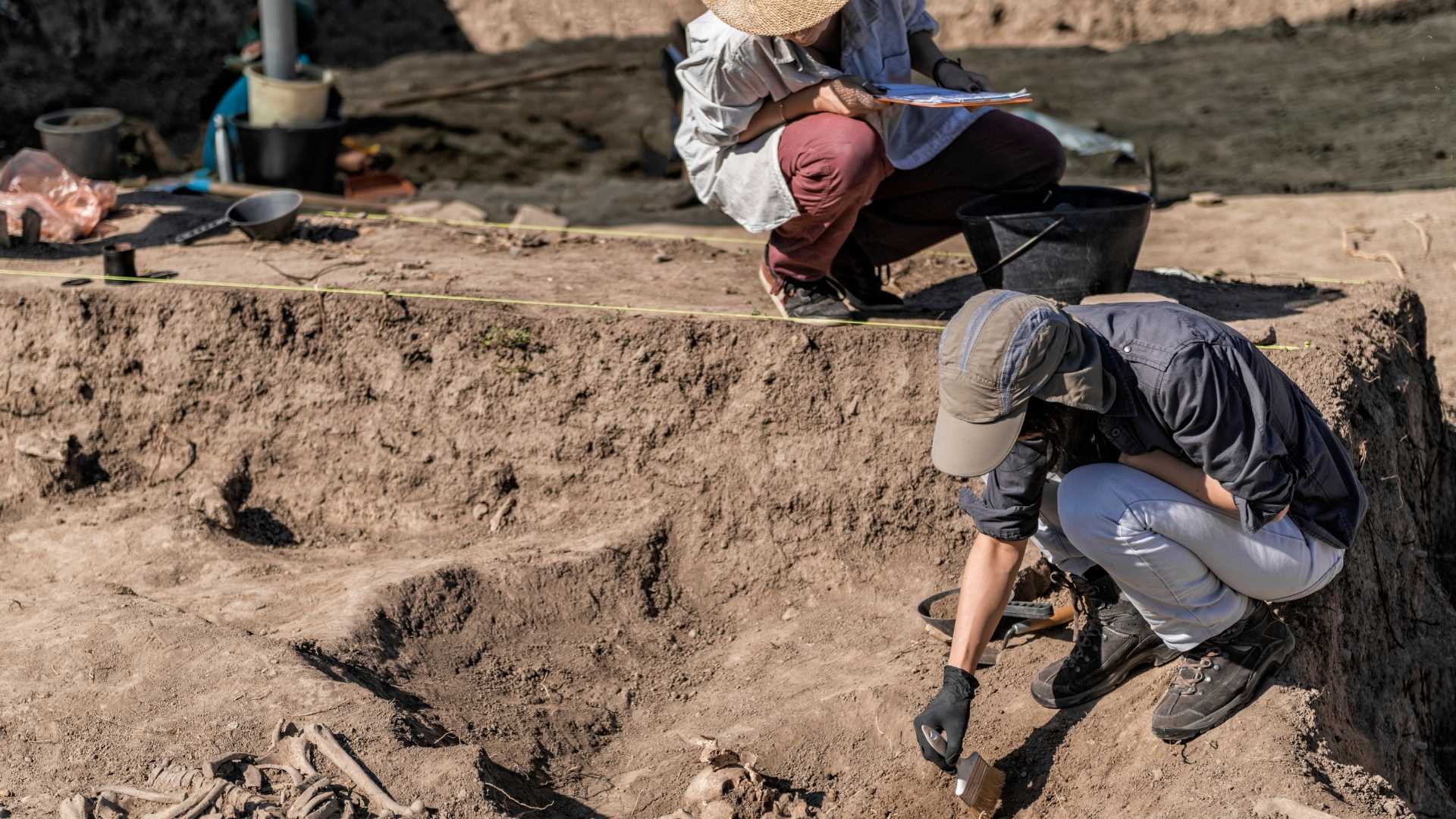
Excavation site in Lakkundi village where 466 grams of century-old gold ornaments were discovered
Not Started

Lakkundi Gold Discovery: Heritage, Governance, and Socio-Cultural Implications

1. Background and Context of Discovery

During house construction in Lakkundi village, Gadag district, a family unearthed a container (charige/tambige) holding approximately 466 grams of gold ornaments, likely over 100 years old. Lakkundi, historically renowned for its 101 temples and 101 wells, is a key site for Karnataka’s architectural heritage.

The incident underscores the interface between modern construction and heritage conservation. Unauthorized or unplanned excavation in heritage-rich regions can damage cultural assets, prompting the need for administrative safeguards.

Citizen ethics played a critical role; the young discoverer, Prajwal, alerted authorities, ensuring that proper legal and archaeological procedures were followed.

Governance logic: Citizen awareness and adherence to heritage laws are essential to prevent loss of cultural assets and potential legal disputes.

  • Key Data:

    • Gold weight: 466 grams
    • Estimated age: Over 100 years

2. Institutional Response and Governance Mechanisms

The discovery involved multiple stakeholders:

  • District Administration, Gadag – Oversaw site security and coordination.
  • Archaeological Department – Tasked with artifact authentication and dating.
  • Deputy Commissioner’s Office – Managed administrative and legal processes.
  • B.H. Patil Education Society – Provided educational support for Prajwal.
  • State Government – Considered alternative house construction and employment support.

The case highlights multi-institutional coordination, balancing citizen welfare, legal compliance, and heritage protection.

Governance logic: Coordination ensures protection of cultural heritage while upholding citizens’ rights. Ignoring it may lead to disputes and potential destruction of artifacts.

  • Challenges:

    • Balancing private property rights with preservation
    • Timely archaeological assessment
    • Effective multi-stakeholder coordination

3. Cultural Significance and Socio-Economic Implications

Lakkundi’s historical infrastructure, such as temples and wells, is a crucial socio-cultural asset. The discovery reinforces local identity and encourages cultural tourism, exemplified by the annual Lakkundi Utsav.

Prajwal’s action demonstrates ethical citizen behavior, critical for preserving heritage. Government recognition via education and employment support reinforces civic responsibility and community engagement.

Governance logic: Integrating heritage conservation with social welfare promotes sustainable tourism and strengthens civic ethics. Ignoring citizen participation can compromise cultural preservation and public trust.

  • Policy Measures:

    • Education and awareness campaigns for heritage protection
    • Support systems for affected families
    • Integration of cultural festivals with preservation initiatives

4. Archaeological Assessment and Knowledge Preservation

Initial assessments suggested the find could reflect local practices of hiding valuables, rather than a historically significant treasure. Accurate dating and contextual study are essential to validate historical significance.

Understanding terms like charige/tambige offers insight into traditional storage practices and socio-cultural behavior, informing both archaeology and heritage documentation.

Governance logic: Professional evaluation prevents misinterpretation of artifacts. Neglecting scientific assessment risks distortion of historical knowledge.

  • Implications:

    • Provides baseline for heritage preservation policies
    • Guides construction regulations in heritage zones
    • Strengthens local archaeological research methodologies

5. Way Forward: Heritage Management and Policy Integration

The discovery highlights the need for structured heritage management frameworks:

  • Pre-construction identification of heritage-sensitive zones
  • Public awareness campaigns on reporting discoveries
  • Institutional support for affected families
  • Collaboration between administration, archaeology departments, and cultural organizations

Integrating cultural preservation with socio-economic development ensures sustainable heritage protection and enhances community engagement.

Governance logic: Proactive management aligns heritage preservation with development. Ignoring this can result in cultural loss and missed socio-economic opportunities.


6. Conclusion

The Lakkundi gold discovery demonstrates the intersection of heritage, governance, and civic responsibility. Effective protection relies on institutional coordination, scientific verification, citizen ethics, and policy support. Long-term outcomes include:

  • Preservation of historical and cultural assets
  • Promotion of sustainable tourism
  • Strengthening civic awareness and community engagement

Quick Q&A

Everything you need to know

The gold ornaments discovered in Lakkundi village are historically and culturally significant because they offer insights into the lifestyle, craftsmanship, and wealth of people who lived over a century ago. Initial assessments suggest that the ornaments are likely more than 100 years old and collectively weigh around 466 grams. Such findings help historians and archaeologists study patterns of personal adornment, trade, and metal usage in historical Karnataka.

Lakkundi itself is an important heritage site, known for its ancient architectural monuments, including temples and stepwells. The discovery of the ornaments adds to the cultural narrative of the region, complementing its existing archaeological and historical record. It also underlines the need for careful preservation and documentation of artifacts uncovered during construction or excavation activities.

Discovering historical artifacts like the gold ornaments in Lakkundi is important because it allows for tangible engagement with the past. Such findings provide material evidence of social, economic, and cultural practices, which textual records alone may not capture. They help historians reconstruct the daily lives, trade networks, and artistic capabilities of communities from earlier periods.

From a heritage conservation perspective, early identification and protection of artifacts ensure that valuable cultural resources are preserved for future generations. In this case, the immediate intervention by local authorities and the Archaeological Department prevented potential loss or damage. It also highlights the importance of legal frameworks and administrative mechanisms for safeguarding artifacts found during private or construction activities.

Upon discovery of the gold ornaments by the Ritti family, local authorities were promptly alerted. The district administration and the Archaeological Department visited the site, and the area was barricaded to prevent disturbance or unauthorized removal of the artifacts. Work on the construction site was halted to preserve the integrity of the findings.

Archaeologists conducted a preliminary assessment, with Ramesh Mulimani indicating that the items may not constitute a traditional 'treasure' but rather personal or household belongings hidden in the past. Further studies were planned to accurately date and catalogue the items. Additionally, government representatives, including Minister H.K. Patil, assured the family of support for house construction and other requests, showing the balance between administrative protection of heritage and welfare of local citizens.

Several factors could explain the preservation of the gold ornaments. First, gold is chemically stable and does not corrode or degrade easily, allowing items buried in the soil to survive over long periods. Second, the ornaments were kept in a copper container, which could have offered additional protection from moisture, pests, and physical damage.

Historically, it was common for families in India to hide valuable household items in times of uncertainty, conflicts, or economic need. As noted by local elders, villagers in Lakkundi traditionally stored ornaments in their kitchens or other secure locations. Such practices, combined with the artifact's natural durability and careful burial, likely contributed to their survival and eventual discovery during modern excavation.

Challenges:

  • Risk of damage: Excavation and construction can inadvertently damage historical artifacts if discovered late.
  • Property rights vs. heritage: Private landowners may face restrictions or delays when valuable artifacts are found, potentially leading to conflicts or financial loss.
  • Administrative coordination: Effective preservation requires prompt coordination between local authorities, archaeology departments, and law enforcement, which can be complex in rural areas.

Opportunities:
  • Documentation and research: Such discoveries offer material for academic study and enrich local cultural heritage.
  • Public awareness: Involving local communities in preservation can increase awareness of heritage value.
  • Tourism and cultural promotion: Proper conservation can enhance the profile of heritage sites, attracting visitors and boosting local economies.

Balancing these factors requires legal frameworks like the Ancient Monuments and Archaeological Sites and Remains Act and proactive administrative support for both landowners and heritage protection.

In the Lakkundi case, the Ritti family, who discovered the gold ornaments, was assured support by the district administration and state government. Since the family decided not to proceed with construction at the site of discovery, authorities promised to provide assistance for building their house at an alternative location. Additionally, Minister H.K. Patil indicated that the family's request for employment would be considered, and educational support was pledged for Prajwal, the young boy who discovered the ornaments.

This approach demonstrates a model for integrating heritage preservation with citizen welfare, ensuring that archaeological interests do not conflict with the legitimate needs and rights of local residents.

The Lakkundi discovery illustrates the critical role of community engagement in protecting cultural heritage. The honesty and prompt action of Prajwal, the young boy, and the cooperation of the Ritti family were key in ensuring the artifacts were handed over to authorities. Their actions prevented potential loss or unauthorized sale of historically significant items.

This case highlights how awareness, education, and incentives for local communities can enhance heritage preservation. By fostering a sense of pride and responsibility, authorities can ensure that discoveries during construction or excavation are reported, documented, and preserved. Programs like heritage festivals, educational support, and recognition for ethical behavior can strengthen public participation in protecting cultural assets.

Attribution

Original content sources and authors

Sign in to track your reading progress

Comments (0)

Please sign in to comment

No comments yet. Be the first to comment!
