
1. Archaeological Context and Recent Discoveries
Excavations initiated on January 16 at the Kote Veerabhadreshwar temple premises in Lakkundi (Gadag district, Karnataka) have yielded relics dating back to the Neolithic period. This significantly pushes back the known human habitation timeline of the region beyond its well-documented medieval history.
The discovery follows a recent incident where a local family unearthed a “treasure” while digging foundations for a house, indicating that valuable archaeological remains are dispersed beneath present-day habitations. This underlines the density and continuity of cultural layers at Lakkundi.
The findings have added substantive archaeological weight to ongoing efforts to nominate Lakkundi for inclusion in the UNESCO World Heritage Sites list, strengthening its claim as a site of Outstanding Universal Value (OUV).
Neglecting systematic excavation and documentation at this stage risks irreversible loss of prehistoric evidence due to construction activities and unregulated land use.
Archaeological evidence forms the scientific basis for heritage protection and global recognition. If early-period layers such as Neolithic remains are not recorded and conserved, both academic understanding and policy credibility for heritage nomination weaken.
2. Historical Significance of Lakkundi as an Urban and Cultural Centre
Historically known as Lokkigundi, Lakkundi finds mention in inscriptions from the 11th–12th centuries, where it was compared to Amaravati, the mythical capital of Indra, reflecting its affluence and prominence.
The village was an important administrative and economic centre, housing a “tankashale” (mint) and serving under successive dynasties — Chalukyas, Yadavas, and Hoysalas. It was also the capital of Hoysala king Eradane Ballala (Veeraballala) in 1192 A.D.
Lakkundi’s decline and partial burial of structures beneath modern settlements illustrate the consequences of unplanned urban continuity over heritage landscapes.
Failure to recognise such historically layered urban centres reduces opportunities to study indigenous models of medieval urbanism and governance.
Historic urban centres provide insights into political economy, administration, and culture. Ignoring them limits evidence-based understanding of India’s pre-modern state systems and weakens heritage-led development strategies.
3. Religious Pluralism and Social History
Lakkundi was the Karmabhoomi of Queen Attimabbe, an 11th-century Jain philanthropist renowned for temple-building, construction of Jain basadis, and sinking of wells for public welfare. Her legacy is institutionally recognised through the Daana Chintamani Attimabbe Prashasti instituted by the Karnataka government.
While Jainism flourished, Lakkundi also sheltered 12th-century Sharanas such as Ajaganna and Muktayakka, who propagated Basaveshwara’s egalitarian philosophy. This reflects a tradition of religious coexistence and intellectual exchange.
Such pluralistic heritage strengthens Lakkundi’s cultural significance beyond architecture, adding depth to its social history.
Ignoring this dimension risks reducing heritage discourse to monuments alone, overlooking lived traditions and social reform movements.
Religious pluralism enhances the cultural value of heritage sites. If sidelined, heritage conservation becomes monument-centric, missing its role in showcasing social cohesion and reformist traditions.
4. Architectural Heritage and Current Status
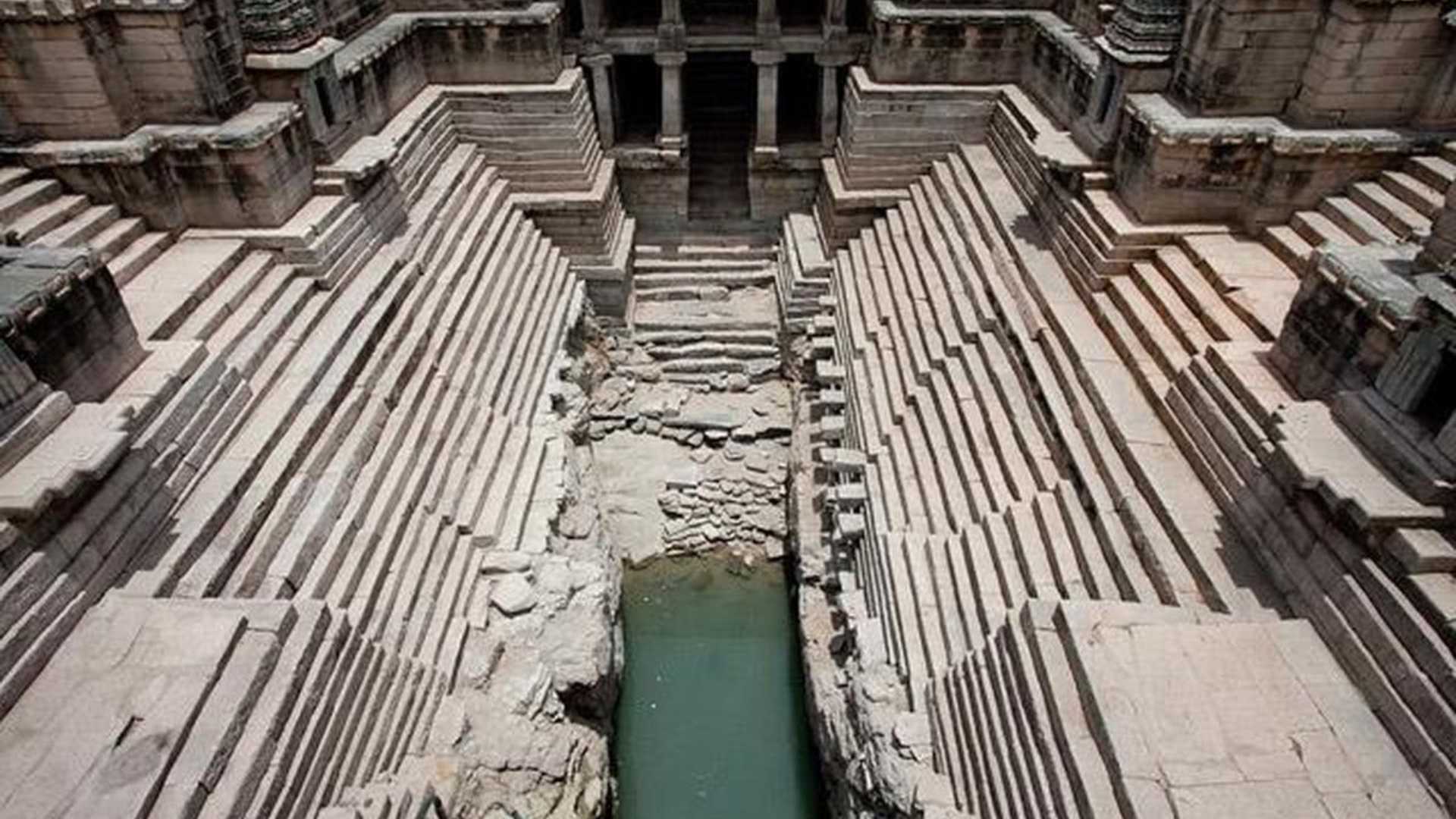
Historically referred to as the “village of hundred wells and temples,” Lakkundi today retains only 13 temples as per the Mumbai State Gazetteer, all reflecting the Kalyana Chalukya architectural style.
Even the surviving wells are noted for their intricate carvings, indicating advanced water-management aesthetics integrated with art.
The loss of numerous structures highlights long-term neglect, encroachment, and absence of proactive conservation planning.
If remaining structures are not protected comprehensively, incremental degradation could permanently diminish the site’s architectural integrity.
Architectural survivals are finite cultural assets. Without timely protection, cumulative neglect leads to irreversible erosion of heritage value and weakens claims for global recognition.
5. Institutional Efforts and Community Participation
Revival of excavation and restoration has been led under the initiative of H.K. Patil, Karnataka’s Minister for Law, Parliamentary Affairs, and Tourism, signalling political commitment to heritage governance.
In November 2024, the Karnataka State Tourism Development Corporation (KSTDC) and the Archaeology, Museums and Heritage Department launched a community-driven relic collection initiative.
Key data:
- 1,050 historical relics collected from households
- 13 inscriptions identified
- Establishment of an open museum, facilitated by residents donating land
This model demonstrates participatory heritage management, aligning conservation with local ownership.
Ignoring community involvement risks resistance, displacement anxieties, and unsustainable conservation outcomes.
Heritage conservation is institutionally effective only when communities are stakeholders. Excluding them can undermine legitimacy and long-term maintenance of restored sites.
6. UNESCO Nomination Process and INTACH’s Role
The Karnataka government is pursuing inclusion of a group of monuments at Lakkundi, along with nearby temples, in UNESCO’s Tentative List, consistent with a State Budget announcement.
The State has partnered with the Indian National Trust for Art and Cultural Heritage (INTACH) to refine and finalise the nomination proposal. As per officials, two meetings have already been held.
Current protection status:
- 7 ASI-protected monuments
- 16 State-protected temples
- Plan to add 8 more by month-end
- Study underway to include 20 additional structures (expected by February)
Delays or inadequate documentation could weaken India’s submission in the competitive UNESCO evaluation process.
UNESCO nomination requires rigorous, credible documentation and legal protection. Weak preparatory work risks rejection and loss of international conservation momentum.
7. Developmental Challenges and the Relocation Debate
There is a proposal to shift the village to facilitate full-scale restoration of buried temples and wells. However, authorities have clarified that any relocation decision will depend on excavation outcomes and ongoing surveys.
This reflects a governance dilemma between heritage conservation and livelihood security, common in densely inhabited archaeological sites.
Premature relocation without evidence-based planning could create social conflict and undermine trust in heritage institutions.
Balancing conservation with human settlement is a core governance challenge. Ignoring social dimensions can turn heritage projects into sources of displacement and policy failure.
Conclusion
The Lakkundi excavations highlight how archaeological evidence, institutional coordination, and community participation together can transform heritage sites into engines of cultural diplomacy and local development. Sustained, evidence-based governance will determine whether Lakkundi evolves into a globally recognised heritage landscape or remains a partially uncovered relic of the past.