1. Global Context: COP30 and the Circularity Agenda
The 30th Conference of the Parties (COP30) to the UNFCCC, held at Belem, Brazil in November 2025, placed waste management at the center of the climate agenda. A global initiative, No Organic Waste (NOW), was launched to cut methane emissions from organic waste, underlining the environmental and health risks of unprocessed waste. COP30 highlighted circularity as a pathway to inclusive growth, cleaner air, and healthier populations, urging cities to treat waste as a valuable resource.
India’s Mission LiFE, introduced at COP26 in Glasgow in 2021, reinforces this approach, promoting “deliberate utilisation instead of mindless consumption.” The linkage between consumption patterns and circularity highlights the importance of systemic behavioural and technological interventions in urban governance.
The logic: Integrating circularity into urban development ensures resource efficiency, reduces greenhouse gas emissions, and strengthens sustainable city planning. Ignoring this leads to escalating emissions, urban health crises, and increased municipal burdens.
2. Urban Waste Challenges in India
India’s urban expansion is irreversible, presenting a stark choice between efficient, clean cities and pollution-ridden urban areas. Studies indicate that Indian cities lag behind global standards in sanitation, air quality, and environmental management. The National Capital Region (NCR) and other major urban centers are among the world’s most polluted, reflecting systemic gaps in governance, infrastructure, and citizen engagement.
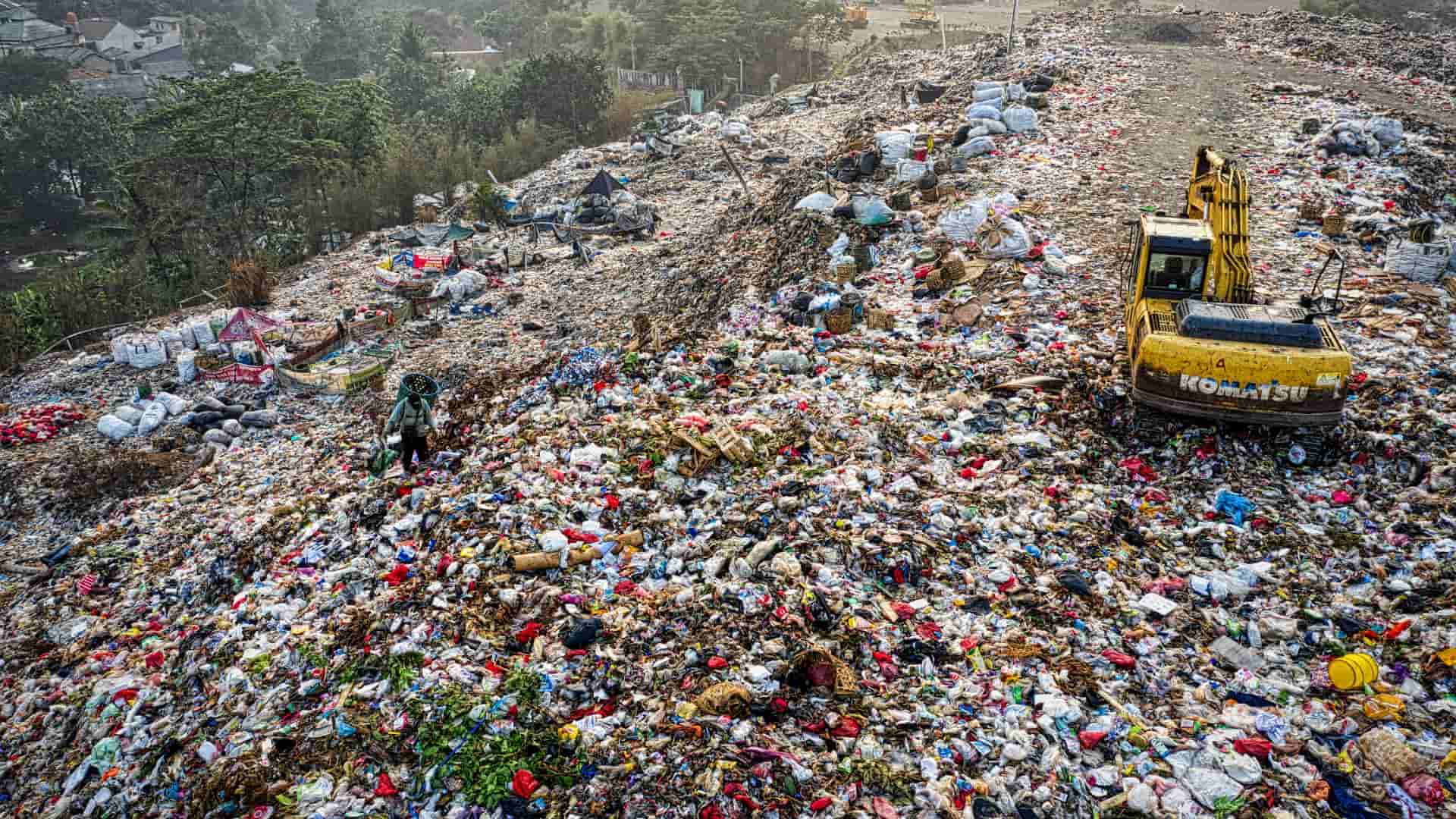
The Swachh Bharat Mission (SBM) has successfully ended open defecation and set goals for garbage-free cities, yet the escalating waste generation presents a long-term challenge. By 2030, Indian cities are projected to generate 165 million tonnes of waste annually, emitting over 41 million tonnes of GHGs. By 2050, with urban population reaching 814 million, waste could rise to 436 million tonnes, posing severe public health and economic risks.
The logic: Efficient urban waste management is critical for sustainable urbanization. Neglecting waste planning amplifies health risks, infrastructure stress, and environmental degradation.
-
Key Figures:
- 165 million tonnes of municipal waste by 2030
- 41 million tonnes of projected GHG emissions from urban waste
- 436 million tonnes of waste by 2050
3. Circular Economy: Transition from Linear Waste Management
India’s current waste management largely follows a linear model: production → consumption → disposal. Circularity promotes waste as a resource, enabling minimisation of waste while recovering energy and materials. Adoption of circular practices across all 5,000 cities and towns is essential to achieve Garbage-Free Cities (GFC) by 2026.
Organic waste, comprising more than 50% of municipal solid waste, can be processed through composting, bio-methanation, and Compressed Biogas (CBG) plants, converting waste into green fuel and electricity. Dry waste, including plastics, poses complex recycling challenges, requiring source segregation, enhanced Material Recovery Facilities (MRFs), and market development for refuse-derived fuel (RDF).
The logic: Circular systems reduce landfill dependency, recover resources, and create economic opportunities. Failure to transition maintains environmental hazards, energy loss, and economic inefficiency.
-
Key Innovations:
- CBG plants for green fuel from wet waste
- RDF from dry waste for industrial energy
- Composting for household and municipal organic waste
4. Plastic and Construction-Demolition Waste
Plastic waste is the most persistent challenge, with health and ecosystem impacts. Effective segregation at household level, robust recycling systems, and policy instruments like Extended Producer Responsibility (EPR) are crucial.
Construction and demolition (C&D) waste contributes about 12 million tonnes per year, exacerbated by unplanned urban expansion. Much of this can be recycled or reused as cost-efficient raw materials, reducing environmental damage. The Construction and Demolition Waste Management Rules, 2016, and the forthcoming 2025 Rules effective April 2026, impose regulatory frameworks including charges on large waste generators and compliance obligations.
The logic: Without stringent management of plastic and C&D waste, cities face persistent pollution, reduced livability, and lost material value. Enforcement of rules ensures accountability and resource recovery.
-
Key Figures:
- 12 million tonnes of C&D waste annually
5. Wastewater Management and Water Security
Wastewater management is integral to urban circularity. States must ensure recycling and reuse of treated water in agriculture, horticulture, and industries. Missions like AMRUT and SBM underline the causal link between water security and faecal sludge management. With limited water stock and growing demand, wastewater recycling is not optional but essential for sustainable urban planning.
The logic: Water reuse mitigates scarcity, supports agriculture, and aligns with climate-resilient urban strategies. Neglect risks urban water crises, health hazards, and unsustainable water extraction.
6. Hurdles and Governance Challenges
Achieving circularity in Indian cities faces multiple challenges:
- Fragmented stakeholder coordination
- Poor segregation, collection, and processing logistics
- Recycled products facing quality and marketability issues
- Incomplete EPR implementation
- Limited municipal financial and technical resources
The Cities Coalition for Circularity (C-3), endorsed regionally, fosters knowledge sharing and best practices among urban institutions. Citizen participation remains critical, requiring clear incentives and awareness campaigns.
The logic: Without coordinated governance, circularity policies remain theoretical. Effective institutional synergy ensures efficiency, compliance, and public engagement.
7. Way Forward
- Scale-up circular economy models across all urban centers
- Strengthen policy enforcement: EPR, C&D Rules, SBM 2.0
- Invest in technology and infrastructure: MRFs, CBG, RDF plants
- Promote citizen engagement and behavioural change in consumption and segregation
- Integrate water and waste management for holistic urban sustainability
The logic: Strategic, systemic adoption of circularity ensures cleaner, resilient cities, reduces GHG emissions, recovers resources, and fosters sustainable urban development.
Conclusion
Circular waste management is both an environmental necessity and economic opportunity for India’s urban future. Coordinated governance, citizen participation, and technological innovation can transform Indian cities from waste-laden spaces into sustainable, resource-efficient urban ecosystems, aligned with national and global climate commitments.