
1. Context: Rapid Urbanisation and the Logistics Imperative
India is undergoing one of the fastest urban transitions globally and is expected to be the largest contributor to global urban population growth over the next 25 years. With an urban population exceeding 540 million, cities and towns currently house about 35 per cent of India’s population, a share projected to rise to nearly 50 per cent by 2050.
Urbanisation acts as a key driver of economic growth, productivity, and employment. However, without commensurate investments in urban infrastructure—especially logistics—the growth dividend can quickly turn into congestion, inefficiency, and environmental stress.
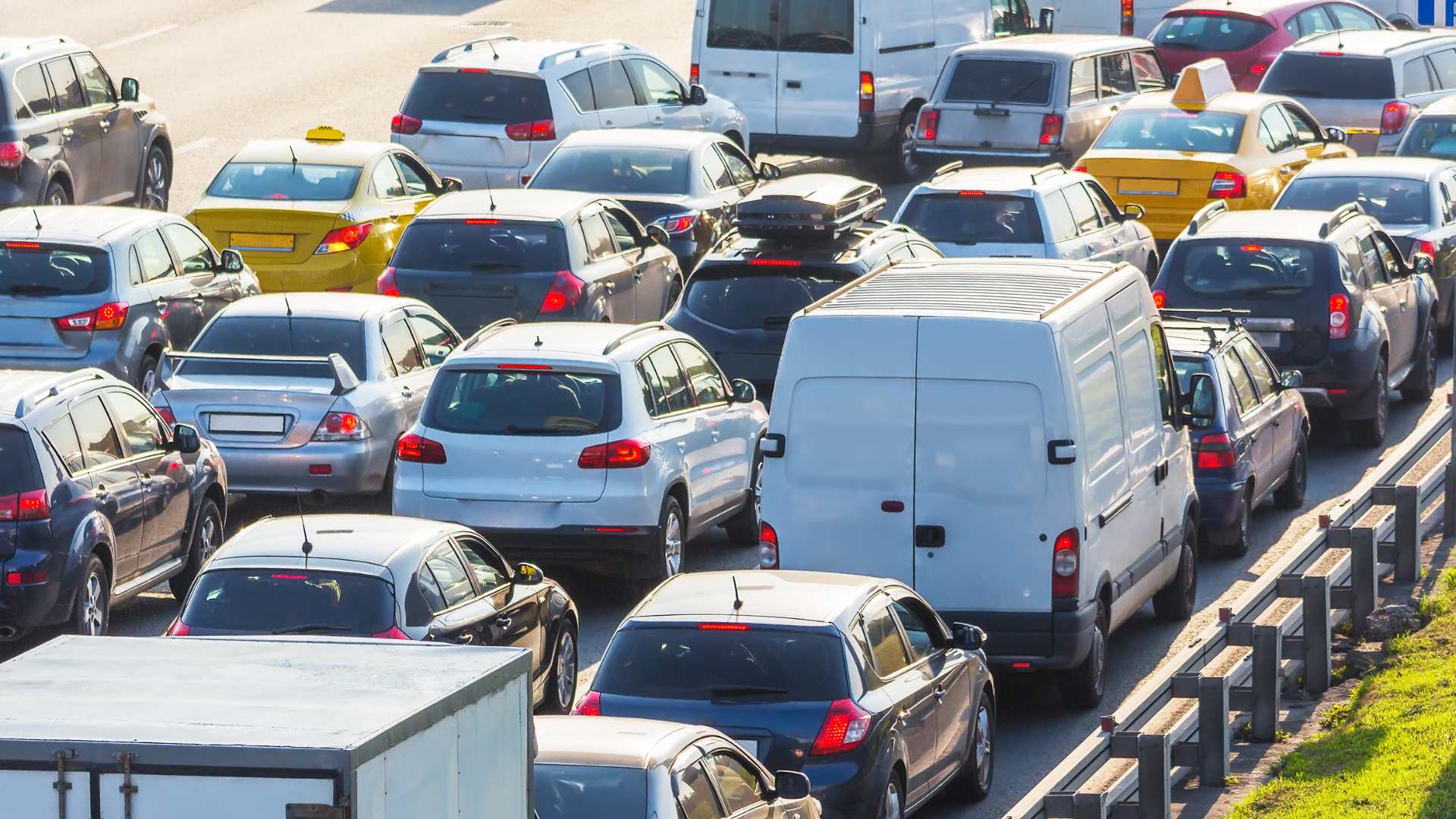
Urban logistics, encompassing the movement of people and freight within cities, has emerged as a critical but under-addressed governance challenge. Inefficient freight movement increases costs, worsens air pollution, and undermines urban liveability.
“Cities are the engines of economic growth, but without efficient infrastructure they become centres of congestion and inequality.” — World Bank, World Development Report
The governance logic is clear: urban growth without logistics planning leads to systemic inefficiencies. Ignoring this linkage risks converting cities from growth engines into bottlenecks for economic development.
2. Role of Union Budget 2026–27 in Strengthening Urban Logistics
The Union Budget 2026–27 holds strategic importance in shaping urban logistics outcomes by directing fiscal resources, incentives, and institutional reforms. Budgetary support can catalyse efficient mobility systems, reduce congestion, and crowd in private investment for urban infrastructure.
Targeted fiscal measures can accelerate adoption of digital tools for real-time monitoring of freight and passenger movement, enabling evidence-based planning and better asset utilisation.
By de-risking projects through public funding and guarantees, the Budget can make urban logistics projects bankable, particularly in warehousing, cold storage, and last-mile delivery.
“Public investment has a strong multiplier effect when it removes infrastructure bottlenecks.” — Economic Survey of India
Public finance acts as a signal and catalyst. If the Budget fails to prioritise urban logistics, fragmented planning and underinvestment will persist despite rapid urbanisation.
3. National Logistics Policy 2022 and City-Level Integration
The National Logistics Policy 2022 envisages integrated city logistics plans aligned with statutory city master plans and institutional mechanisms such as city logistics committees.
However, realising this vision requires fiscal backing and capacity building of urban local bodies. Support for logistics parks, green freight pilots, and digital monitoring tools is essential for effective implementation.
Data-driven governance through real-time freight tracking can significantly improve planning accuracy and inter-agency coordination.
“You cannot manage what you do not measure.” — Peter Drucker
Policy intent without fiscal and institutional support risks remaining aspirational. Strengthening urban local bodies is central to implementing national logistics objectives.
4. Performance-Based Incentives and Competitive Federalism
Incentivising cities through measurable performance metrics is crucial for improving urban logistics outcomes. Linking grants to results rather than proposals encourages accountability and innovation.
The Urban Challenge Fund provides a platform to institutionalise competition among cities on logistics efficiency, congestion reduction, and adoption of smart technologies.
This approach aligns with the broader shift towards outcome-based governance.
“What gets rewarded gets done.” — Public finance principle (widely cited in governance literature)
Outcome-based incentives strengthen local ownership. Without them, reforms risk becoming procedural rather than transformational.
5. Smart Freight Management and Evidence from Cities
Urban freight flows are massive and complex. A GIZ study for Delhi, based on December 2022 E-way bill data, estimated daily goods inflows of ~200,000 tonnes and outflows exceeding 250,000 tonnes.
About 40 per cent of freight arrivals comprise building material, textiles, and fruits and vegetables. Azadpur Mandi, Asia’s largest wholesale market, redistributes over 30 per cent of its produce to other states.
“Freight is the lifeblood of cities, but unmanaged freight is also one of their biggest stressors.” — OECD, Urban Transport Outlook
Without understanding commodity flows, urban infrastructure investments risk being inefficient and misdirected.
6. Urban Consolidation and Logistics Distribution Centres
Urban sprawl has engulfed wholesale markets and logistics facilities into city cores, intensifying congestion. APMC markets in Karnataka illustrate this challenge.
Peripheral urban consolidation and logistics distribution centres can reduce intra-city truck movement, emissions, and delivery inefficiencies.
“Planning for freight is as important as planning for people.” — UN-Habitat
Ignoring freight consolidation perpetuates congestion and undermines urban productivity.
7. Micro-Logistics Hubs and Role of Startups
Large logistics parks must be complemented by zonal micro-logistics hubs within cities to improve last-mile efficiency.
Promoting electric vehicles and leveraging startups for aggregation, storage, and distribution can reduce pollution while encouraging innovation and employment.
“Innovation thrives where regulation enables experimentation.” — OECD, Innovation Policy Review
Decentralised logistics enhances resilience. Without it, last-mile delivery remains a key urban bottleneck.
8. Urban Logistics Fund and Context-Specific Financing
Urban logistics challenges are highly context-specific, as seen in cities like Gangtok, Mumbai, Tirupati, and Surat.
An Urban Logistics Fund, similar to the Urban Challenge Fund, can support city-specific PPP projects and de-risk private investment.
“One-size-fits-all solutions rarely work in urban governance.” — UN-Habitat
Flexible financing frameworks acknowledge urban diversity and improve infrastructure effectiveness.
9. Optimising Public Transport Assets for Logistics
Underutilised spaces in railway stations, bus depots, and metro stations can be repurposed as mini-warehouses, improving intra-city freight efficiency.
Using public transport assets during lean periods enhances revenue generation and asset productivity.
“Better use of existing assets is often cheaper than building new ones.” — World Bank, Urban Infrastructure Reports
Asset optimisation reduces fiscal stress and accelerates logistics reform.
10. Targeted Budgetary Support and Capacity Building
The Union Budget can support urban logistics through investments in digital traffic tools, incentives for city logistics plans, infrastructure financing, and capacity building of municipal personnel.
Institutional capacity is critical for sustaining reforms beyond budget cycles.
“Institutions matter.” — Douglass North, Nobel Laureate in Economics
Without skilled institutions, infrastructure investments fail to deliver long-term governance outcomes.
Conclusion
Urban logistics sits at the crossroads of economic efficiency, environmental sustainability, and urban governance. As India urbanises rapidly, integrating logistics into urban planning—supported by fiscal incentives, data-driven tools, and institutional reforms—will be essential to convert cities into engines of inclusive and sustainable growth.

.jpeg)