Urban Centres and the Indian Economy
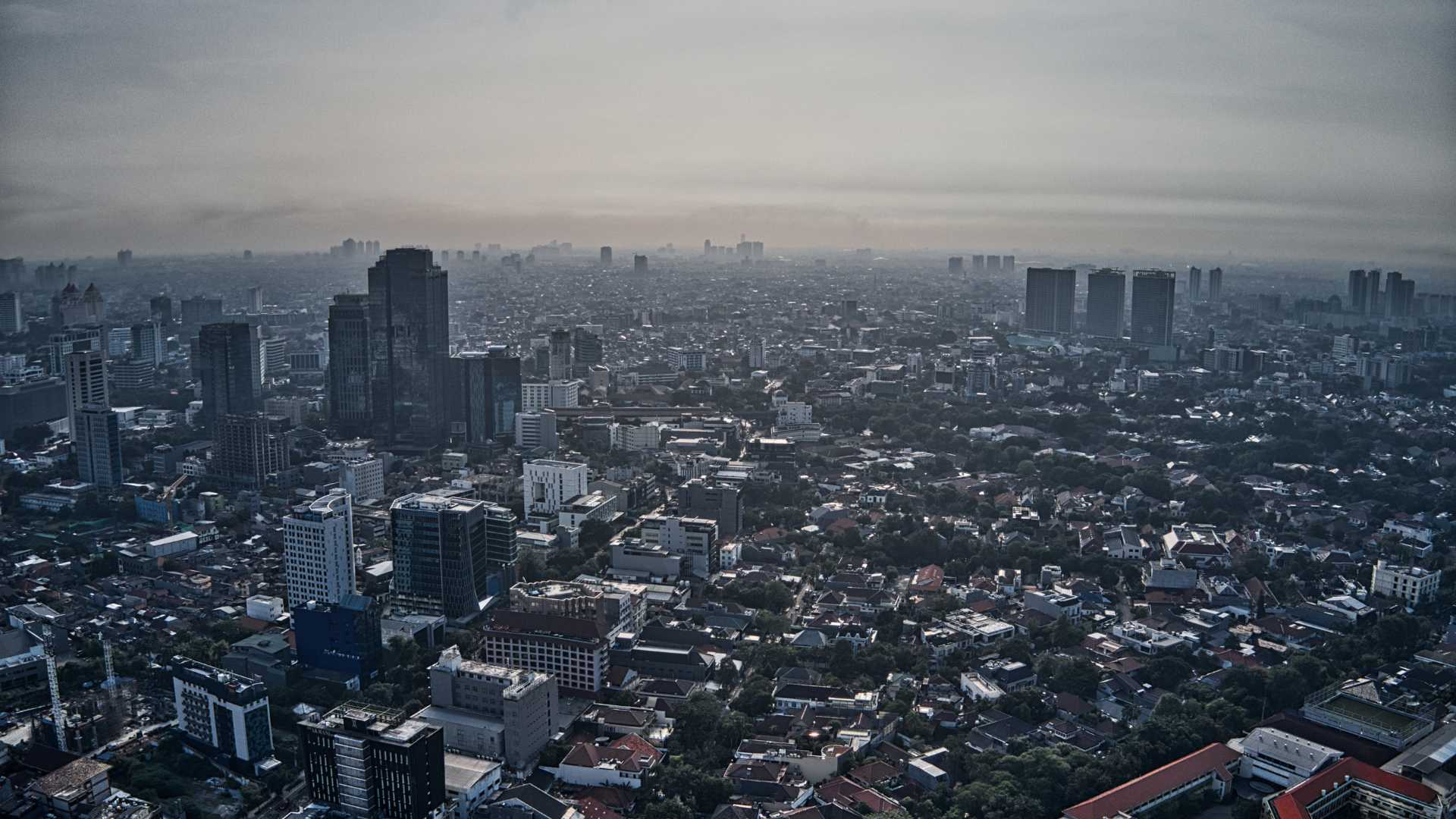
Cities have become the principal engines of economic growth and fiscal generation in India.
- Nearly 90% of total government revenue is generated from urban areas.
- About 67% of India’s GDP originates from cities and urban agglomerations.
- Urbanisation continues to expand rapidly, making cities central to economic transformation.
Despite this crucial role, financial transfers to urban local bodies (ULBs) remain modest, forcing cities to rely increasingly on their own revenue sources.
Magnitude of Transfers to Urban Local Bodies
15th Finance Commission (2021–26)
- Total transfers to ULBs: ₹1.2–1.3 lakh crore over five years.
- India’s GDP during this period: ₹200–210 lakh crore.
- Share of GDP allocated to urban bodies: around 0.12–0.13%.
16th Finance Commission (2026–31)
- Total transfers proposed: ₹3.56 lakh crore over five years.
- Annual transfers: roughly ₹75,000 crore.
- Projected GDP: ₹400 lakh crore.
Although the total allocation has increased in absolute terms, the share of GDP remains nearly unchanged at around 0.13%. This indicates that urban fiscal capacity is not expanding proportionately with economic growth.
Urban Population and Per Capita Transfers
Urban population growth further dilutes the fiscal support provided to cities.
- Urban population in 2020: around 470 million.
- Expected population during 2026–30 FC cycle: around 600 million.
- Estimated urban share of total population by 2031: about 41%.
When transfers are distributed across this rapidly expanding population base:
- Per capita fiscal transfers stagnate.
- In real terms, cities may receive less funding per resident over time.
This widens the gap between urban infrastructure needs and available financial resources.
Utilisation of Funds by Local Bodies
A major concern in urban finance is the low utilisation of allocated funds.
- Total grants to local bodies under the 15th FC: ₹4.36 lakh crore.
- Unspent or pending utilisation: ₹90,000–95,000 crore.
- Of this, ₹30,000–35,000 crore relates to urban local bodies.
This indicates that institutional capacity, administrative procedures, and project execution delays continue to affect urban governance.
Tied Grants and Fiscal Autonomy
A large share of transfers to cities comes in the form of tied grants.
Tied grants are funds that must be spent only on specified sectors, such as:
- Water supply
- Sanitation
- Wastewater management
- Other urban service delivery sectors
While such grants ensure funding for critical infrastructure, they also limit the fiscal flexibility of cities.
Urban local bodies cannot easily redirect funds to locally prioritised needs, reducing their decision-making autonomy.
Performance-Based Grants
The 16th Finance Commission has introduced a stronger emphasis on performance-linked grants.
Cities must meet several conditions before receiving funds, including:
- Maintaining fiscal discipline
- Conducting regular local body elections
- Publishing provisional and audited accounts
- Ensuring the constitution of State Finance Commissions
Additionally:
- 20% of funds are conditional, meaning cities will receive them only after fulfilling specific criteria.
A key requirement is improving Own Source Revenue (OSR).
-
Cities must generate ₹1,200 per household annually through:
- Property taxes
- User charges for services
This pushes cities toward greater financial self-reliance, but may also place pressure on local taxation systems and residents.
Federal Concerns in Urban Policy
The recommendations of the 16th Finance Commission raise certain concerns related to India’s federal structure.
Incentives for Peri-Urban Mergers
- A ₹10,000 crore incentive has been proposed.
- It is meant to encourage the merging of peri-urban villages with populations exceeding one lakh into urban areas.
However, this approach raises two major concerns:
- Urban development is constitutionally a State subject, and central incentives may influence decisions that traditionally belong to State governments.
- In States where rural local governments function effectively, such as Kerala, forced or incentivised mergers may create administrative complexities and disrupt local governance.
If even 10% of towns expand through such mergers, it could lead to uneven urban expansion driven by revenue considerations rather than planning needs.
Neglect of Climate and Fiscal Structural Issues
The 16th Finance Commission’s recommendations also show certain gaps.
Limited Focus on Climate Change
Urban areas face increasing challenges related to:
- Heat stress
- Flooding
- Infrastructure vulnerability
However, climate adaptation and resilience financing receive limited attention.
Growing Cess Revenues
Another important issue concerns cess collections by the Union government.
- Cess revenues now amount to roughly 2.2% of GDP.
- Estimated value: around ₹8.8 lakh crore.
These funds:
- Are kept outside the divisible pool, meaning they are not shared with States.
- A significant share of these revenues originates from urban economic activity.
Yet, they do not contribute to urban fiscal capacity or own-source revenues, creating an imbalance between revenue generation and resource allocation.
The Larger Question of Urban Governance
The current framework emphasises financial discipline, conditional transfers, and local revenue mobilisation. While these measures aim to strengthen accountability, they also highlight a deeper issue.
Cities generate a large share of national wealth but lack adequate fiscal autonomy and predictable financial support. A more balanced approach would allow urban local bodies to design their own development priorities, with higher levels of government acting as facilitators rather than controllers.
Strengthening cities therefore requires not only greater financial transfers, but also institutional trust and decentralised decision-making.