1. Strategic Context of the 2026 Trade Deal
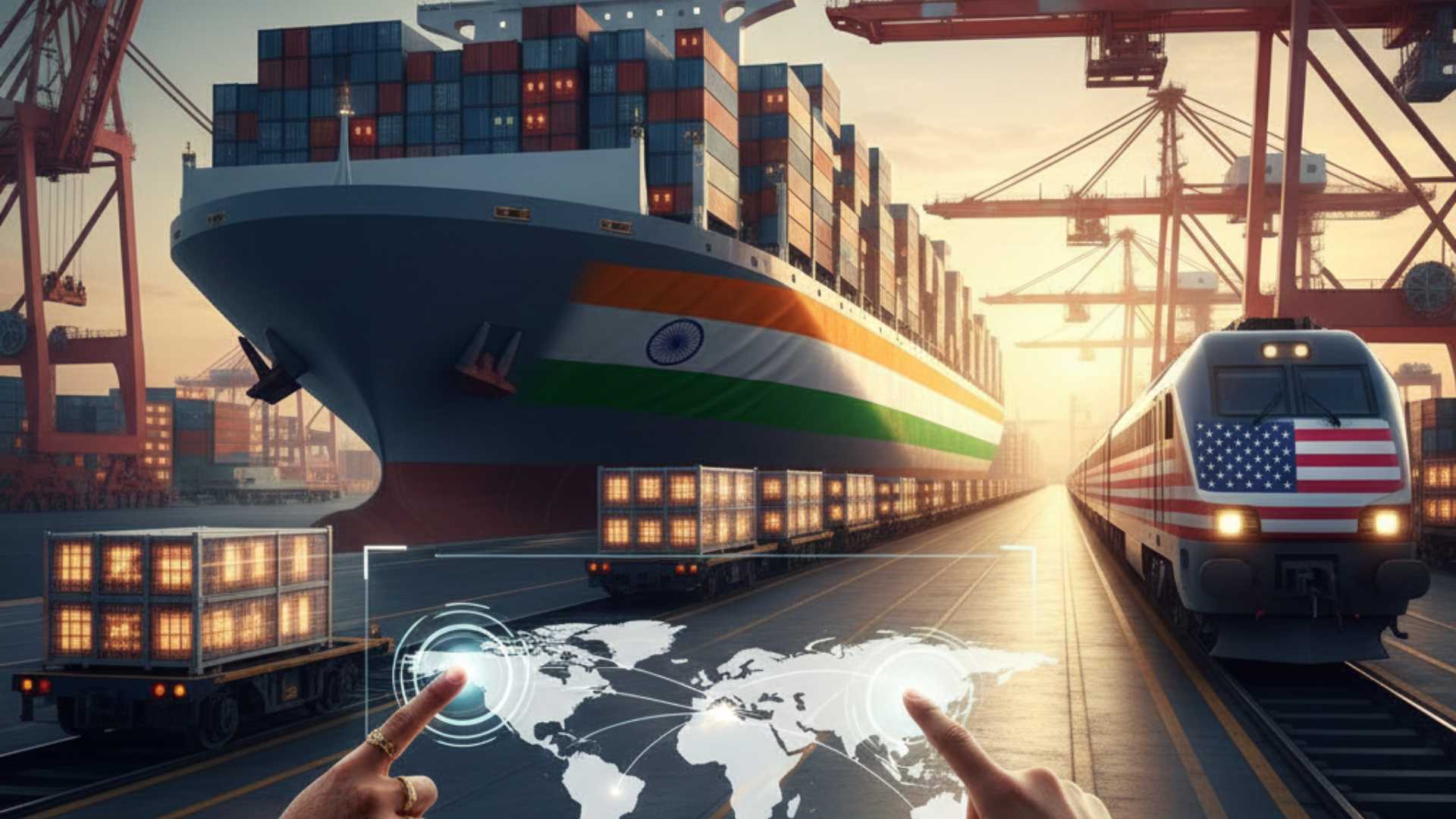
India and the United States announced a new trade deal on February 2–3, 2026, signalling a major shift after months of tariff-related tensions. The deal comes after the U.S. imposed steep duties on India—up to 50% total tariffs—which had significantly affected key Indian export sectors. For India, the agreement offers both relief from tariff shocks and an opportunity to stabilise trade relations with a major partner.
The exclusion of sensitive sectors like agriculture and dairy underscores India’s long-standing defensive posture in these areas. Political sensitivities, rural livelihood security, and market volatility make these sectors central to domestic economic stability. Negotiators, therefore, prioritised shielding these areas while conceding selectively in other domains.
The timing and announcement of the deal through social media, primarily by the U.S. President, highlight the asymmetry in narrative control. This asymmetry also questions India’s ability to shape public messaging in high-stakes trade diplomacy. If not carefully managed, it may influence perceptions of India’s bargaining strength and transparency.
Effective trade diplomacy requires balancing domestic sensitivities with external commitments. Ignoring either side risks economic disruption, political backlash, and erosion of trust in negotiation outcomes.
2. Key Tariff Commitments and Economic Significance
The U.S. agreed to reduce its 25% reciprocal tariff to 18% and to completely remove the additional 25% “penalty” tariff imposed on India for importing Russian oil. This represents significant tariff relief for several Indian export sectors that were struggling under cumulative duties.
Indian exporters in marine products, textiles, gems and jewellery, home décor, plastics, and leather had experienced severe competitiveness loss due to elevated U.S. tariffs. The rollback promises cost rebalancing, greater predictability, and restored market access for labour-intensive industries. For India, this directly aligns with employment generation, particularly in MSME-heavy sectors.
Commerce Minister Piyush Goyal stated that the deal “protects sensitive sectors” and opens “huge opportunities” across multiple export industries. The government framed the tariff rollback as a targeted intervention to enhance India’s export competitiveness without compromising strategic domestic sectors.
Tariff relief directly improves export viability. Delays or inadequate concessions can depress sectoral growth, widen trade deficits, and weaken India's position in global value chains.
Impacts:
50% cumulative U.S. tariffs earlier impacted:
- Marine products
- Textiles and apparel
- Leather and footwear
- Plastics and home décor
- Gems and jewellery
- Tariff reduction to 18% reopens access to a high-value consumer market
- Removal of additional 25% penalty tariff reduces export cost burden
- Boosts labour-intensive, MSME-driven industries
3. Domestic Political Context and Parliamentary Dynamics
The announcement of the deal was shaped by domestic parliamentary disruptions. Minister Goyal emphasised that he addressed the media rather than Parliament due to protests in the Lok Sabha led by the Opposition. This indicates a strained legislative environment where key policy disclosures are occurring outside institutional forums.
The government criticised Opposition parties (Congress, DMK, TMC, SP) for obstructing proceedings, reflecting deeper political contestation around foreign policy transparency. Such confrontations diminish parliamentary oversight over international commitments, which can hinder democratic scrutiny of trade negotiations.
The U.S. President’s unilateral claims—such as India allegedly agreeing to stop Russian oil imports or purchase more Venezuelan and U.S. oil—further complicated domestic debate. The absence of clarifications within Parliament risks misinterpretation or mistrust around India’s strategic autonomy and trade commitments.
Parliamentary oversight ensures legitimacy in trade deals. Bypassing it weakens transparency, may fuel political contestations, and can affect public trust in economic diplomacy.
4. Strategic Concessions, U.S. Assertions, and Future Commitments
The U.S. President claimed that India would buy over $500 billion worth of U.S. energy, technology, agricultural, coal, and other products. Indian government sources clarified that this commitment spans five years and largely reflects India’s intent to expand imports in areas like data centre equipment, civil nuclear technology, and advanced AI chips—rather than blanket market concessions.
The divergence in public claims suggests asymmetry in strategic communication between India and the U.S. This raises concerns regarding the framing of concessions and how quickly narratives can be shaped by external actors. Such situations underscore the importance of coordinated bilateral messaging in trade diplomacy.
India’s decision to exclude agriculture and dairy indicates that the country maintained red lines even while engaging in major concessions elsewhere. These sectors remain politically sensitive due to livelihood dependence, smallholder fragmentation, and vulnerability to global price shocks.
Unclear communication on trade commitments risks misperceptions of policy shifts, invites political critique, and can undermine India’s bargaining credibility in ongoing and future negotiations.
Possible Implications:
- Increased U.S. exports to India in high-tech sectors
- Enhanced cooperation in civil nuclear energy
- Boost to India’s digital infrastructure through imports of advanced chips
- Potential U.S. expectation of reduced Russian energy trade
5. Broader Economic and Geopolitical Implications
The deal offers India an opportunity to stabilise its U.S. market access at a time of global economic uncertainty. High-technology imports may support India’s semiconductor push, AI infrastructure, and energy transition. The U.S., in turn, gains a reliable partner for export expansion in technology and energy.
However, U.S. claims about India’s Russian oil stance highlight the geopolitical constraints shaping trade policy. India must balance strategic autonomy with market access needs. Any perceived alignment shift may influence relations with Russia, OPEC countries, and partners in the Global South.
The deal also reflects a broader recalibration of India–U.S. economic relations, which had been strained by tariffs and retaliatory measures. Rebuilding trust through mutually beneficial commitments could enhance overall strategic cooperation.
Trade agreements shape broader geopolitical alignments. Misalignment between economic commitments and geopolitical interests can create vulnerabilities and strategic friction.
Conclusion
The 2026 India–U.S. trade deal marks a significant recalibration of bilateral economic relations, providing tariff relief and opportunities for export-oriented sectors while protecting sensitive domestic areas. However, its long-term success will depend on transparent communication, careful management of geopolitical expectations, and ensuring that trade commitments align with India’s developmental priorities and strategic autonomy.