What are the key features of the India–United Kingdom Comprehensive Economic and Trade Agreement (CETA), and why is it regarded as a landmark modern free trade agreement?
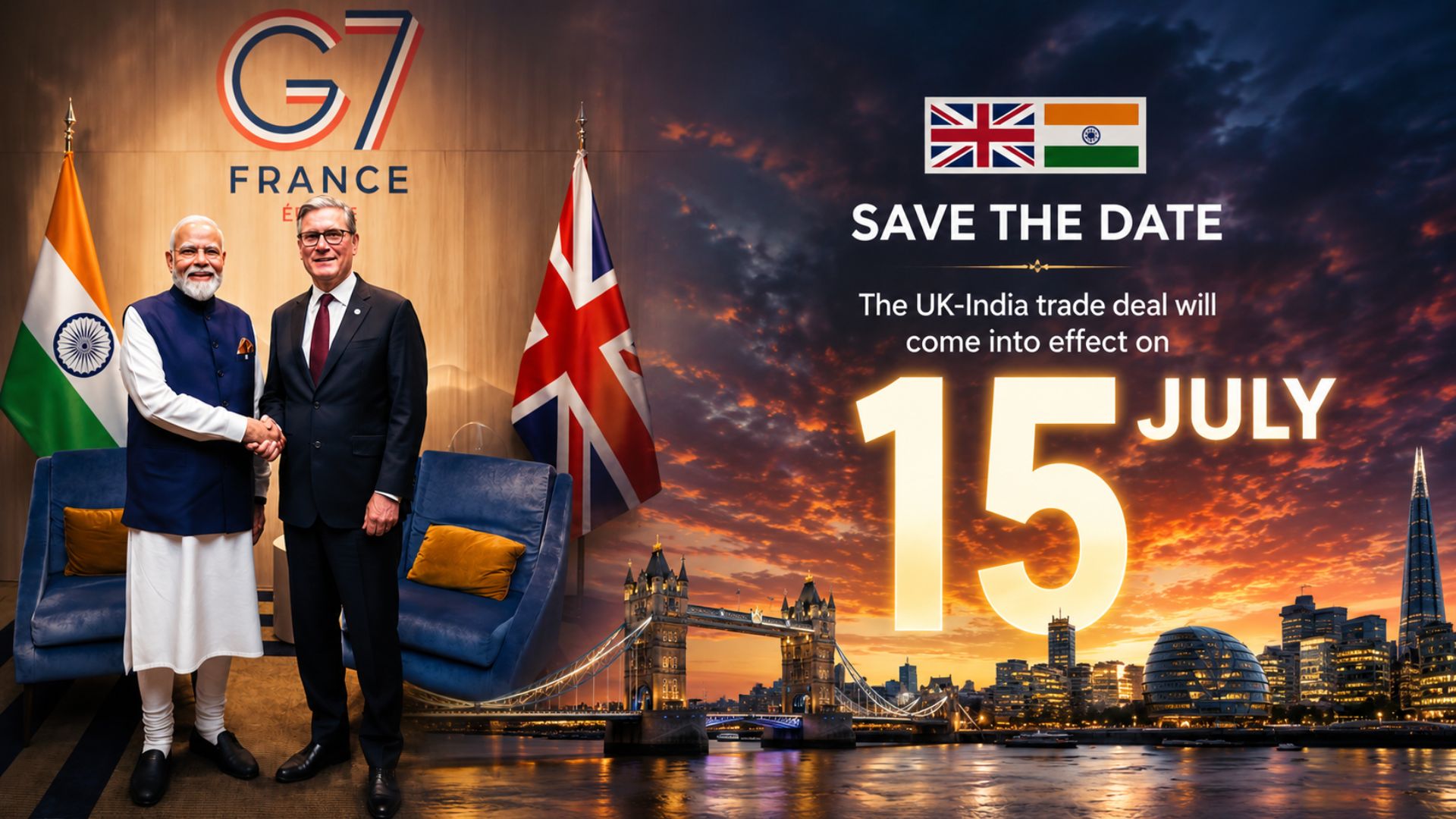
The India–United Kingdom Comprehensive Economic and Trade Agreement (CETA) is a comprehensive Free Trade Agreement (FTA) aimed at promoting trade, investment, services, innovation, and regulatory cooperation between the two countries. Negotiated over nearly three years following the U.K.'s exit from the European Union (Brexit), it represents one of India's most comprehensive trade agreements and the U.K.'s most economically significant trade deal after Brexit. Unlike traditional FTAs that focused primarily on tariff reduction, CETA covers nearly 30 chapters addressing customs procedures, digital trade, services, labour standards, environmental commitments, anti-corruption measures, gender and development, and rules of origin. Under the agreement, approximately 99% of U.K. tariff lines become duty-free for Indian products, while India reduces or removes tariffs on about 90% of tariff lines for U.K. exports. The agreement is projected to increase bilateral trade by around £25.5 billion annually in the long run, contribute approximately £5.1 billion to India's GDP and £4.8 billion to the U.K.'s GDP, while supporting employment and investment in both economies. The agreement also protects sensitive domestic sectors by retaining safeguards for products such as dairy and edible oils in India and sugar, poultry, eggs and rice in the U.K. Its significance lies in balancing liberalisation with domestic policy space while promoting sustainable and inclusive trade. For UPSC, the agreement is relevant to GS-II (Bilateral Relations), GS-III (Economy, Trade, Manufacturing, Services), International Relations, India's trade diplomacy, supply chain resilience, and India's objective of becoming a major global manufacturing and services hub under initiatives such as Make in India.
Why is the India–United Kingdom Free Trade Agreement strategically important for India's economic diplomacy, bilateral relations, and global trade ambitions?
The India–United Kingdom FTA is strategically significant because it strengthens India's position as a major participant in the evolving global trading system while deepening relations with one of its key strategic partners. Economically, the agreement expands market access for labour-intensive sectors such as textiles, leather, gems and jewellery, engineering goods, pharmaceuticals, and agricultural products, while also improving opportunities for India's globally competitive services sectors including information technology, finance, legal consultancy, education, and professional services. The agreement is expected to facilitate higher exports, attract foreign investment, generate employment, and integrate Indian firms into global value chains. From a geopolitical perspective, the agreement reflects India's strategy of diversifying economic partnerships amid rising protectionism, geopolitical uncertainty, and supply chain disruptions. It also complements India's broader FTA agenda with countries such as Australia, the UAE, and the European Free Trade Association while strengthening negotiations with the European Union. For the U.K., the agreement is an important component of its post-Brexit trade strategy and Indo-Pacific engagement. The inclusion of chapters on labour, environment, anti-corruption, gender, and digital trade demonstrates the evolution of trade agreements beyond tariff reduction toward sustainable development and responsible globalisation. The agreement also encourages cooperation in innovation, technology, education, climate-friendly growth, and investment. For UPSC aspirants, the topic is highly relevant because it links GS-II themes of bilateral relations and diplomacy with GS-III topics including economic growth, exports, manufacturing competitiveness, services trade, globalisation, and external sector reforms. It also illustrates how trade policy has become an important instrument of strategic foreign policy in the twenty-first century.
How can the India–United Kingdom Comprehensive Economic and Trade Agreement transform trade, investment, employment, and regional economic development in both countries?
The India–United Kingdom CETA has the potential to transform bilateral economic relations by reducing trade barriers, improving market certainty, encouraging investment, and expanding opportunities across manufacturing and services. Tariff reductions lower production costs, making exports more competitive and benefiting consumers through lower prices and greater product variety. Simplified customs procedures reduce transaction costs and improve the ease of doing business, especially for small and medium enterprises that often face disproportionate compliance burdens. The agreement is expected to strengthen India's exports in labour-intensive industries such as textiles, leather, apparel, gems and jewellery, while providing greater access for professional services, information technology, and financial services. On the investment front, greater predictability and improved regulatory cooperation can encourage businesses to establish production facilities, research centres, and innovation partnerships. The agreement is particularly significant because it extends benefits beyond metropolitan centres. Manufacturers in cities such as Indore, Coimbatore, Surat, Ludhiana, and Tiruppur can integrate more effectively into international supply chains, while firms in the U.K.'s industrial regions gain improved access to India's expanding market. Enhanced cooperation in aerospace, medical devices, advanced manufacturing, digital trade, and green technologies further supports long-term industrial competitiveness. The agreement also encourages knowledge transfer, technology collaboration, and skill development. However, realising these benefits requires domestic reforms including improved logistics, infrastructure, standards compliance, export financing, skilling, and awareness among MSMEs regarding rules of origin and market opportunities. From the UPSC perspective, the agreement demonstrates the relationship between international trade policy, employment generation, regional development, industrial policy, MSME competitiveness, and India's long-term vision of becoming a globally integrated economy.
Critically analyse whether modern free trade agreements such as the India–United Kingdom CETA can balance economic liberalisation with protection of domestic interests and sustainable development.
Modern free trade agreements seek to promote economic efficiency while recognising that unrestricted liberalisation may adversely affect vulnerable sectors. The India–United Kingdom CETA attempts to achieve this balance through calibrated tariff reductions, sector-specific safeguards, and commitments extending beyond trade in goods. One of its strengths is that it preserves policy space by protecting sensitive products such as dairy and edible oils in India while allowing the U.K. to safeguard sectors including sugar, poultry, eggs, and rice. This demonstrates that contemporary FTAs increasingly accommodate domestic political and economic realities. Another positive aspect is the inclusion of chapters on labour standards, environmental protection, anti-corruption, gender, and development, reflecting the growing emphasis on sustainable and inclusive growth. Improved customs procedures and digital trade provisions also benefit MSMEs by reducing administrative costs and increasing market access. Nevertheless, challenges remain. Greater foreign competition could affect industries lacking productivity or technological competitiveness. Compliance with international standards, intellectual property requirements, and sustainability norms may impose additional costs on smaller exporters. Critics also argue that unequal bargaining capacities between developed and developing economies may influence long-term outcomes if domestic preparedness is inadequate. Furthermore, tariff concessions alone cannot guarantee export success without improvements in logistics, infrastructure, quality certification, innovation, and skill development. Therefore, the effectiveness of an FTA depends on complementary domestic reforms rather than market access alone. The India–U.K. agreement illustrates that trade liberalisation should be accompanied by industrial policy, social protection, capacity building, and institutional strengthening. For UPSC, this topic is important because it encourages balanced analysis covering the advantages and limitations of globalisation, the intersection of trade and development, and the need to reconcile economic growth with equity, sustainability, and national interest.
What practical examples illustrate how different sectors, businesses, and regions in India are likely to benefit from the India–United Kingdom Free Trade Agreement?
The practical impact of the India–United Kingdom FTA can be understood by examining sector-specific examples across manufacturing, services, agriculture, and innovation. Labour-intensive industries such as textiles and garments are expected to benefit substantially because reduced tariffs improve price competitiveness in the U.K. market. Textile clusters in Tiruppur, Surat, Ludhiana, and Indore may witness higher exports, increased production, and greater employment opportunities, particularly for women workers. The gems and jewellery sector, already an important contributor to India's exports, could gain from easier market access and lower trade costs. India's globally competitive information technology and financial services industries are expected to benefit from greater certainty in market access, facilitating cross-border business operations and professional mobility. Pharmaceutical manufacturers and medical device producers may also benefit from streamlined customs procedures and stronger regulatory cooperation. On the U.K. side, industries such as aerospace, premium automobiles, medical technologies, and beverages, including Scotch whisky, are likely to experience improved access to India's expanding consumer market. The agreement is equally significant for MSMEs because simplified customs procedures, digital documentation, and reduced non-tariff barriers lower compliance costs that often discourage smaller exporters. A manufacturer producing auto components in Birmingham or a textile exporter based in Indore can participate more effectively in bilateral trade under transparent rules. These examples illustrate that the agreement extends beyond metropolitan centres and encourages balanced regional development through integration into global supply chains. For UPSC, such case-based understanding is valuable in interviews because it connects abstract trade policy with employment generation, industrial clusters, MSME competitiveness, export diversification, and regional economic development under GS-III and GS-II.
How does the India–United Kingdom Comprehensive Economic and Trade Agreement serve as a case study for the evolution of twenty-first century trade agreements and India's external economic strategy?
The India–United Kingdom CETA serves as an important case study because it reflects the transformation of trade agreements from narrow tariff-focused arrangements into comprehensive economic partnerships encompassing investment, services, technology, governance, and sustainability. Historically, first-generation FTAs concentrated mainly on reducing customs duties. Contemporary agreements, however, increasingly address digital trade, regulatory cooperation, labour standards, environmental commitments, intellectual property, anti-corruption frameworks, gender inclusion, and resilient supply chains. The India–U.K. agreement exemplifies this shift by incorporating dedicated chapters on many of these emerging issues while simultaneously protecting sensitive domestic sectors. It also reflects changing geopolitical realities. For the U.K., the agreement supports its post-Brexit strategy of strengthening economic engagement with fast-growing Indo-Pacific economies. For India, it demonstrates a pragmatic approach toward expanding trade partnerships with advanced economies while pursuing the objectives of Atmanirbhar Bharat, Make in India, and integration into global value chains. The projected increase of £25.5 billion in bilateral trade annually and positive GDP impacts for both countries illustrate the potential economic gains from mutually beneficial trade liberalisation. At the same time, the agreement underscores that successful implementation depends upon complementary domestic reforms including infrastructure improvement, export competitiveness, skilling, standards compliance, logistics efficiency, and awareness among businesses regarding preferential market access. It therefore offers valuable lessons on balancing national interests with international economic integration. For UPSC preparation, this case study connects International Relations, economic diplomacy, globalisation, WTO-related debates, sustainable development, and India's long-term aspiration of becoming the world's third-largest economy while maintaining strategic autonomy and inclusive economic growth.
 Dhinesh Balasubramanian
