INTRODUCTION
- Sexuality, intimacy, and mental health are deeply interconnected yet remain highly stigmatised globally and in India.
- WHO highlights that lack of bodily autonomy and safe, consensual relationships leads to “immense suffering”.
- India reports rising student suicides (over 13,000 student suicides annually – NCRB 2022), with discrimination based on gender and sexuality as contributing factors.
- The Supreme Court (2024–25) has emphasised comprehensive sexuality education (CSE) and inclusive mental health frameworks.
BACKGROUND AND CONTEXT
- Traditional education systems treat sexuality as a biomedical issue, ignoring emotional, social, and psychological dimensions.
- Indian academia remains heteronormative and cisgender-centric, marginalising LGBTQ+ experiences.
- Global discourse (WHO, UNESCO) recognises sexuality education as essential for well-being, dignity, and equality.
KEY CONCEPTS
Sexuality and Intimacy
- Encompasses identity, orientation, relationships, consent, and pleasure.
- Goes beyond reproduction to include emotional and social well-being.
Mental Health Linkages
- Stigma around sexuality leads to anxiety, depression, and social isolation.
- Lack of safe spaces inhibits self-expression and help-seeking behaviour.
Comprehensive Sexuality Education (CSE)
- UNESCO defines CSE as age-appropriate, culturally relevant, scientifically accurate education on sexuality.
- Includes consent, gender equality, diversity, and rights-based approaches.
KEY ISSUES AND CHALLENGES
Institutional and Academic Gaps
- Minimal courses on sexuality and intimacy in higher education.
- Focus limited to sexual dysfunctions, ignoring consent, pleasure, and diversity.
- Lack of culturally competent mental health professionals.
Social Stigma and Silence
- Deep-rooted taboos around discussing sex and relationships.
- Fear, shame, and moral policing inhibit open dialogue.
Marginalisation of LGBTQ+ Communities
- Structural violence and discrimination in campuses.
- Inadequate counselling support for sexual minorities.
Mental Health Crisis Among Youth
- Academic pressure + identity conflicts + social stigma = rising distress.
- Student suicides linked to bullying, discrimination, and exclusion.
IMPACT OF CURRENT APPROACH
| Dimension | Current Approach | Consequences |
|---|---|---|
| Education | Biomedical, heteronormative | Lack of awareness and inclusivity |
| Mental Health | Reactive (counselling only) | Ignores structural causes |
| Campus Culture | Silence and taboo | Fear, alienation |
| Policy | Fragmented interventions | Limited long-term impact |
CASE STUDIES / EXAMPLES
India
- Supreme Court (2025): Recognised gender and sexual orientation-based discrimination in student suicides.
- Push for transgender-inclusive CSE in school curricula.
Germany (University of Münster)
- Workshops on sexuality revealed student discomfort and lack of safe discussion spaces, even in liberal contexts.
- Highlights universal challenge of integrating intimacy into academia.
NEED FOR INCLUSIVE EDUCATIONAL SPACES
Pedagogical Reforms
- Use of interactive methods: icebreakers, small-group discussions.
- Encourage reflection through questions like “What does intimacy mean to you?”.
Curriculum Reforms
- Integrate gender diversity, consent, sexual rights, and emotional well-being.
- Move beyond pathology-based teaching.
Institutional Culture
- Build safe, non-judgmental spaces.
- Promote allyship and peer support systems.
POLICY AND GOVERNANCE DIMENSIONS
Legal and Judicial Interventions
- Supreme Court advocating inclusive education and mental health frameworks.
Public Health Approach
- WHO: Sexual health is integral to overall health and human rights.
Education Policy Linkages
- NEP 2020 emphasises holistic and multidisciplinary education, providing scope for inclusion of sexuality discourse.
WAY FORWARD
- Shift from biomedical to rights-based and holistic approach.
- Institutionalise Comprehensive Sexuality Education (CSE) across schools and universities.
- Train mental health professionals in cultural and structural competence.
- Create continuous dialogue platforms, not one-off workshops.
- Address structural discrimination through anti-discrimination policies and grievance redressal mechanisms.
CONCLUSION
- Addressing sexuality and intimacy in education is not merely a social issue but a public health and governance priority.
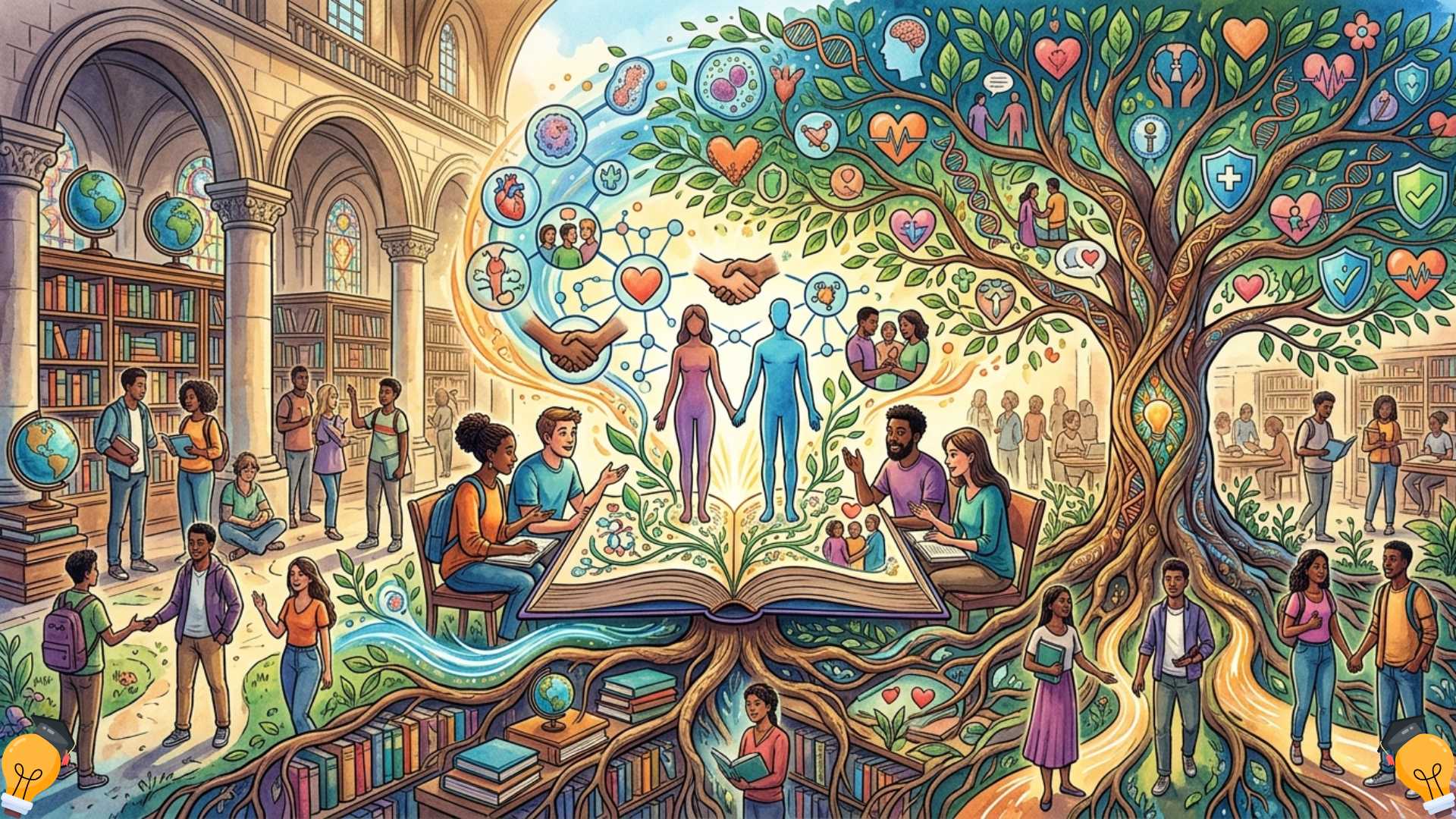
- Inclusive, empathetic, and dialogue-driven educational spaces can significantly improve mental health outcomes and social cohesion.
- A shift towards rights-based, inclusive, and holistic education systems is essential to build an equitable and just society.
UPSC MAINS QUESTION (15 MARKS)
- “Sexuality education and mental health are intrinsically linked but remain neglected in India’s higher education system.” Examine the challenges and suggest reforms to create inclusive and supportive academic spaces.