
1. Swachh Bharat Mission (SBM) – Background and Achievements
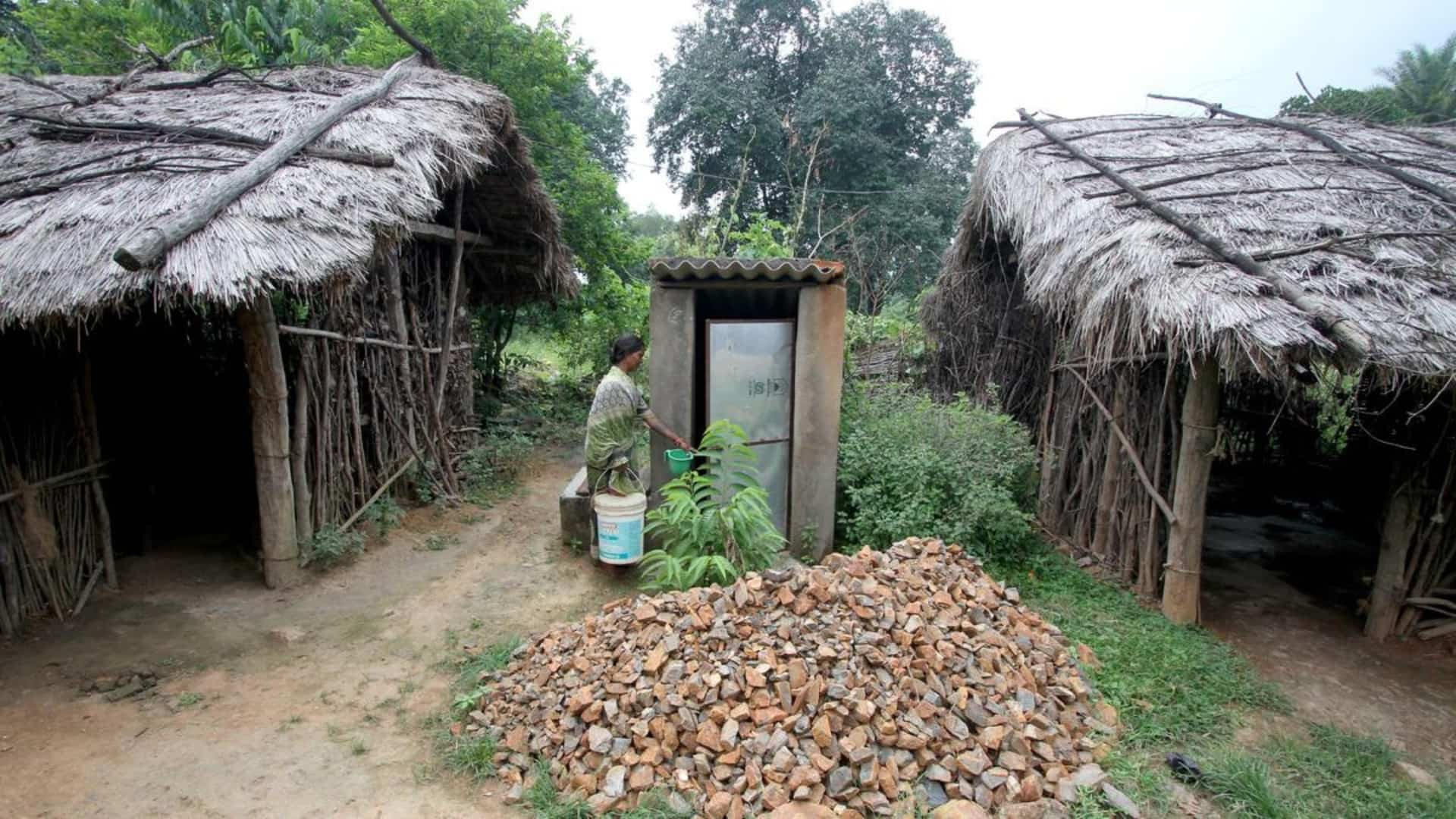
The Swachh Bharat Mission (SBM), launched in 2014, aimed to provide universal access to toilets across India. Its primary objective was to eliminate open defecation by constructing household toilets in rural areas. Over the last decade, the programme has achieved significant milestones, with more than 12 crore toilets constructed and every village in India declared Open Defecation Free (ODF). This has contributed to improved public health, enhanced dignity for women and vulnerable populations, and marked a significant milestone in India’s socio-economic development journey.
The campaign not only addressed sanitation infrastructure gaps but also triggered behavioural change at the household and community levels. By institutionalising monitoring mechanisms and incentivising compliance, SBM has transformed sanitation from a peripheral concern into a central public health agenda.
The logic behind SBM’s focus on toilet construction is that access alone catalyses broader social and health outcomes. Neglecting sanitation infrastructure undermines public health gains, perpetuates social inequities, and limits the effectiveness of rural development interventions.
- Key Achievements:
- 12 crore rural household toilets constructed
- 100% villages declared ODF
2. Transition to SBM Phase II: Focus on Faecal Waste Management (ODF Plus)
While SBM Phase I focused on toilet construction, the sustainability of sanitation outcomes depends on effective faecal waste management. Rural households primarily rely on septic tanks and pits for containment, which fill over time and require regular desludging. Without structured systems for collection, transport, and treatment of faecal sludge, the health, environmental, and social benefits of ODF status risk erosion.
SBM (Grameen) Phase II, or ODF Plus, expands the focus to include solid and liquid waste management, behavioural change, and safe sanitation service chains. As of October 2025, nearly 5.68 lakh villages (97%) have achieved ODF Plus status, highlighting progress while exposing gaps in rural faecal sludge treatment infrastructure.
Prioritising waste management ensures that sanitation gains are durable. Ignoring this phase could reverse health outcomes, create environmental hazards, and reduce community trust in public initiatives.
- Key Data:
- 97% of villages declared ODF Plus
- Critical challenge: insufficient faecal sludge management in peri-urban and rural areas
3. Innovative Approaches: Urban-Rural Partnerships in Maharashtra
Maharashtra has emerged as a model state for faecal sludge management, integrating urban treatment facilities with rural sanitation needs. Over 200 faecal sludge treatment plants (FSTPs) and co-treatment arrangements in 41 sewage treatment plants form the backbone of urban sanitation infrastructure. Extending these benefits to nearby villages demonstrates the potential of urban-rural linkages.
In Satara district, four villages—Jakatwadi, Songaon, Kodoli, and Degaon—have entered formal arrangements to access the city’s FSTP with a capacity of 65 kilo litres/day (KLD). Scheduled desludging every five years will be provided through private operators, funded via a sanitation tax collected by gram panchayats. Agreements between urban and rural local bodies ensure authorised vehicles can safely dispose of sludge at no cost, maintaining both affordability and sustainability.
Urban-rural collaborations exemplify governance logic: shared infrastructure reduces duplication, optimises resources, and ensures safe sanitation outcomes. Ignoring these linkages may leave villages dependent on informal, unsafe desludging practices.
- Key Mechanism:
- Scheduled desludging every 5 years
- Cost recovery through sanitation tax
- Access to urban FSTPs under formal agreements
4. Standalone Rural Faecal Sludge Management
Not all villages can rely on nearby urban facilities. For such cases, standalone rural treatment systems are required. Mayani village in Khatav taluka provides an example, where high desludging demand led to the introduction of scheduled desludging every five to seven years, managed by private operators or local self-help groups. Additionally, the village is selected for a cluster-level FSTP under SBM-G, designed to serve approximately 80 surrounding villages.
This demonstrates a scalable, financially viable model where rural clusters pool resources for sustainable treatment infrastructure. It balances technical feasibility with local governance capacity and financial sustainability, providing a template for replication in other regions.
Standalone rural FSTPs highlight the importance of decentralised planning. Failure to implement such systems risks environmental contamination, public health deterioration, and reversal of ODF gains.
- Key Features:
- Scheduled desludging every 5–7 years
- Cluster-level FSTP serving ~80 villages
- Managed by private operators or self-help groups
5. Policy Implications and Governance Lessons
Sustaining sanitation gains requires coordinated action between multiple stakeholders: urban and rural local bodies, private operators, public institutions, and citizens. Maharashtra’s example demonstrates that combining shared urban infrastructure with cluster-level rural solutions ensures efficiency, cost-effectiveness, and environmental safety.
Integration of faecal sludge management into rural sanitation underscores the principle that access to toilets alone does not guarantee public health outcomes. Policy frameworks must incentivise behavioural compliance, scheduled desludging, and formalised service provision to maintain ODF status sustainably.
Effective governance in sanitation entails planning beyond immediate infrastructure, integrating financial, technical, and social mechanisms. Neglecting systemic waste management risks undoing a decade of developmental progress.
- Governance Lessons:
- Urban-rural partnerships optimise resource utilisation
- Cluster-level solutions ensure decentralised sustainability
- Financially viable models maintain affordability and service continuity
6. Conclusion: Towards Sustainable Rural Sanitation
Sustaining Swachh Bharat’s achievements depends on creating resilient systems for faecal sludge management. Models combining urban-rural partnerships and standalone rural infrastructure, if scaled nationally, can transform rural sanitation while safeguarding public health, environmental integrity, and social dignity. The mission’s success will ultimately be measured not by toilet counts, but by functional, safe, and sustainable sanitation ecosystems that endure across generations.
"Sanitation is more important than independence." — Mahatma Gandhi
7. Total Key Data for Revision
- 12 crore rural household toilets built
- 5.68 lakh (97%) villages declared ODF Plus (Oct 2025)
- 200+ FSTPs in Maharashtra, 41 STPs for co-treatment
- Scheduled desludging: 5–7 years
- Cluster-level FSTP coverage: ~80 villages
