
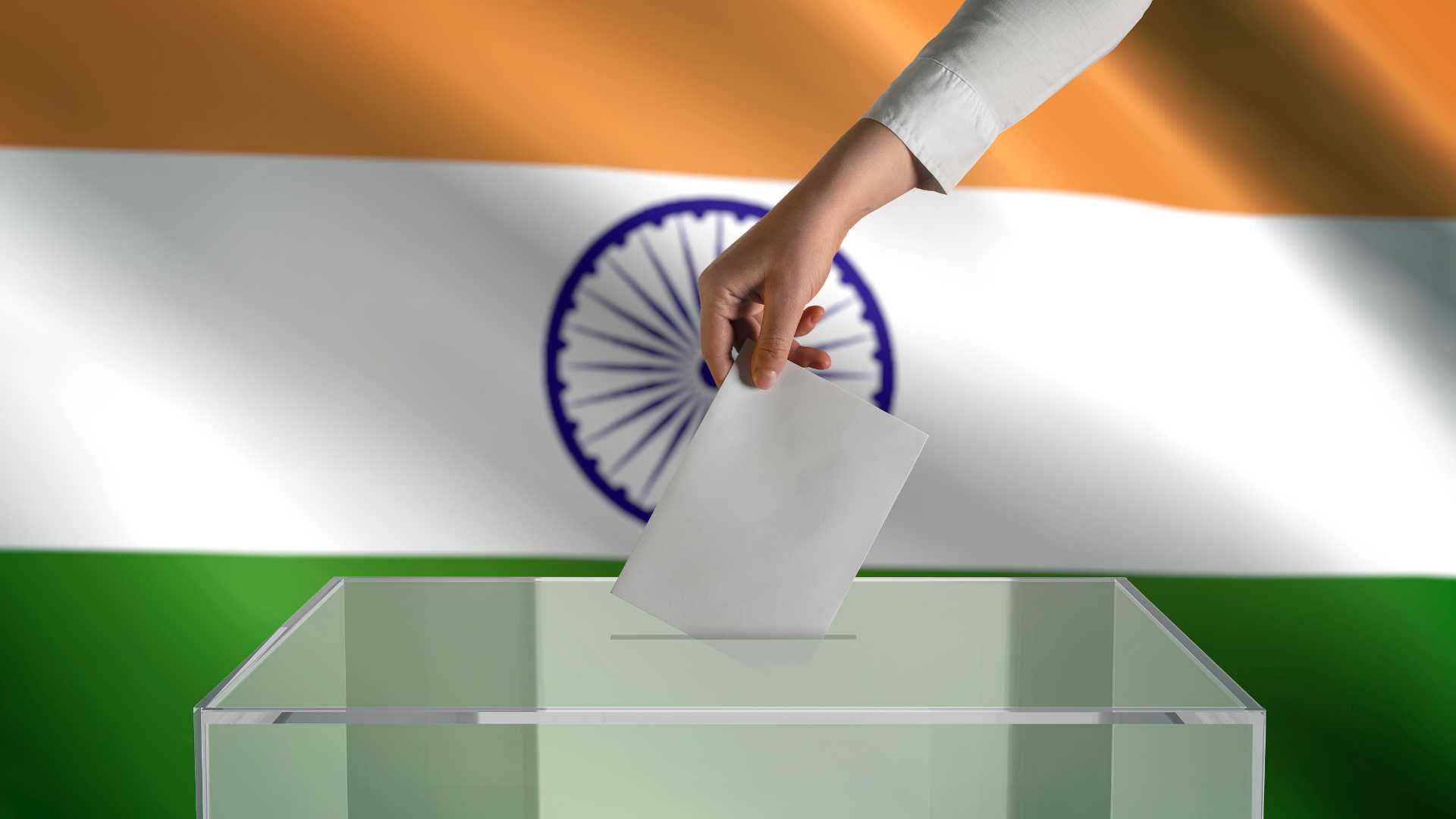
Delimitation After 2027: Redrawing Political Power in India

Exploring the importance and potential pitfalls of delimitation in redefining India's electoral map and federalism.
GopiGopi
5 mins read
Delimitation after Census 2027
Not Started

1. Delimitation as a Constitutional Mechanism

Delimitation is the constitutional process of redrawing electoral constituencies and reallocating seats to reflect population changes. It operationalises the democratic principle of “one person, one vote, one value” by aligning representation with demographic realities.

The Constitution envisaged delimitation after every Census to ensure political equality. However, this routine adjustment has profound governance implications, as it determines how political power is spatially distributed among States and regions.

Ignoring timely delimitation undermines electoral equity and democratic legitimacy. At the same time, poorly designed delimitation risks destabilising federal balance and long-settled political understandings.

Delimitation is not merely a technical exercise; it is a constitutional bridge between demography and democracy. If misaligned, it can weaken both representation and trust in institutions.


2. The Historical Freeze on Seat Redistribution

Inter-State distribution of Lok Sabha seats has remained frozen since 1976, based on 1971 Census data. This was done to ensure that States implementing population control measures were not politically penalised.

The 84th Constitutional Amendment Act, 2001 extended this freeze until “the first Census taken after the year 2026”. As a result, present representation reflects an India of 548 million people, not today’s ~1.47 billion.

This freeze preserved political stability and incentivised population control. However, prolonged suspension has created a growing gap between demographic reality and constitutional representation.

The freeze balanced governance incentives and equity for decades, but its continuation now strains the constitutional principle of equal suffrage.


3. Why Census 2027 Makes the Next Delimitation Exceptional

The delimitation due after Census 2027 will be the first since 1976 to reallocate seats among States. Previous Commissions (2002–08) only redrew internal boundaries without changing State-wise seat strength.

This exercise will also involve:

  • Complete redrawing of all constituencies
  • Creation of reserved constituencies for 33% women’s reservation
  • Reassessment of SC/ST reserved seats based strictly on population proportion

Past Commissions took 3–5.5 years. Even if Census data is released by 2028, delimitation is unlikely before 2031–32, delaying women’s reservation until at least the 2034 elections.

The scale and simultaneity of tasks make this delimitation structurally transformative, not incremental.


4. Demographic Divergence and the Representation Paradox

In the 1970s, fertility rates across States were broadly similar. Today, sharp divergence exists. Southern and western States achieved below-replacement fertility through investments in education, health, and women’s empowerment, while northern States continue to grow faster.

If representation is based purely on population, States with successful governance outcomes lose relative political weight, while high-growth States gain disproportionately. This creates a moral and policy paradox.

The logic behind the 1976 and 2001 freezes—avoiding punishment for population control—remains relevant. Ignoring this risks disincentivising long-term social investments.

Population-based redistribution without adjustment can convert governance success into political disadvantage.


5. Projected Seat Redistribution and Its Implications

Population-based projections assume an expanded Lok Sabha of about 888 seats.

Statistics:

  • Uttar Pradesh: 80 → 151 seats
  • Bihar: 40 → 82 seats
  • Combined share of UP + Bihar: ~26% of Lok Sabha
  • Tamil Nadu: 39 → 53 seats (share falls 7.2% → 6.0%)
  • Kerala: 20 → 23 seats (share falls 3.7% → 2.6%)

Even if no southern State loses absolute seats, their relative influence declines. Parliamentary power functions on absolute numbers, not proportions.

“Not even one seat will be reduced.” — Amit Shah (2025)

This assurance does not address the structural imbalance created when a few States gain overwhelming numerical dominance.

The arithmetic of representation directly reshapes coalition politics and bargaining power within Parliament.


6. Federalism, Equality and Constitutional Tension

Extending the freeze preserves federal balance but risks violating Article 14, as representation based on 50-year-old data undermines electoral equality. Conversely, strict population-based redistribution weakens federal trust.

The tension lies between:

  • Democratic equality (population-based representation)
  • Federal equity (protecting States that delivered governance outcomes)

Failure to manage this tension may deepen regional distrust and politicise constitutional processes.

Delimitation is where democracy’s arithmetic intersects with federalism’s ethics.


7. Policy Options Under Debate

Reforms / Approaches:

  • Extend the freeze until fertility rates converge, risking legal challenge.
  • Expand Lok Sabha to 750–888 seats without reducing any State’s seats.
  • Adopt a weighted formula (e.g., 70–80% population, 20–30% development indicators) similar to Finance Commission methods. Strengthen the Rajya Sabha as a federal chamber by:
    • Restoring domicile requirements
    • Redesigning seat allocation with equal or tiered State representation.
  • Bifurcate Uttar Pradesh into 3–4 States to reduce excessive concentration.
  • Implement phased redistribution across two election cycles (2034, 2039).

Each option balances constitutional mandates with political stability differently.

The choice of formula will determine whether delimitation is perceived as fair reform or imposed arithmetic.


8. Procedural Integrity and Institutional Design

Beyond formulas, the legitimacy of delimitation depends on process. The Commission must include experts in demography, constitutional law, and federal studies, along with meaningful State representation.

Transparency, public hearings, and oversight are essential, especially in:

  • Redrawing constituency boundaries
  • Locating SC/ST reserved constituencies, where discretion exists

Weak procedure risks allegations of manipulation and erosion of trust.

Process legitimacy is as critical as numerical correctness in democratic restructuring.


Conclusion

Delimitation after Census 2027 will redefine India’s representative democracy for decades. Managed with transparency, balance, and institutional sensitivity, it can modernise representation while preserving federal trust. Mishandled, it risks deepening regional divides and weakening constitutional legitimacy. The window for consensus-building lies before Census data hardens political positions, making early dialogue essential for long-term governance stability.


Quick Q&A

Everything you need to know

Definition and Purpose: Delimitation is the process of redrawing the boundaries of electoral constituencies to reflect changes in population. In India, it ensures that each elected representative represents roughly an equal number of constituents, thereby maintaining the principle of one person, one vote.

Constitutional Mandate: The Constitution requires periodic delimitation after every Census. Articles 82 and 170 empower the Parliament and State legislatures to enact delimitation based on population data. However, this process has been suspended since 1976 under the 42nd and 84th Amendments to prevent penalising States that successfully controlled population growth. The next exercise, following Census 2027, will reallocate seats for the first time since 1976, making it historically significant.

Significance: Delimitation is critical for ensuring fair representation, maintaining the balance between federalism and democracy, and creating reserved constituencies for SC/ST populations and women’s 33% quota. It directly impacts the political weight of States and shapes coalition dynamics in the Lok Sabha.

Redefining Political Power: The upcoming delimitation will be the first to reallocate Lok Sabha seats among States since 1976. Population growth has diverged sharply across States, with northern States like Uttar Pradesh and Bihar growing faster, while southern States such as Tamil Nadu and Kerala have lower fertility rates. Pure population-based delimitation could dramatically increase northern States' share in the Lok Sabha, altering the balance of political power.

Impact on Federalism: States that successfully implemented population control may lose proportional influence, raising a moral paradox. Southern States that historically invested in education, health, and women’s empowerment risk losing bargaining power even if their seat numbers remain unchanged. This will influence coalition politics, regional representation, and legislative priorities at the national level.

Long-Term Consequences: Beyond seat numbers, delimitation affects reserved constituencies for SC/ST populations, women's quota, and internal constituency boundaries. Done correctly, it modernises representation and reaffirms faith in federalism; done poorly, it can deepen distrust among States and undermine the democratic ethos.

Population Disparities: Fertility rates have diverged significantly across India. Southern and western States achieved below-replacement fertility through sustained investments in education, health, and women’s empowerment, while northern States like Uttar Pradesh and Bihar continue to have higher population growth.

Implications for Representation: If delimitation is purely population-based, northern States would gain disproportionate representation. Projections suggest Uttar Pradesh could rise from 80 to 151 seats and Bihar from 40 to 82 in an expanded Lok Sabha of approximately 888 members, while Tamil Nadu and Kerala would see their share decline relative to the total.

Policy Dilemma: Rewarding high population growth contradicts past incentives for population control, creating a governance paradox. Balancing fairness, federalism, and political stability will require careful consideration of weighted formulas or seat expansions to prevent penalising States that managed population effectively.

Option 1 – Extend Freeze: Continuing the freeze preserves current balances, but denies fast-growing States fair representation and could face legal challenges under Article 14 due to unequal suffrage.

Option 2 – Expand Lok Sabha: Increasing seats to 750–888 allows all States to retain or gain seats, though northern States still dominate proportionally, leaving southern concerns unresolved.

Option 3 – Weighted Formula: Assigning 70–80% weight to population and 20–30% to development indicators such as literacy, health, or fertility control rewards governance achievements. This aligns incentives with performance, but requires robust data and consensus.

Option 4 – Strengthen Rajya Sabha: Restoring domicile-based representation or adopting a tiered model balances federal representation against population dominance.

Option 5 – Bifurcate Large States: Dividing Uttar Pradesh could neutralise its excessive weight, but politically sensitive.

Option 6 – Phased Redistribution: Implementing redistribution over multiple elections reduces political shock, allowing States and parties to adjust gradually.

Timing Constraints: The 33% women’s reservation cannot be implemented until delimitation is complete. With Census 2027 data expected in 2028 and delimitation likely taking 3–5 years, implementation may only occur in the 2034 elections.

Boundary Redrawing: Creating reserved constituencies for women requires recalculating population, administrative boundaries, and SC/ST allocations. The Commission must ensure fairness without disrupting proportional representation, which adds complexity.

Risk of Manipulation: Decisions about which constituencies are reserved could be politically contested. Transparency, extensive public hearings, and adherence to legal principles are essential to prevent accusations of gerrymandering or undermining the democratic mandate.

Federal Balance: Northern States gaining disproportionate Lok Sabha strength may dominate national coalitions. Southern and smaller States could see reduced bargaining power in Parliament.

Political Dynamics: Regional parties that historically balanced national politics could lose leverage if Uttar Pradesh and Bihar command over a quarter of Lok Sabha seats. This may shift focus toward national-level party dominance and reduce incentives for coalition politics.

Policy Implications: Redistribution may affect legislative priorities, allocation of central funds, and inter-state negotiations, influencing health, education, infrastructure, and social welfare policies across regions.

Case Overview: Delimitation reflects a balance between democratic principles (equal representation) and federalism (regional parity). India has delayed reallocation of Lok Sabha seats since 1976 to avoid penalising States that controlled population growth.

Challenges: Divergent population growth, the need for women’s reservations, and SC/ST representation create a complex multidimensional problem. Political, legal, and administrative considerations must all align to maintain legitimacy.

Lessons:

  • Constitutional design must allow flexibility to reward governance while ensuring equal suffrage.
  • Transparency and State participation are critical to prevent disputes.
  • Delimitation is not only a technical exercise but a test of India’s commitment to federalism, fairness, and democracy.
Done carefully, it can modernise representation; mishandled, it risks eroding trust among States and citizens alike.

Attribution

Original content sources and authors

Sign in to track your reading progress

Comments (0)

Please sign in to comment

No comments yet. Be the first to comment!