1. Context: Recurring Firecracker Accidents in Andhra Pradesh
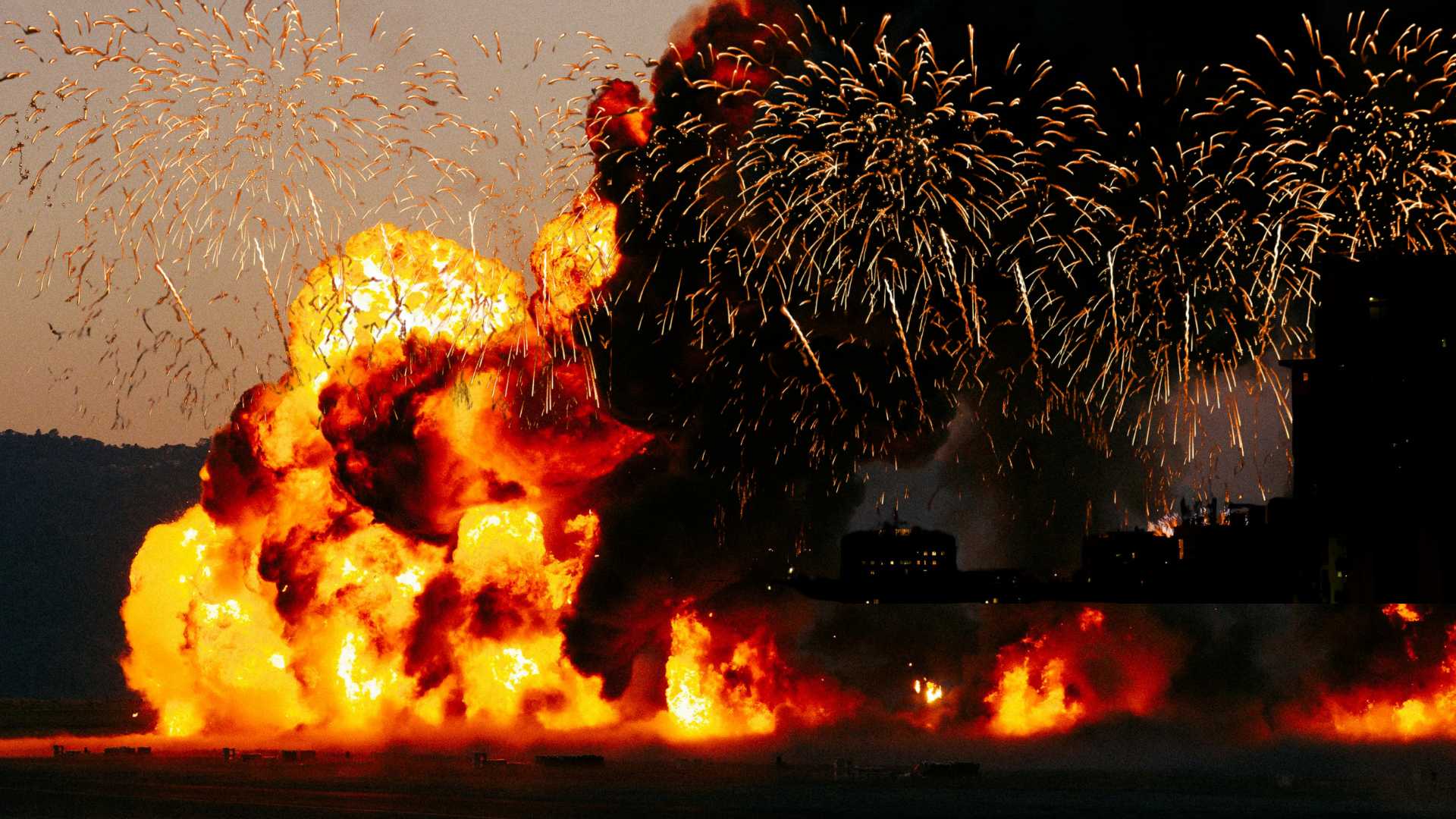
A major explosion at the Sri Surya Firecrackers complex in Vetlapalem, Kakinada district, claimed 20 lives. The incident has revived concerns regarding compliance with safety norms in hazardous industries, particularly fireworks manufacturing units.
This tragedy occurred despite the Andhra Pradesh government constituting a two-member Inquiry Committee in October 2025 following a previous explosion at Sri Ganapathi Grand Fireworks, Rayavaram, which had killed 10 people. The committee had recommended a comprehensive regulatory and operational reform framework.
The recurrence of fatal accidents indicates that regulatory prescriptions remain largely unimplemented. The issue highlights systemic weaknesses in enforcement, coordination, and accountability mechanisms across departments dealing with hazardous industries.
When repeated industrial accidents occur despite prior inquiries and recommendations, it indicates not absence of policy but failure of implementation. In governance terms, weak enforcement erodes regulatory credibility and increases human and economic costs.
2. Institutional and Regulatory Gaps
The Inquiry Committee proposed structural reforms to improve licensing, monitoring, and risk management in fireworks manufacturing. However, alleged non-compliance by both manufacturers and enforcement agencies points to regulatory failure.
The framework recommended integrated digital monitoring, mandatory joint inspections, and district-level oversight. Yet, the recent accident suggests that many prescribed norms were not followed by the unit in question.
This reveals deeper institutional issues:
- Fragmented regulatory oversight
- Inadequate inspection mechanisms
- Weak inter-departmental coordination
- Limited deterrence for violations
Without effective monitoring, safety rules remain procedural formalities rather than enforceable safeguards.
Regulation in hazardous sectors requires continuous supervision, not one-time licensing. If enforcement agencies fail to act decisively, compliance becomes optional, increasing risk exposure for workers and nearby communities.
3. Key Recommendations of the Inquiry Committee
The Committee proposed a two-tier framework consisting of policy reforms and operational Standard Operating Procedures (SOPs).
Policy-Level Reforms:
- Creation of a unified digital portal: Andhra Pradesh Fireworks Licensing and Monitoring System (APFLMS)
- Integration of licensing, inspections, and compliance tracking
- Introduction of a Composite Fireworks Operation Licence
- Risk-based categorisation of units
- Development of a Fireworks Risk Index (FRI)
Operational Mechanisms:
Mandatory joint inspections by:
- Petroleum and Explosives Safety Organisation (PESO)
- Fire Services
- Labour Department
- District Administration
- Formation of a District Fireworks Safety Committee (DFSC) chaired by the District Collector
- Quarterly inspections and maintenance of a district risk register
- Power to suspend licences for persistent violations
The recommendations were designed to shift from reactive investigation to preventive risk management.
The committee’s approach reflects a governance shift from compliance-based regulation to risk-based regulation. If implemented effectively, such systems reduce discretion, improve transparency, and enable early identification of high-risk units.
4. Governance and Development Implications
Firecracker manufacturing falls under hazardous industrial activity, linking it directly to themes in GS3 (Industrial Safety, Disaster Management, and Internal Security) and GS2 (Governance and Regulatory Institutions).
Repeated industrial accidents have multiple implications:
Human and Social Impact:
- Loss of lives (recent incidents: 20 deaths; earlier: 10 deaths)
- Impact on low-income and informal workers
- Psychological and community-level trauma
Economic Impact:
- Loss of livelihoods
- Property damage
- Reduced investor confidence in local industries
Administrative Impact:
- Questions on accountability of enforcement agencies
- Erosion of public trust in regulatory institutions
Industrial safety failures undermine sustainable development goals and weaken state capacity. Effective governance requires not merely drafting SOPs but ensuring compliance through monitoring, technology, and accountability.
Development cannot be separated from safety. If regulatory oversight is weak, economic activity becomes hazardous rather than productive, undermining both growth and welfare.
5. Structural Causes of Implementation Failure
The persistence of accidents despite clear SOPs suggests structural weaknesses rather than isolated lapses.
Possible Contributing Factors:
- Regulatory complacency after initial inquiry
- Capacity constraints in inspection agencies
- Inadequate coordination between PESO, Fire Services, and district authorities
- Lack of real-time monitoring and digital enforcement
- Weak deterrence due to limited penal consequences
Even well-designed systems like APFLMS and FRI require administrative will, technical capacity, and consistent audits to function effectively.
Policy innovation without implementation discipline leads to regulatory illusion — laws exist on paper but fail in practice. Sustained monitoring and accountability are essential to prevent such policy-practice gaps.
6. Way Forward: Strengthening Industrial Safety Governance
Ensuring safety in hazardous industries requires a shift from reactive inquiry to preventive governance.
Administrative Measures:
- Immediate operationalisation of APFLMS
- Strict adherence to mandatory joint inspections
- Time-bound quarterly audits by DFSC
- Transparent publication of compliance status
Technological Measures:
- Digital risk dashboards
- Geo-tagged inspection reports
- Automated compliance alerts
Accountability Measures:
- Fixing responsibility for inspection lapses
- Suspension of licences for repeated violations
- Independent third-party audits
The committee’s warning was clear: without strict adherence, regulatory provisions will remain ineffective and tragedies will continue.
Preventive regulation reduces both human loss and administrative burden. Strong enforcement not only saves lives but strengthens the credibility of the state.
7. Conclusion
The recurring firecracker accidents in Andhra Pradesh highlight the critical gap between policy formulation and implementation. While institutional reforms such as APFLMS, FRI, and DFSC reflect progressive regulatory thinking, their effectiveness depends entirely on enforcement discipline.
Sustainable industrial growth requires integrating safety into governance architecture through technology, coordination, and accountability. Strengthening compliance mechanisms in hazardous industries is essential for safeguarding lives, maintaining public trust, and ensuring responsible development.