
1. Context: India’s Tourism Paradox
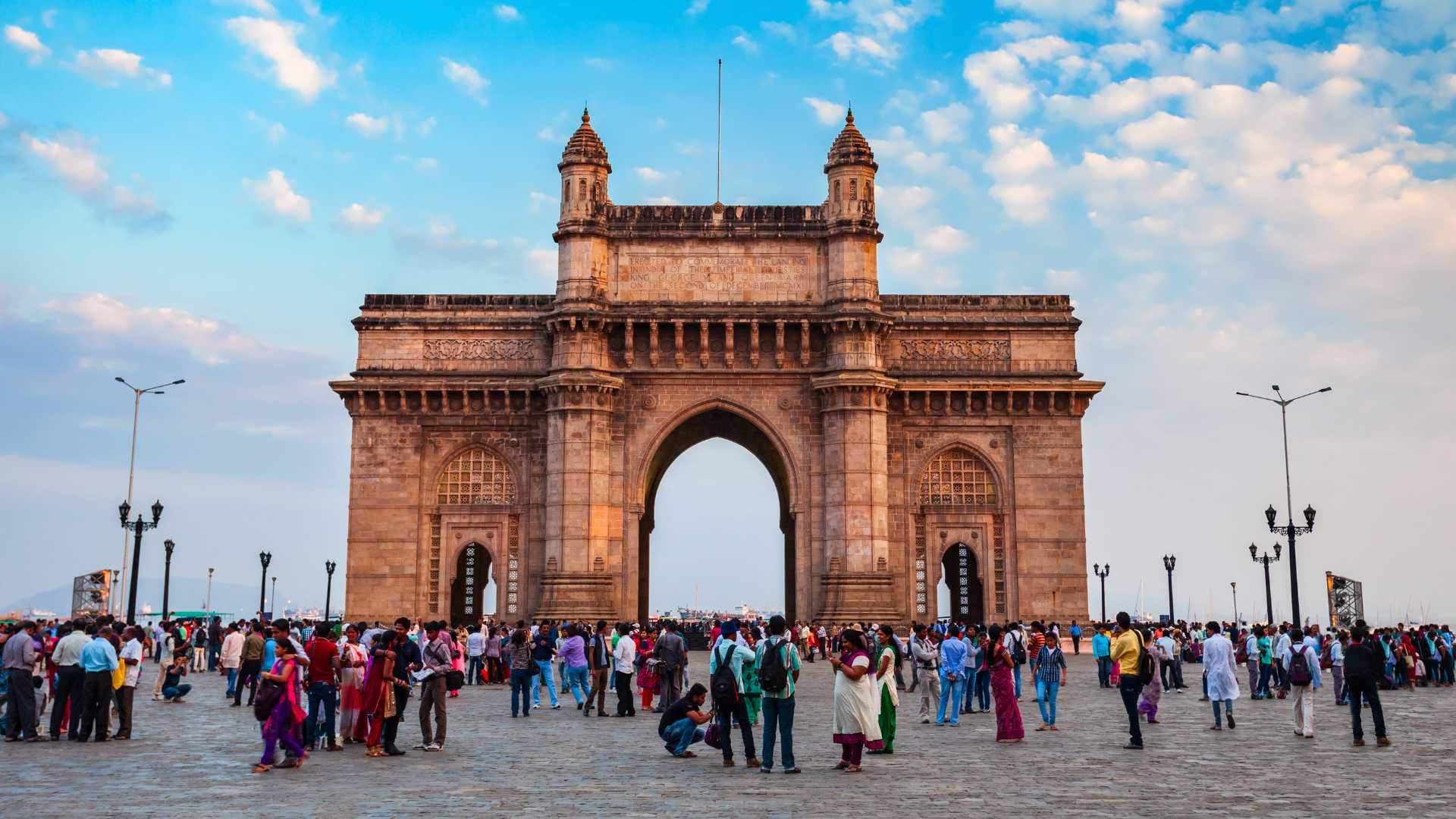
India possesses exceptional tourism endowments, ranging from diverse geography and ancient civilisations to living cultural traditions and modern urban centres. Such diversity gives India the theoretical capacity to be a global tourism powerhouse comparable to any leading destination.
However, tourism outcomes remain modest when measured against this potential. Despite a population of 1.4 billion, India recorded only 5.6 million foreign tourist arrivals (FTAs) till August 2025, while Singapore attracted 11.6 million FTAs in the same period, despite its limited size. Thailand earned over $60 billion from tourism, while India earned barely a third of that amount.
This gap reflects not a lack of attractions, but structural and governance deficits. Tourism performance is shaped by perception, ease of travel, safety, infrastructure, and service quality. If these deficits persist, India risks remaining a “high-potential, low-performance” destination.
If India fails to address this mismatch between potential and outcomes, tourism will remain underutilised as a driver of employment, regional development, and soft power.
2. Image Deficit: Global Perception and Branding Challenges
India’s global tourism image is shaped as much by media narratives as by official branding. While the ‘Incredible India’ campaign projects cultural richness, negative perceptions around safety, sanitation, scams, and bureaucratic hurdles often dominate foreign travellers’ decision-making.
Concerns regarding women’s safety, inconsistent service standards, and fear of harassment create psychological barriers to travel. Competing destinations such as Singapore and Thailand have successfully positioned themselves as safe, efficient, and predictable, reinforcing traveller confidence over time.
India’s size and diversity complicate the creation of a single tourism narrative. However, the absence of segmented, audience-specific branding weakens India’s ability to communicate clear value propositions to global markets.
Key Comparisons:
- India: 5.6 million FTAs (till Aug 2025)
- Singapore: 11.6 million FTAs (till Aug 2025)
- Thailand: >$60 billion tourism revenue
Tourism image functions as a trust signal; if credibility and safety perceptions are not corrected, marketing expenditure alone cannot convert interest into arrivals.
3. Infrastructure Constraints and Visitor Experience
Tourism infrastructure shapes first impressions and overall satisfaction. The visitor journey begins at airports and immigration counters and extends to roads, signage, digital connectivity, and last-mile transport. Weaknesses at any stage degrade the entire experience.
While India has made progress in airport modernisation, gaps remain in last-mile connectivity, clean public amenities, and heritage site maintenance. Poor signage, inadequate public toilets, and unreliable internet reduce convenience and comfort for international visitors.
Cost competitiveness also poses challenges. Although India is seen as a budget destination, mid-range and luxury travel often costs more than in Southeast Asia, reducing its attractiveness to high-spending tourists.
Infrastructure Challenges:
- Inadequate last-mile connectivity
- Poor quality of public sanitation
- Under-maintained heritage sites
- High relative costs for mid-range and luxury tourism
Tourism infrastructure is a public good; neglect reduces private investment returns and discourages repeat visitation.
4. Human Interface: Scale, Service Culture, and Safety
India’s scale, density, and informality can overwhelm first-time visitors. Crowding, noise, and inconsistent service quality reduce the comfort of travel, particularly for those unfamiliar with Indian conditions.
The presence of scammers, touts, beggars, and instances of harassment undermines trust. These issues are magnified in the absence of visible enforcement and tourist-friendly policing.
The hospitality sector faces a ~40% shortfall in trained staff, as many workers prefer stable office employment over service-sector unpredictability. This weakens professional standards and limits India’s capacity to deliver consistent visitor experiences.
Key Challenges:
- Safety concerns, especially for women travellers
- Lack of trained, multilingual service personnel
- Weak regulation of informal tourism intermediaries
Tourism is an experience economy; without trust, safety, and professionalism, natural and cultural assets cannot translate into economic value.
5. Immigration and Visa Regime Constraints
Visa policy is a critical determinant of tourism flows. While India’s e-visa system has improved accessibility, the country still ranks behind several Asian peers on ease-of-travel indicators.
Instances of arbitrary entry denial and adversarial immigration practices damage India’s reputation disproportionately. Such actions conflict with India’s democratic image and deter repeat visitors.
A more liberal and predictable visa framework, including long-term multi-entry visas and selective visa-on-arrival policies, could significantly enhance India’s attractiveness without compromising security.
Policy Gaps:
- Procedural complexity despite e-visas
- Inconsistent immigration practices
- Limited long-term visa options for frequent travellers
Ease of entry is a low-cost, high-impact reform; failure to simplify visas converts administrative caution into economic loss.
6. Economic and Strategic Importance of Tourism
Tourism has high employment elasticity and generates jobs across skill levels, benefiting informal workers, artisans, and small enterprises. According to a World Tourism Organisation report, tourism investment creates multiple times more jobs than equivalent manufacturing investment.
In South Asia, where youth unemployment poses risks to social stability, tourism offers a labour-intensive growth pathway. It also strengthens India’s soft power by shaping global perceptions through people-to-people contact.
Despite its strategic value, tourism policy support remains uneven. GST reforms, particularly the denial of input tax credit, have increased operational costs for hotels, leaving the sector worse off at 5% GST than earlier at 12%.
Economic Implications:
- High job creation potential
- Regional development opportunities
- Missed fiscal and employment gains due to policy distortions
Tourism is not discretionary consumption alone; it is an economic stabiliser and strategic instrument.
7. Strategic Reforms and Way Forward
India’s tourism deficit requires coordinated action across perception management, infrastructure creation, regulatory reform, and workforce development. Fragmented interventions cannot address systemic weaknesses.
Targeted branding through well-defined circuits such as spiritual, adventure, coastal, and cultural routes can improve clarity and market alignment. Infrastructure upgrades must focus on cleanliness, digital access, and heritage conservation through public-private partnerships.
Safety, training, and institutional capacity-building are essential to restore trust. Visa liberalisation and professionalised immigration services can further reduce entry barriers.
Key Reform Priorities:
- Segmented international branding strategies
- Expansion of ‘Adopt a Heritage’ partnerships
- Tourist police expansion with gender balance
- Streamlined and liberalised visa regimes
- GST rationalisation for hospitality
Tourism reform requires whole-of-government coordination; partial measures risk dissipating impact.
8. Conclusion
India’s tourism underperformance is rooted not in scarcity of attractions, but in governance, infrastructure, and experience deficits. Addressing image, infrastructure, and institutional capacity simultaneously can transform tourism into a major engine of employment, growth, and soft power. Refinement, rather than reinvention, is essential for India to emerge as a top-tier global destination.

