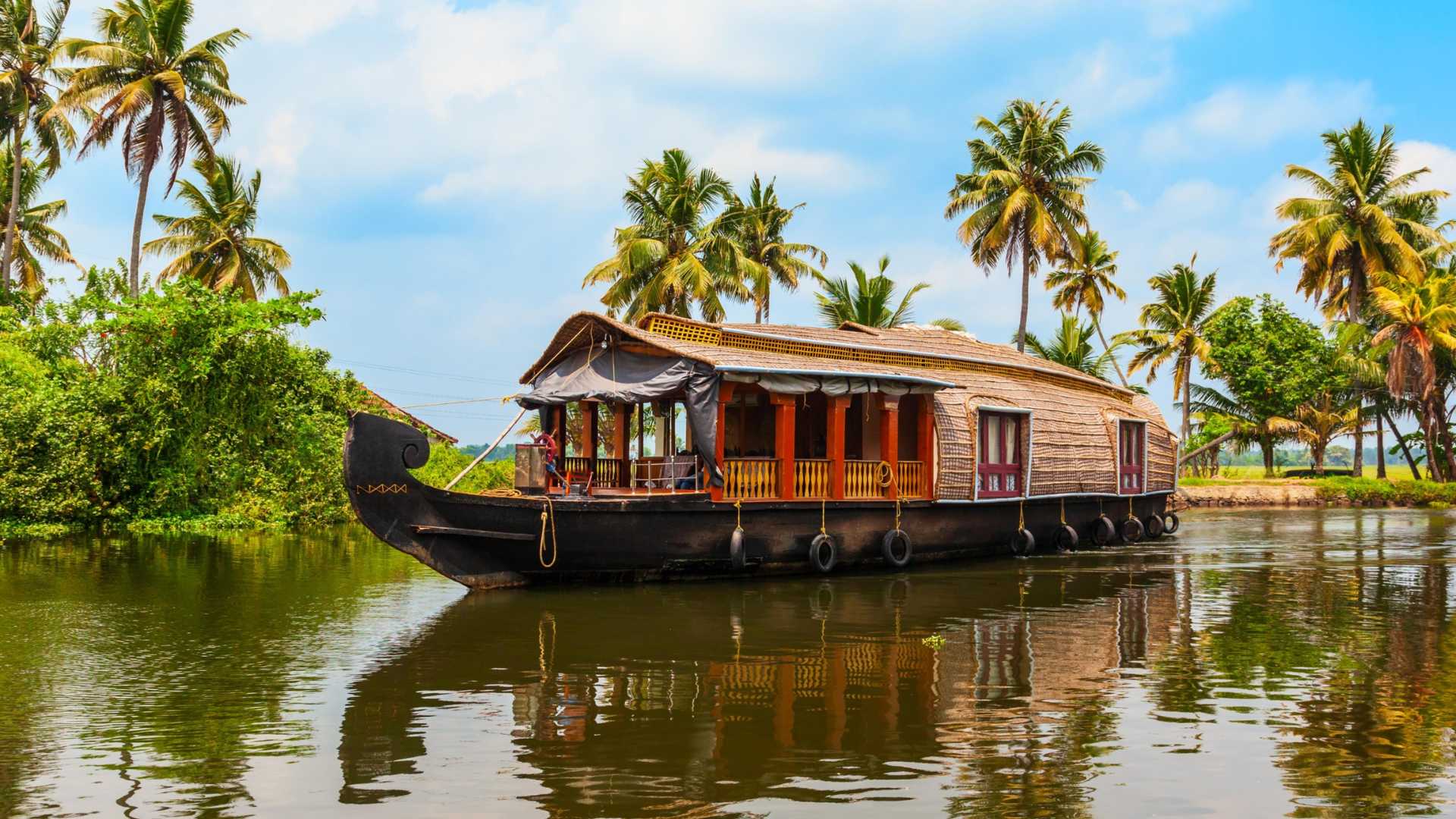
Kerala's Commitment to Mainstream Accessible Tourism

Chief Minister Pinarayi Vijayan emphasizes the need for inclusive tourism, aligning global best practices with local realities in Kerala.
G
Gopi
4 mins read
Kerala leads the way in inclusive and accessible tourism
Not Started

1. Context: Emerging Global Imperative for Accessible Tourism

The growing global population of over 1.3 billion persons with disabilities and 1.1 billion senior citizens underscores that accessible tourism is no longer a marginal concern but a mainstream developmental priority. This demographic shift has widened the policy discourse on inclusive growth and rights-based development. Ignoring these segments risks reinforcing social exclusion and constraining long-term tourism potential.

Kerala positions itself within this global transition by recognising accessibility as integral to sustainable tourism. The State’s emphasis on global best practices indicates an evolving governance approach that links social inclusion with service-sector competitiveness. This becomes crucial as tourism diversifies and visitor expectations shift towards dignity, autonomy, and usability in public spaces.

The Kerala for All conclave serves as a policy and institutional platform to evaluate the State’s accessibility status. By aligning discussions with contemporary global norms, Kerala seeks to move from isolated interventions to a systemic accessibility framework covering infrastructure, services, and digital interfaces. This reinforces Kerala’s broader development model emphasising equity and capability expansion.

Ignoring accessibility limits market expansion, weakens service delivery, and reduces tourism resilience; integrating it strengthens inclusiveness, economic diversification, and governance credibility.

Key Global Numbers:

  • 1.3 billion persons with disabilities
  • 1.1 billion senior citizens

2. Kerala’s Policy Shift: Embedding Accessibility Across the Tourism Value Chain

Kerala aims to establish a comprehensive framework that integrates accessibility at every stage of the tourism value chain. This includes physical infrastructure, transport connectivity, service design, and digital enablement. Such an approach reflects a shift from project-based interventions to system-wide redesign, which is essential for meeting international accessibility benchmarks.

The State government’s articulation links accessibility with modern technology, signalling intent to leverage digital tools for navigation, service accessibility, and real-time assistance. This technological grounding is central for enhancing user experience, especially for vulnerable groups, while improving operational efficiency and tourist satisfaction.

Kerala’s commitment to localising global best practices indicates sensitivity to socio-cultural and geographic contexts. It recognises that adopting universal design principles must align with local terrains, heritage sites, and community-based tourism structures. This adaptive strategy enhances institutional feasibility and long-term sustainability.

If such system-wide integration is delayed, accessibility will remain fragmented, limiting both inclusivity and Kerala’s ability to compete in a rapidly evolving tourism economy.

Policy Focus Areas:

  • Accessibility in infrastructure
  • Accessibility in transport and mobility
  • Accessibility in digital platforms
  • Adaptation of global best practices to local contexts

3. Tourism Performance and New Experience-Based Models

Kerala recorded over 2.25 crore domestic tourists in 2024, generating ₹49,000+ crore in revenue, indicating strong post-pandemic recovery. This performance highlights the effectiveness of Kerala’s tourism model, which emphasises sustainability, community involvement, and destination diversification.

The introduction of seaplane, caravan, and heli-tourism projects illustrates Kerala’s pivot towards experience-driven tourism. These initiatives aim to expand tourism geography, reduce seasonality risks, and attract diverse visitor segments seeking premium or adventure-based experiences. They also reflect Kerala’s strategy of leveraging natural landscapes while ensuring minimal ecological disruption.

The State’s focus on responsible tourism has created employment opportunities, strengthened local economies, and supported women’s empowerment initiatives. This aligns tourism with broader development goals by linking livelihoods, social inclusion, and sustainability.

Without continuous diversification, Kerala risks stagnation in visitor experiences and reduced economic resilience, especially as tourist preferences and global competition intensify.

Key Tourism Data (2024):

  • 2.25 crore+ domestic tourists
  • Tourism revenue: ₹49,000 crore+

New Initiatives:

  • Seaplane tourism
  • Caravan tourism
  • Heli-tourism

4. Social Impact: Inclusive Growth and Community Participation

Kerala’s tourism strategy integrates community-based models that expand employment and empower marginalised groups. Responsible tourism initiatives ensure that local communities become stakeholders in the value chain, generating economic and social capital. This strengthens place-based development and reduces leakages from tourism revenue.

Women’s empowerment has emerged as a significant dimension of Kerala’s tourism governance. Through livelihood programmes and community mobilisation, Kerala has fostered women-led microenterprises and service networks. This enhances gender equity, local leadership, and social resilience while aligning with SDG 5 on gender equality.

By embedding inclusion within tourism planning, Kerala advances a multidimensional development model. It links accessibility, community participation, and sustainable tourism to broader welfare outcomes. Such integration enhances policy legitimacy and ensures that tourism benefits are distributed more equitably across regions and social groups.

"Tourism can be a powerful force for peace and development." — UN World Tourism Organization (UNWTO)

Failure to prioritise community participation and equity can weaken social acceptance of tourism projects and reduce the long-term sustainability of growth.

Social Outcomes:

  • Local job creation
  • Women’s empowerment initiatives
  • Community-driven tourism enterprises

Conclusion

Kerala’s emphasis on accessible and inclusive tourism reflects a maturing development approach that aligns equity with economic expansion. By integrating universal accessibility, technological enablement, and community participation, the State positions tourism as a driver of sustainable and dignified growth. Strengthening these frameworks can help Kerala become a national model for inclusive tourism governance while enhancing long-term sectoral resilience.

Quick Q&A

Everything you need to know

Accessible tourism refers to the design and provision of travel experiences that can be enjoyed by all segments of society, including persons with disabilities, senior citizens, and other marginalized groups. The goal is to eliminate physical, social, and digital barriers so that everyone can travel independently, safely, and comfortably.

The importance of accessible tourism is rising globally because of demographic and social changes. With over 1.3 billion persons with disabilities and 1.1 billion senior citizens worldwide, tourism that ignores accessibility risks exclusion and economic loss. Kerala, for instance, is positioning itself as a model state by integrating accessibility into infrastructure, digital platforms, and service delivery. By learning from global best practices and adapting them locally, Kerala aims to ensure equitable benefits across its tourism ecosystem. This approach also aligns with sustainable and inclusive growth, which is a central priority for modern tourism policies.

For example, Kerala’s initiative of introducing seaplane, caravan, and heli-tourism experiences is not just about innovation, but also ensuring that these new modalities are accessible and inclusive for all tourists, including those with mobility challenges.

Inclusive tourism contributes to sustainable growth by ensuring that economic benefits of tourism are widely shared, socially responsible, and environmentally sensitive. By focusing on accessibility, states like Kerala can tap into previously underserved segments, such as elderly tourists, persons with disabilities, and families with young children. This broadens the market and promotes long-term revenue growth.

Socially, inclusive tourism fosters equity and dignity by providing meaningful participation opportunities for marginalized groups. For instance, Kerala’s tourism model not only attracts visitors but also creates jobs for local communities, including women-led enterprises and responsible tourism initiatives. This approach strengthens social cohesion and improves local livelihoods.

Environmentally, sustainable tourism practices that integrate accessibility often prioritize better infrastructure planning, efficient use of resources, and reduced ecological impact. By embedding accessibility into all stages—from transportation to accommodation—tourism becomes more resilient, responsible, and aligned with the principles of UN Sustainable Development Goals (SDGs).

Kerala has operationalized accessible tourism through a combination of policy, infrastructure, technology, and community engagement. The state government has organized platforms like the 'Kerala for All' conclave to assess current practices, identify gaps, and translate insights into actionable policies. By benchmarking against global best practices, Kerala ensures that international standards are adapted to local realities.

Infrastructure development is a key focus area, encompassing accessible transport, hotels, tourist sites, and digital enablement. Kerala’s initiatives include seaplane, caravan, and heli-tourism, designed to be inclusive from planning to execution. Technology also plays a role, such as digital booking platforms that provide information on accessibility features, enabling informed decisions for travelers with special needs.

Community involvement is another crucial aspect. Local populations are trained and empowered to deliver inclusive services, generate employment, and engage in responsible tourism. Women’s empowerment programs linked to tourism, for example, showcase the state’s commitment to creating a socially inclusive tourism ecosystem while simultaneously enhancing economic opportunities.

Kerala’s tourism growth post-COVID is the result of a strategic and resilient model that emphasizes innovation, inclusivity, and sustainability. The state registered over 2.25 crore domestic tourists in 2024, generating revenue exceeding ₹49,000 crore. This reflects a combination of policy foresight and adaptive strategies.

First, Kerala invested in diversifying tourism experiences with novel offerings like seaplane, caravan, and heli-tourism, appealing to new visitor segments and enhancing overall tourist satisfaction. Second, the state focused on job creation and women’s empowerment through responsible tourism initiatives, which strengthened community participation and local livelihoods. Third, the pandemic prompted a reevaluation of health, safety, and hygiene protocols, making Kerala a trusted and attractive destination in the post-pandemic landscape.

Additionally, the state’s emphasis on inclusive and accessible tourism has opened the doors to previously underserved populations, expanding the customer base while aligning with global sustainable tourism trends. These multi-pronged strategies collectively explain the robust tourist inflow and revenue growth.

While Kerala has demonstrated a strong commitment to inclusive tourism, several challenges remain. Infrastructure gaps are significant, particularly in remote areas where accessibility retrofitting may be expensive or technically complex. Ensuring universal design principles across hotels, transport systems, and tourist sites requires sustained investment.

Another challenge is capacity building and awareness. Service providers, including hotel staff and tour operators, need continuous training to cater to diverse needs. Without adequate human resource development, accessibility measures may exist only on paper, limiting real-world impact.

Financial sustainability is also a concern. Inclusive tourism often entails higher upfront costs in technology, infrastructure, and services. Balancing affordability for tourists with profitability for local operators requires careful policy design. Additionally, continuous monitoring and feedback mechanisms are needed to ensure accessibility standards are maintained over time.

Despite these challenges, Kerala’s proactive approach—such as policy-oriented conclaves, integration of technology, and community engagement—demonstrates its potential to overcome obstacles and serve as a model for other states.

Kerala has incorporated women’s empowerment directly into its tourism initiatives through responsible tourism projects and local entrepreneurship programs. For instance, in certain districts, women-led cooperatives manage homestays, craft markets, and guided tours. This ensures that tourism benefits are equitably distributed and encourages economic independence for women.

These initiatives also include skill development and training programs for women in hospitality, tour management, and handicraft production. By aligning tourism growth with gender equity, Kerala ensures that its inclusive tourism model does not merely serve tourists but also strengthens the social fabric.

A practical example is the training of local women to provide personalized guidance for tourists with special needs, such as senior citizens or differently-abled travelers. This not only enhances the visitor experience but also promotes community-led inclusivity, showcasing Kerala as a state that values both economic development and social empowerment.

When developing a new tourist site, accessibility and inclusivity should be treated as core planning parameters rather than add-ons. The first step is conducting an accessibility audit of the location, evaluating terrain, transport connectivity, and existing infrastructure for potential barriers. This ensures that physical challenges are identified early and addressed through ramps, elevators, tactile signage, and accessible restrooms.

Next, inclusive services should be embedded in all aspects of visitor interaction. This includes digital booking platforms with accessibility information, multilingual guides, and staff trained in assisting differently-abled and senior tourists. Technology solutions, such as apps for navigation assistance, can further enhance inclusivity.

Community involvement is critical. Local residents can be engaged in service provision, handicraft markets, and guided tours, ensuring that the economic benefits of tourism are widely shared. Monitoring and feedback mechanisms should be integrated from the start to continuously improve accessibility standards. By adopting this holistic approach, Kerala can ensure that new tourism projects set benchmarks for sustainable, inclusive, and socially responsible tourism.

Attribution

Original content sources and authors

Sign in to track your reading progress

Comments (0)

Please sign in to comment

No comments yet. Be the first to comment!