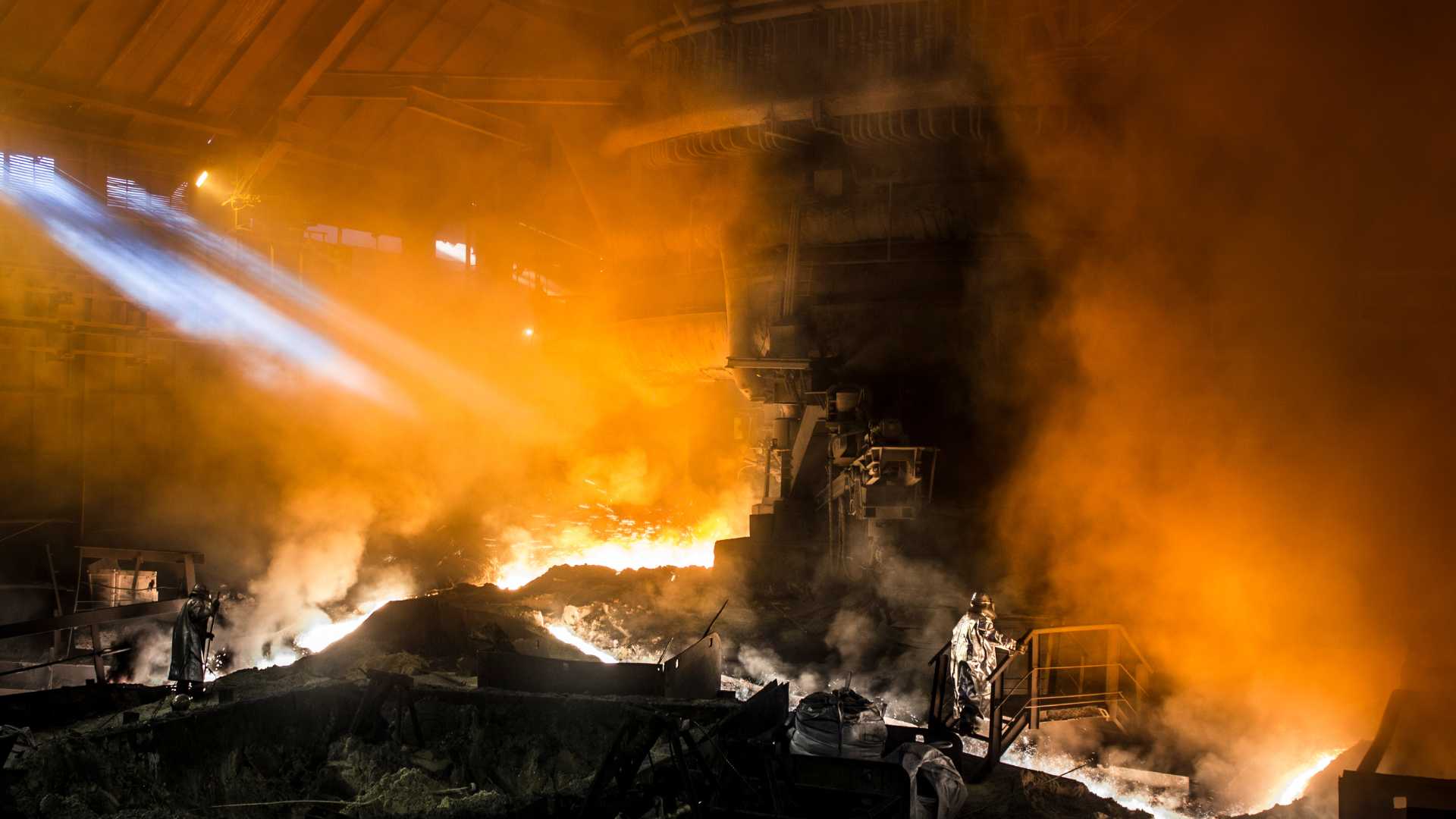
1. Immediate Context: Industrial Explosion in an Explosives Manufacturing Unit
An explosion at an ammunition manufacturing facility in Raulgaon village, Nagpur district (Maharashtra) on March 1, 2026, resulted in the death of 18 people and injuries to over 20 individuals. The blast reportedly occurred around 7:30 a.m. in the packing section of a factory owned by SBL Energy Limited, a mining and industrial explosives manufacturer.
Authorities have registered an accidental death report, with an FIR to follow after preliminary investigations. Rescue operations involved the National Disaster Response Force (NDRF), State Disaster Response Force (SDRF), and regulatory bodies such as the Petroleum and Explosives Safety Organisation (PESO) and the Directorate of Industrial Safety and Health (DISH).
The incident highlights the inherent risks in industries dealing with hazardous materials, particularly explosives, where lapses in safety protocols can have catastrophic consequences. Industrial accidents in such sectors directly affect labour welfare, local communities, and public trust in regulatory mechanisms.
Industrial disasters in high-risk sectors test the effectiveness of regulatory oversight, safety compliance, and disaster preparedness. Failure to address systemic safety gaps can lead to repeated accidents, undermining industrial growth and worker protection.
Key Facts (For Prelims)
- Location: Raulgaon village, Nagpur district, Maharashtra
- Industry: Ammunition / Industrial explosives manufacturing
- Death toll: 18
- Injured: 20+
- Time of incident: 7:30 a.m.
- Agencies involved: NDRF, SDRF, PESO, DISH
2. Regulatory and Safety Dimensions in Explosives Manufacturing
Explosives manufacturing is governed by stringent regulations under bodies such as PESO and monitored through industrial safety frameworks. The Nagpur blast has renewed concerns regarding compliance, inspection regimes, and the quality of safety audits in hazardous industries.
Political representatives have raised allegations of negligence in safety audits of explosive-manufacturing firms. Calls for comprehensive safety reviews were reportedly made months prior, suggesting potential gaps in enforcement rather than absence of regulation.
The explosives sector is critical for mining, infrastructure, and defence-related production. However, inadequate monitoring or procedural complacency in high-risk industrial environments can transform economic assets into public safety hazards.
Regulatory frameworks are only as effective as their enforcement. If inspections become procedural rather than substantive, high-risk industries may operate with latent vulnerabilities, leading to avoidable loss of life and economic disruption.
Challenges Highlighted
- Possible lapses in safety audits
- Inadequate enforcement of compliance standards
- Risk concentration in packing and handling areas
- Need for proactive, not reactive, inspections
3. Disaster Response and Institutional Coordination
Following the blast, coordinated action was initiated by NDRF, SDRF, PESO, and DISH, demonstrating institutional preparedness for industrial disasters. Rapid evacuation and medical transfer to nearby hospitals, including Orange City Hospital, limited further fatalities.
Statements from state authorities indicate continuous monitoring and a commitment to strict action after investigation. The filing of an accidental death report followed by a formal FIR reflects procedural adherence to criminal investigation standards.
However, post-disaster response, though essential, cannot substitute preventive governance. Industrial disaster management must prioritize risk reduction, periodic hazard mapping, and worker safety training.
Effective disaster response reduces immediate casualties, but governance credibility ultimately depends on prevention. Overreliance on relief mechanisms without strengthening preventive systems can institutionalize a cycle of tragedy and compensation.
Institutional Actors Involved
- NDRF & SDRF – Rescue and emergency response
- PESO – Regulatory oversight for explosives
- DISH – Industrial safety compliance
- Local police administration – Investigation
4. Compensation Framework and Welfare Response
The Prime Minister’s Office announced ex gratia assistance under the Prime Minister’s National Relief Fund (PMNRF):
- ₹2 lakh to next of kin of each deceased
- ₹50,000 to each injured person
The Maharashtra government separately announced ₹5 lakh compensation per deceased victim’s family. The concerned company has also committed to financial assistance.
Compensation mechanisms provide immediate financial relief and signal state accountability. However, they are remedial in nature and cannot substitute structural reforms in occupational safety and labour protections.
Ex gratia payments serve short-term welfare needs but do not address systemic risks. Without long-term regulatory reforms, compensation becomes a recurring fiscal burden rather than a one-time corrective measure.
Governance Implications
- Role of PMNRF in disaster relief
- Shared responsibility between Centre, State, and private firms
- Need for institutionalised worker insurance and safety compliance
5. Industrial Safety, Labour Protection and Developmental Implications
Industrial accidents in hazardous sectors directly intersect with:
- GS2: Governance, regulatory institutions, Centre-State coordination
- GS3: Disaster management, industrial safety, internal security (explosives regulation)
- GS1: Social issues (labour vulnerability and informal workforce risks)
India’s push toward manufacturing expansion under initiatives like “Make in India” necessitates parallel strengthening of occupational health and safety frameworks. Industrial growth without robust compliance architecture can generate reputational risks and investor uncertainty.
Explosives manufacturing also intersects with national security and infrastructure sectors. Therefore, any regulatory weakness has multi-dimensional implications — economic, social, and security-related.
Balanced development requires integrating industrial expansion with stringent safety governance. Neglecting safety not only causes human tragedy but may also weaken India’s credibility as a responsible manufacturing hub.
6. Way Forward: Strengthening Industrial Safety Architecture
The incident underscores the need for systemic reforms rather than isolated administrative action.
Policy Measures
- Periodic, third-party safety audits for hazardous industries
- Strengthening PESO’s inspection capacity and accountability
- Digital compliance tracking for explosives units
- Mandatory emergency preparedness drills
- Transparent disclosure of safety compliance status
Governance Reforms
- Clear liability frameworks for corporate negligence
- Worker safety training and certification
- Integration of industrial disaster risk reduction in district disaster management plans
A shift from reactive compensation to preventive compliance is essential for sustainable industrialisation.
Conclusion
The Nagpur industrial explosion reflects broader structural challenges in regulating high-risk industries. While swift rescue operations and compensation demonstrate administrative responsiveness, the deeper test lies in preventive governance.
Ensuring strict safety compliance, strengthening regulatory oversight, and institutionalising accountability mechanisms will be critical to harmonising industrial growth with worker welfare and public safety in India’s developmental trajectory.