Mass Poisoning Case
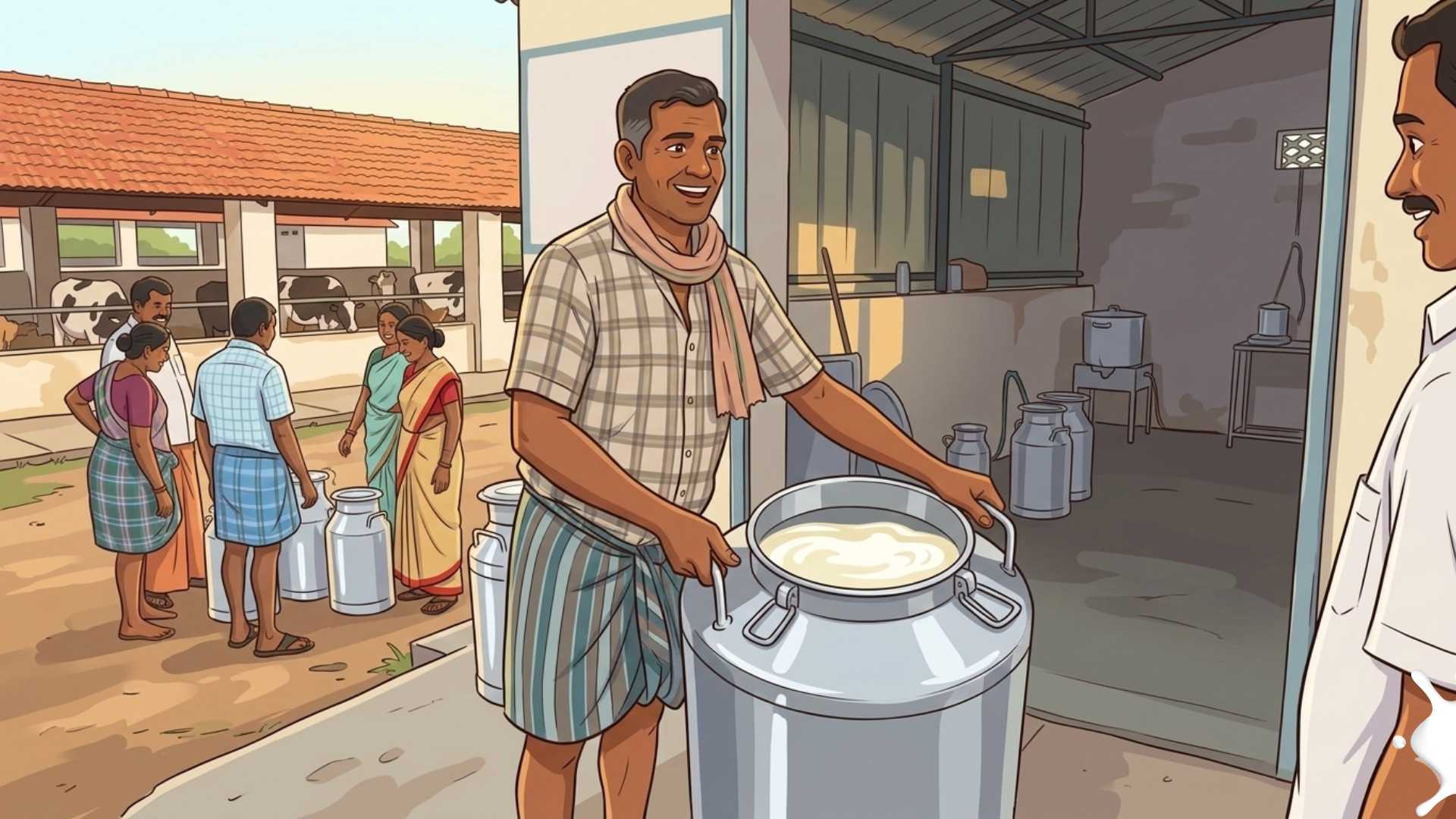
- A milk contamination incident occurred in Rajamahendravaram, Andhra Pradesh.
- Milk was reportedly contaminated with ethylene glycol, a toxic industrial compound.
- Death toll: 11 people as of March 8, 2026.
- Around 20 people hospitalised, including infants.
- Victims consumed milk supplied by a local vendor.
Legal Action Taken
-
Police invoked provisions under the Bharatiya Nyaya Sanhita (BNS):
- Section 103 – Punishment for murder.
- Section 105 – Culpable homicide not amounting to murder.
-
The vendor allegedly continued selling milk despite complaints of bitter taste.
-
He was reportedly warned about a coolant leak that could be poisonous.
About Ethylene Glycol Poisoning
Nature of the Chemical
- Ethylene glycol is an industrial chemical, commonly used in coolants and antifreeze.
- It is highly toxic when ingested.
Health Impact
- Causes severe metabolic and kidney damage.
- Particularly dangerous for children and elderly.
Vulnerable Groups
-
Children
- Higher metabolic sensitivity to toxins.
-
Elderly
- Lower renal reserves, making toxin elimination difficult.
Possible Social and Market Impacts
Crisis of Consumer Confidence
- Milk is a daily staple in Indian households.
- Industrial contamination may reduce public trust in local milk supplies.
Shift in Consumer Preference
-
Consumers may move towards pasteurised milk from regulated cooperatives such as:
- Amul
- Vijaya
Impact on Informal Vendors
-
A large share of milk distribution in India occurs through small vendors.
-
Severe criminal charges may:
- Push small vendors to exit the market, or
- Force them into deeper informality.
Regulatory Paradox
- Excessive criminalisation could reduce transparency.
- Informalisation may make regulation and monitoring harder.
Regulatory and Food Safety Challenges
Weaknesses in Informal Supply Chains
-
Informal dairy supply chains lack:
- Cold-chain monitoring
- Hygiene inspections
- Quality testing mechanisms
Regulatory Oversight Failure
-
The dairy reportedly operated without a safety licence for 11 years.
-
Indicates serious lapses by:
- Local government authorities
- Food Safety and Standards Authority of India (FSSAI)
Lack of Periodic Inspections
- Authorities failed to conduct regular field audits.
- Standardised safety protocols were not enforced.
Policy Measures to Improve Food Safety
Reducing Compliance Costs
-
Food safety systems must focus on making compliance easier for small operators.
-
Suggested measures include:
- Subsidised milk testing kits
- Cooperative chilling and storage facilities
Encouraging Early Reporting
-
Regulators may introduce safe-harbour provisions:
- Reduced penalties for operators who voluntarily report contamination.
-
This can help early detection and quicker intervention.
Importance of Effective Enforcement
Deterrence Through Detection
-
Effective regulation depends on:
- High probability of detecting violations
- Timely sanctions
Limits of Harsh Criminal Penalties
- Severe punishments alone do not ensure prevention.
- If detection risk is very low, even strict penalties lose deterrent value.
Need for Strong Monitoring Systems
-
Reliable enforcement requires:
- Regular inspections
- Standardised safety protocols
- Institutional accountability
Key Takeaways
- 11 deaths and about 20 hospitalisations highlight the seriousness of the Rajamahendravaram milk contamination incident.
- Ethylene glycol contamination poses severe health risks, especially to children and elderly people.
- Criminal prosecution under BNS Sections 103 and 105 shows a strong legal response but may also have unintended market effects.
- Informal dairy supply chains lack adequate regulation, increasing contamination risks.
- Regulatory failure, including 11 years of unlicensed operation, exposes gaps in local and FSSAI oversight.
- Long-term prevention requires better monitoring, easier compliance, and early reporting mechanisms, rather than relying solely on harsh penalties.