1. Political Context: Restoration of Elected Government after President’s Rule
Manipur witnessed the installation of a new government on February 4, 2026, after remaining under President’s Rule for nearly one year following prolonged ethnic violence. The re-establishment of an elected government marks a constitutional return to representative governance under Article 356.
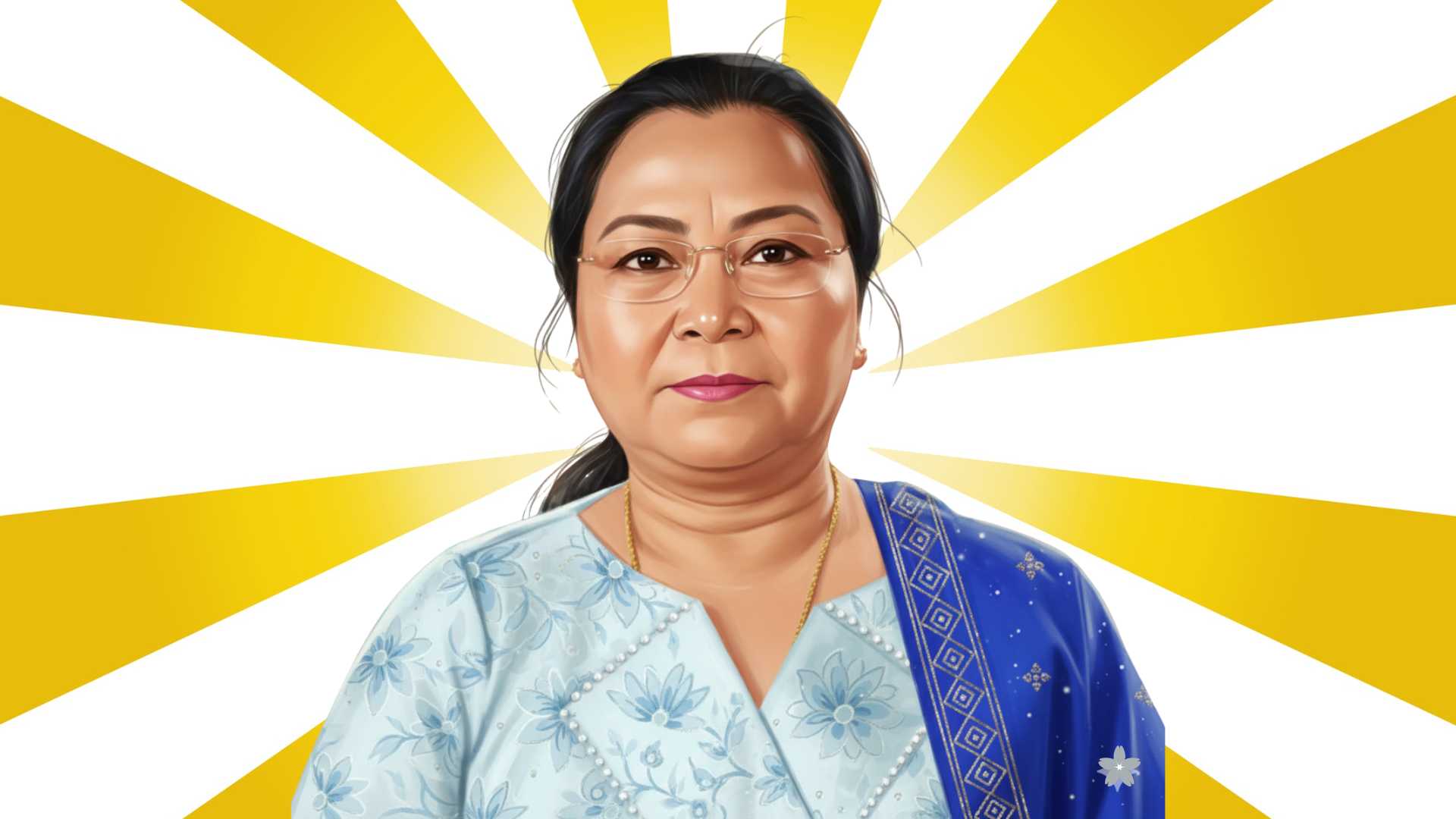
The leadership structure reflects deliberate ethnic balancing: Chief Minister Yumnam Khemchand Singh (Meitei), and two Deputy Chief Ministers — Nemcha Kipgen (Kuki-Zo) and Losii Dikho (Naga). This arrangement attempts inclusive power-sharing among Manipur’s three major communities in a 60-member Assembly, where Ms. Kipgen is among 10 Kuki-Zo legislators.
The formation of a multi-ethnic leadership structure is politically significant in a state fractured along ethnic lines since May 2023. Representation is being used as an instrument of reconciliation and institutional legitimacy.
The restoration of representative government after President’s Rule is essential for democratic normalcy. If political inclusiveness is not institutionalised, administrative control alone cannot restore public trust in conflict-affected regions.
2. Ethnic Violence and Its Aftermath
Manipur has been affected by large-scale ethnic violence between the Meitei and Kuki-Zo communities since May 3, 2023. The violence resulted in:
- Over 250 deaths
- Around 60,000 displaced persons
The scale of casualties and displacement indicates deep social fragmentation. Buffer zones were created between communities to prevent further violence, effectively territorialising ethnic divisions.
Even after government formation, protests erupted in Kuki-Zo areas such as Churachandpur and Kangpokpi against community legislators joining the government. Civil society groups had earlier resolved against participation in the elected setup, reflecting mistrust toward state institutions.
Ethnic conflict of this magnitude transforms political disputes into identity-based insecurities. Without addressing trauma, displacement, and security concerns, formal political arrangements may not translate into durable peace.
3. Governance from Outside Imphal: Constitutional Responsibility vs Ground Realities
Deputy Chief Minister Nemcha Kipgen took oath from Manipur Bhawan in New Delhi, citing security and logistical constraints. She continues to operate from Kangpokpi, rather than Imphal, the state capital.
"Physical location does not diminish constitutional duty." — Nemcha Kipgen
Her stance reflects an attempt to balance constitutional responsibility with ground-level safety concerns. She emphasises coordination with officials, security agencies, and cabinet colleagues to ensure continuity of governance.
However, the symbolism of not being physically present in the capital underlines the continuing security fragility in the state.
Effective governance in conflict zones requires both symbolic presence and administrative continuity. If physical fragmentation persists, it risks reinforcing psychological and territorial divisions.
4. Buffer Zones and Security Management
On the issue of buffer zones separating Kuki-Zo and Meitei areas, the Deputy CM responded with a conditional approach — “both yes and no.” She acknowledged that:
- Buffer zones may need to continue where “wounds of violence remain deep.”
- Healing takes time and safety must be prioritised.
Buffer zones are conflict-management tools, but they also institutionalise segregation. Their continuation reflects the fragile peace and lack of inter-community trust.
Implications:
- Prevents immediate clashes
- Reinforces ethnic separation
- Delays social reintegration
- Signals incomplete conflict resolution
Security-first approaches are necessary in post-conflict settings. However, prolonged securitisation without reconciliation risks converting temporary arrangements into permanent divisions.
5. Women’s Leadership and Gender Representation
Nemcha Kipgen became the first woman Deputy Chief Minister of Manipur. She framed her leadership through a “care-centric” governance approach, linking women’s representation to peacebuilding and social healing.
She emphasised that women constitute roughly 50% of the population, and democratic representation must reflect this demographic reality.
This development connects to broader themes in governance:
- Women’s political participation
- Gender-responsive governance
- Peacebuilding through inclusive leadership
Her articulation aligns with the idea that conflict resolution must integrate social healing, especially for displaced women and families.
Greater representation of women in executive positions can reshape governance priorities toward welfare, rehabilitation, and inclusive development. Ignoring gendered dimensions of conflict weakens long-term peacebuilding.
6. Intra-Tribal Identity Assertion and Political Fragmentation
Beyond the Meitei–Kuki divide, internal distinctions exist among Kuki, Zomi, Hmar, Thadou and other tribal communities. The assertion of distinct identities reflects historical, political, and cultural realities.
The Deputy CM emphasised a consultative and inclusive approach, recognising diversity while seeking common ground based on shared heritage and future aspirations.
This highlights:
- Multi-layered identity politics
- Federal accommodation of diversity
- Need for consultative governance mechanisms
In multi-ethnic states, failure to recognise sub-identities can generate secondary conflicts. Sustainable governance requires acknowledging distinct identities while strengthening overarching constitutional unity.
7. Leadership Consensus and Multicultural Constitutionalism
The acceptance of Y. Khemchand Singh as Chief Minister was attributed to his perceived commitment to multicultural understanding and minority rights.
Manipur’s governance challenge lies in managing ethnic contestations within the constitutional framework. Leadership credibility becomes central during post-conflict transitions.
This reflects broader constitutional values:
- Protection of minority rights
- Recognition of diversity
- Democratic consensus-building
In deeply divided societies, leadership legitimacy stems less from electoral arithmetic and more from perceived neutrality and inclusiveness. Absence of such leadership can reignite fault lines.
8. Governance Challenges Ahead
The new government must address:
- Rehabilitation of 60,000 displaced persons
- Restoration of inter-community trust
- Economic revival in violence-affected districts
- Gradual dismantling or rationalisation of buffer zones
- Rebuilding institutional credibility
The continuation of protests in Kuki-Zo areas indicates that political representation alone does not guarantee acceptance. Trust-building will depend on visible actions, equitable resource allocation, and impartial law enforcement.
Post-conflict governance requires sequencing: security stabilisation, humanitarian relief, political reconciliation, and development revival. Skipping stages can undermine the entire recovery process.
Conclusion
The formation of a multi-ethnic government in Manipur marks a constitutional and political reset after prolonged unrest. However, representation must translate into reconciliation, rehabilitation, and institutional trust.
Long-term peace will depend on balancing security measures with inclusive governance, recognising identity diversity while strengthening constitutional unity. The Manipur case illustrates that in conflict-affected regions, democratic restoration is only the beginning — sustainable governance demands persistent trust-building and equitable development.