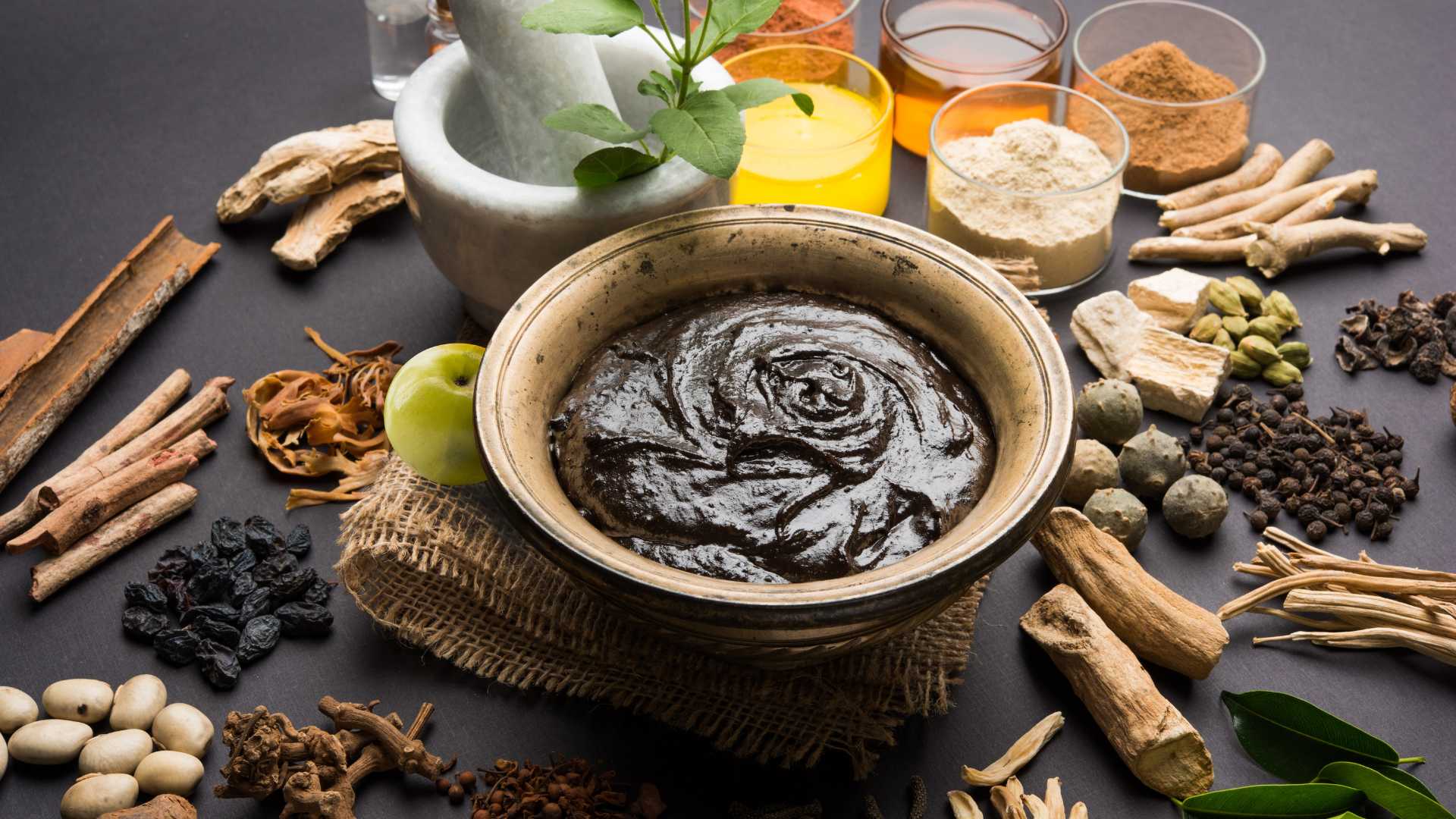
INTRODUCTION India’s push to globalise traditional medicine has gained momentum with the 2026–27 Union Budget and the proposed India–EU Free Trade Agreement (FTA). The AYUSH Ministry’s allocation has risen to ₹4,408 crore, nearly doubling in five years, while the global traditional medicine market is estimated to exceed $400 billion. These developments signal a shift from viewing Ayurveda as an alternative system to integrating it into mainstream healthcare and global markets. However, this expansion raises critical questions of scientific validation, regulation, and credibility.
BACKGROUND AND POLICY CONTEXT
- India has historically promoted AYUSH systems as part of its cultural and healthcare framework.
- Recent policy thrust aims at mainstreaming AYUSH within public health systems.
- The India–EU FTA expands the external dimension, enabling global mobility of practitioners and products.
- Establishment of All-India Institutes of Ayurveda mirrors AIIMS-like institutionalisation.
KEY BUDGETARY AND POLICY MEASURES
| Measure | Details | Significance |
|---|---|---|
| AYUSH Budget | ₹4,408 crore (2026–27) | Strengthening infrastructure and research |
| National AYUSH Mission | 66% increase | Integration into public healthcare |
| New Institutes | 3 All-India Institutes of Ayurveda | Standardisation and advanced research |
| AYUSH in Hospitals | Clinics in govt hospitals | Mainstream healthcare integration |
INDIA–EU FTA AND GLOBAL OPPORTUNITIES
- Recognition of Indian qualifications for AYUSH practitioners in EU (in unregulated sectors).
- Enables setting up Ayurvedic clinics in Europe with regulatory stability.
- Potential mutual recognition of safety certifications.
- Expands India’s soft power and medical diplomacy.
KEY CONCEPT: TRADITIONAL, COMPLEMENTARY AND ALTERNATIVE MEDICINE (TCAM)
- TCAM includes Ayurveda, Yoga, Unani, Siddha, Homeopathy.
- WHO recognises TCAM as significant in primary healthcare globally.
- Reflects holistic and ecological understanding of health, unlike reductionist biomedicine.
COMPARISON: AYURVEDA VS BIOMEDICINE
| Dimension | Ayurveda (TCAM) | Biomedicine |
|---|---|---|
| Approach | Holistic, systemic | Reductionist, organ-specific |
| Health Concept | Balance (doshas, ecology) | Absence of disease |
| Treatment | Lifestyle, diet, natural remedies | Drugs, surgery |
| Strength | Preventive, long-term wellness | Acute care, precision treatment |
| Limitation | Limited empirical validation | Less focus on holistic well-being |
IMPLICATIONS OF MAINSTREAMING AYUSH
- Healthcare Integration: Diversifies treatment options in public health.
- Economic Gains: Boosts exports of AYUSH products and services.
- Soft Power: Enhances India’s cultural diplomacy globally.
- Research Ecosystem: Encourages interdisciplinary health research.
CHALLENGES AND CONCERNS
Lack of Scientific Evidence
- Limited large-scale, peer-reviewed clinical trials.
- Risk of exaggerated claims damaging credibility.
Conflict of Interest
- Research often funded by the promoting ministry itself.
- Weak independent validation mechanisms.
Regulatory Harmonisation
- EU markets demand stringent safety and efficacy standards.
- Need for alignment with global norms (WHO, EMA).
Reputational Risks
- Failure to meet standards may reinforce stereotypes of “unscientific traditionalism”.
Epistemological Debate
- Tension between traditional knowledge systems and modern scientific validation.
NEED FOR SCIENTIFIC VALIDATION AND GOVERNANCE REFORMS
- Independent, third-party clinical trials and research funding.
- Adoption of global best practices in drug testing and certification.
- Transparent publication of positive and negative results.
- Strengthening regulatory bodies and quality control systems.
Quote: “Global ambition demands scientific accountability.”
COEXISTENCE AND INTEGRATED HEALTH APPROACH
- Ayurveda provides holistic and preventive frameworks.
- Biomedicine offers precision and acute interventions.
- The goal is complementarity, not substitution.
- Encourages a pluralistic healthcare model aligned with WHO’s integrated health vision.
CASE STUDY: GLOBAL TRADITIONAL MEDICINE ACCEPTANCE
-
China has successfully globalised Traditional Chinese Medicine (TCM) through:
- State-backed research
- Integration with modern medicine
- International regulatory compliance
Lesson for India: Scientific validation + state support = global acceptance.
CONCLUSION India stands at a critical juncture where Ayurveda is transitioning from cultural heritage to global healthcare player. While policy support and international agreements provide unprecedented opportunities, long-term success hinges on scientific rigor, regulatory credibility, and institutional independence. A balanced integration of tradition with evidence-based medicine can position India as a leader in holistic global healthcare.
UPSC MAINS QUESTION (15 MARKS, 250 WORDS) “India’s efforts to globalise Ayurveda through policy support and trade agreements present both opportunities and challenges.” Critically examine with reference to scientific validation, regulatory frameworks, and healthcare integration.