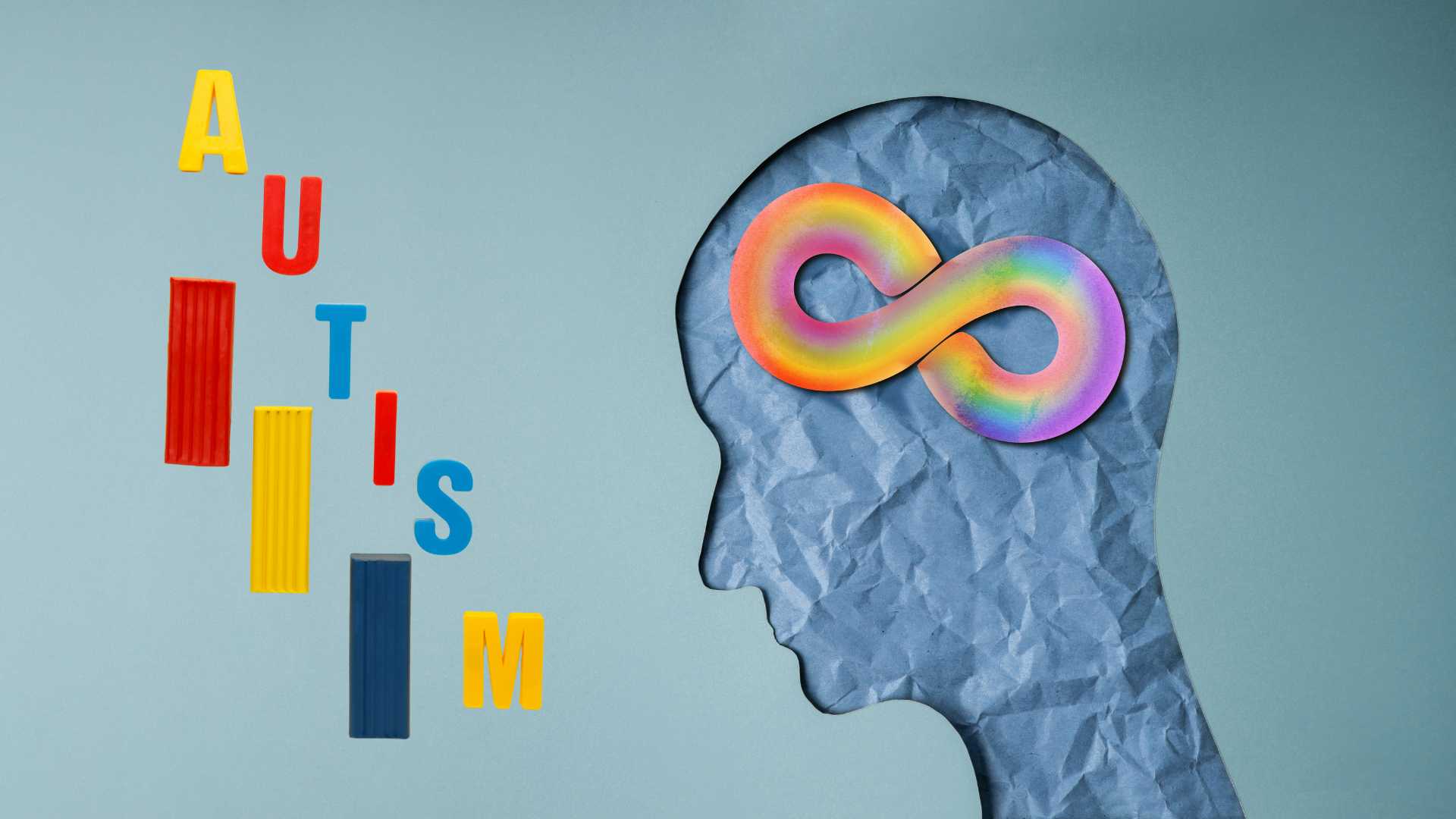
1. Context: Supreme Court's Intervention on Stem Cell Therapy for ASD
The Supreme Court ruled that stem cell “therapies” cannot be offered as a clinical service for Autism Spectrum Disorder (ASD) outside approved and monitored research settings. This judgment arises amid the growing commercialisation of unverified treatments marketed as cures, especially targeting vulnerable families. By restricting their use to clinical trials, the Court reinforces scientific validity as a prerequisite for medical interventions.
The Court criticised the Union Government for failing to regulate institutions offering such therapies, which has led parents to incur heavy financial burdens for unproven procedures. This highlights gaps in regulatory enforcement under existing health laws and biomedical research guidelines.
The Bench emphasised that the therapeutic use of stem cells in ASD lacks adequate scientific evidence regarding safety or efficacy. Consequently, any clinical offering of such therapies falls short of the “reasonable standard of care” expected from medical professionals.
This section matters because unregulated therapies can cause public health risks, financial exploitation, and erosion of trust in scientific research. Without intervention, misleading medical claims would proliferate, leading to systemic regulatory failures.
2. Lack of Scientific Evidence and Valid Consent
The Court stressed that doctors currently lack “adequate information” about stem-cell therapy for ASD, making it impossible to convey accurate benefits, risks, or alternatives to patients. Without this foundational knowledge, no legitimate clinical service can be offered.
Additionally, the Court held that any consent obtained for such treatment cannot be deemed valid. Consent requires full disclosure of procedure details, potential risks, effects, alternatives, and repercussions of refusing treatment—none of which are currently scientifically established for ASD stem-cell use.
"Consent means an informed authorisation grounded in adequate disclosure of the nature, procedure, purpose, benefits, effects, alternatives, substantial risks, and adverse consequences of refusing treatment." — Supreme Court Judgment (2026)
The reasoning underscores that patient autonomy cannot override the requirement of scientific validation. Allowing such consent would legitimise unsafe practices and weaken ethical foundations of medical treatment.
Challenges:
- Absence of peer-reviewed evidence
- No established clinical guidelines
- Risk of physical harm and psychological distress
- High financial burden on families
3. Government Oversight and Regulatory Failure
The judgment criticised the government's inaction against clinics offering unapproved stem cell therapies, calling it a breach of its regulatory obligations. Despite clear prohibitions under the New Drugs and Clinical Trial Rules, 2019 and National Guidelines for Stem Cell Research, 2017, commercial entities have been allowed to operate openly.
To address these gaps, the Court directed the Union Government to establish a dedicated authority for regulatory oversight of stem-cell research. Such an institution would monitor compliance, accredit research centres, ensure ethical standards, and curb misleading advertisements.
This is crucial because regulatory gaps lead to proliferation of unsafe therapies, weak enforcement dilutes scientific integrity, and absence of oversight undermines patient safety. Without a central authority, coordination failures will persist across ministries and research bodies.
Impacts of regulatory failure:
- Normalisation of unscientific medical practices
- Exploitation of vulnerable families
- Weakening of India’s scientific reputation
- Legal ambiguity for clinicians and researchers
4. Ethical Dimensions: Protection from False Hope
Petitioners highlighted that stem cell therapy remains experimental yet is aggressively marketed as a “treatment” or “cure,” creating false hope among families desperate for improvement in ASD outcomes. The Court recognised that this environment enables exploitation and misrepresentation of scientific progress.
Ethically, the Court noted that no individual—parent, guardian, or caregiver—can demand stem cell therapy for ASD as a right or clinical entitlement. Patient autonomy does not extend to seeking procedures that are unvalidated or outside reasonable medical practice.
The ruling condemns the use of unscientific assurances that prey on the emotional vulnerabilities of caregivers. Families often invest substantial financial resources—sometimes life savings—towards therapies with no proven benefit.
This matters because unchecked promotion of false cures undermines public trust, erodes ethical medical practice, and distracts from evidence-based therapeutic pathways. Ignoring this issue would exacerbate misinformation and long-term psychological and financial harm to families.
Key ethical concerns:
- Misrepresentation of experimental research as clinical cure
- Vulnerability of ASD caregivers
- Inability to provide informed consent
- Violation of medical ethics and trust
5. Way Forward: Strengthening Biomedical Governance
The judgment signals urgent need for coordinated reforms in biomedical research governance. Regulatory frameworks must ensure that experimental therapies remain within scientific evaluation settings and do not enter the market prematurely. This involves upgrading surveillance, strengthening legal action against violators, and promoting public awareness on unproven medical interventions.
The government must operationalise a national authority with statutory backing to monitor, approve, and audit stem cell research. Integration with ICMR, CDSCO, and ethics committees will be essential for comprehensive oversight.
At the same time, India must support genuine scientific research in stem-cell and genetic medicine through transparent clinical trials, data-sharing standards, and public communication. Responsible innovation combined with firm regulation can help India build a credible global position in regenerative medicine.
If these reforms are not pursued, unregulated therapies may proliferate, research credibility will suffer, and exploitation of vulnerable patients will continue unchecked.
Priority reforms:
- Establish central regulatory authority
- Enforce action against violative clinics
- Strengthen ethics committee functioning
- Promote evidence-based ASD interventions
Conclusion
The Supreme Court's ruling places scientific evidence, ethical practice, and patient safety at the core of medical governance. By prohibiting unvalidated stem cell therapies outside research settings and directing creation of a dedicated regulatory authority, the judgment strengthens India’s biomedical oversight framework. Effective implementation will safeguard vulnerable families, uphold scientific integrity, and support responsible advancement in regenerative medicine.