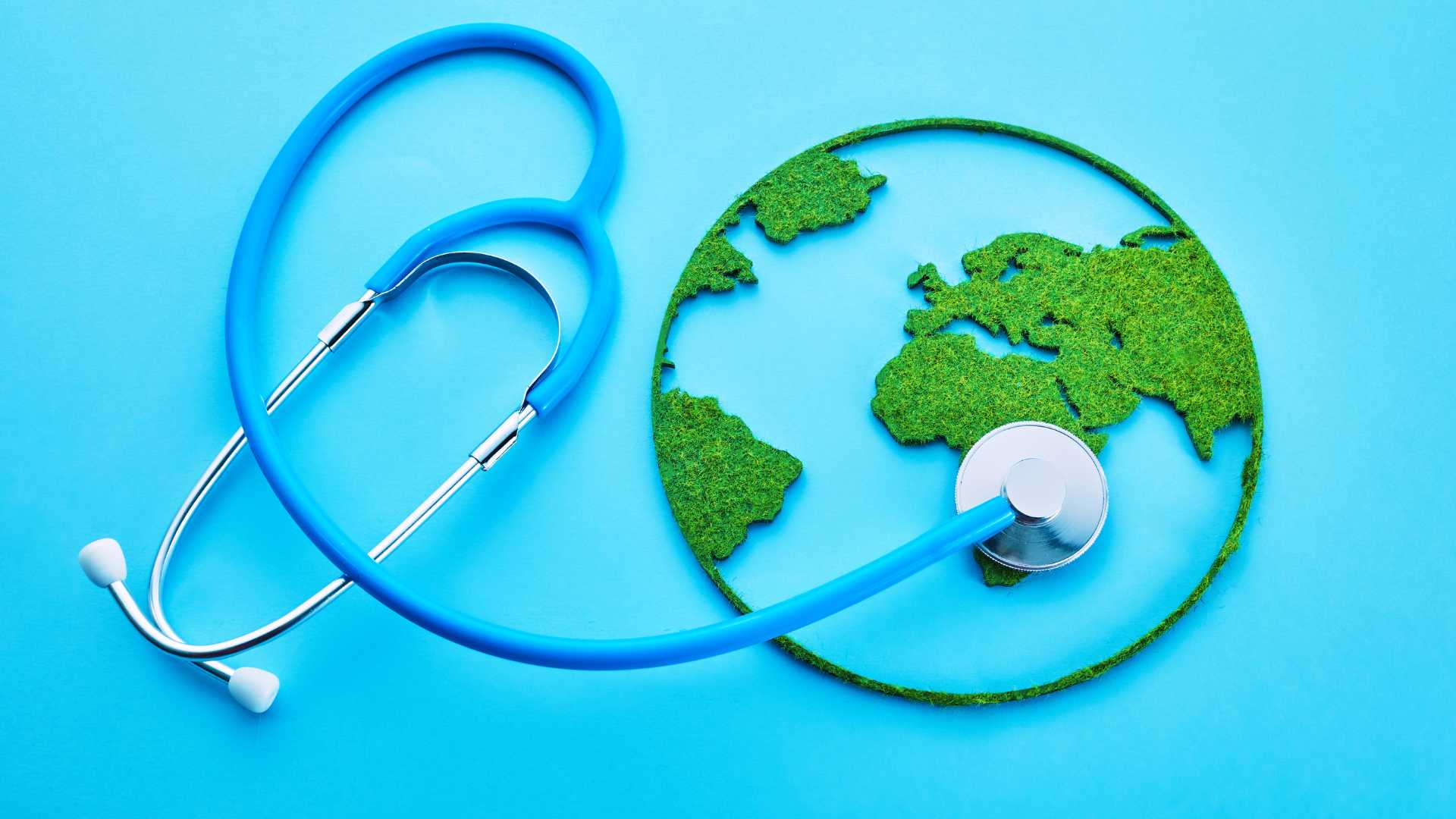
Pathogens Without Payback: The Inequity in Global Health

Introduction
The COVID-19 pandemic exposed a fundamental asymmetry in global public health architecture: nations that contribute pathogens bear the greatest disease burden, while nations that convert them into vaccines and therapeutics capture the benefits. The WHO Pandemic Agreement (WPA), adopted May 2025, remains incomplete without its PABS Annex — a legally binding framework linking sample-sharing to guaranteed benefit-sharing. With negotiations resuming April 27, 2026, the outcome will define the architecture of global pandemic preparedness for decades.
"When contagions don't discriminate, why should cures? Risks are shared; rewards are not."
| Statistic | Figure |
|---|---|
| High-income countries (13–14% of world population) hoarded | >50% of global COVID-19 vaccines |
| COVAX doses delivered by mid-2021 (vs. promised) | ~20% |
| Preventable deaths from COVID-19 mutations | ~1.3 million |
| Global economic losses (IMF) | $28 trillion |
| Ebola drug Inmazeb — per-treatment cost | ~$6,900 |
| PABS-supporting LMICs (% of world population) | ~100 nations / ~80% |
Background & Context
- WHO expects LMICs (Africa, Southeast Asia, Latin America) — where most
  new pathogens emerge — to proactively share biological materials and
  genomic data globally.

- Countries developing vaccines, therapeutics & diagnostics (VTDs) using
  this material face NO binding obligation to reciprocate with fair or
  timely product access.

- WHO Pandemic Agreement (WPA): Adopted May 2025 — historic, but PABS
  Annex remains unresolved → no legal framework enforcing benefit-sharing.

- Intergovernmental Working Group (IGWG) negotiations in Geneva: Narrowed
  some technical gaps but fundamental disagreements remain on:
    → Binding vs. voluntary obligations
    → Intellectual property (IP) rights
    → Data traceability and user registration

- Next negotiation round: April 27, 2026, Geneva
  → Window for meaningful agreement is closing fast.
Key Concepts
PABS — PATHOGEN ACCESS AND BENEFIT-SHARING
──────────────────────────────────────────────────────────────────────
  Core principle: Legally link sample-sharing → guaranteed benefits
  (not goodwill, not voluntary arrangements)

  Key PABS Provisions Proposed:
  → 20% of real-time VTD production mandatory for WHO during pandemics
      (≥50% free + remaining at reasonable prices)
  → Annual monetary contributions by manufacturers
  → Technology transfer + capacity building in developing countries
  → Non-exclusive licences for WHO programmes on products developed
      using shared pathogen data
  → Mandatory user registration for pathogen sequence data access
  → Public disclosure of all agreements
  → Civil society representation in negotiations & oversight
  → Scope extended beyond pandemics to include PHEICs


PHEIC — PUBLIC HEALTH EMERGENCY OF INTERNATIONAL CONCERN
──────────────────────────────────────────────────────────────────────
  Declared by WHO Director-General under IHR (2005)
  Examples: COVID-19, mpox, Ebola, Zika, Polio
  PABS supporters want benefit-sharing triggered at PHEIC level —
  not just full pandemic declarations (which are rarer and slower).


COVAX & C-TAP — LESSONS FROM COVID-19
──────────────────────────────────────────────────────────────────────
  COVAX  →  Delivered only ~20% of promised doses by mid-2021
              (voluntary goodwill model failed under supply pressure)
  C-TAP  →  WHO COVID-19 Technology Access Pool
              → Meant to share IP and manufacturing know-how
              → Drew a blank — no major pharma company participated
  Lesson: Voluntary mechanisms are structurally inadequate during crises.
Points of Friction: PABS Negotiations
| Issue | LMIC / PABS Supporters (~100 nations, 80% population) | EU / Developed Countries (home to major pharma) |
|---|---|---|
| Obligation type | Binding, enforceable contracts | Voluntary mechanisms |
| Data traceability | Mandatory user registration for accountability | Anonymous access; registration impedes openness |
| IP & licensing | Non-exclusive licences mandatory for WHO use | Left to individual company discretion |
| Agreement transparency | All agreements must be public | Opposes public disclosure |
| Civil society role | Assured representation in oversight | Opposes such mechanisms |
| Scope | Extend to all PHEICs | Limit to pandemic declarations only |
| Innovation concern | Existing treaties balance access + incentives | Legal mandates stifle R&D |
Case Studies: The Human Cost of the Current System
COVID-19 — Vaccine Apartheid
- High-income countries (13–14% of world population) hoarded >50% of global vaccine supply.
- COVAX and C-TAP both failed under voluntary architecture.
- Subsequent mutations caused ~1.3 million preventable deaths and $28 trillion in economic losses (IMF).
Ebola — Inmazeb Drug Access Failure
- Inmazeb (life-saving Ebola therapeutic): ~$6,900 per treatment — beyond reach of survivors in one of the world's poorest regions whose blood samples and antibodies enabled the drug's development.
- September 2025 outbreak killed ~70% of those infected (WHO).
- Rich countries stockpiled the drug; WHO could only wait for limited manufacturer donations.
U.S.–Africa Bilateral Health Compacts
- 15+ African nations required to share pathogens for 25 years.
- In return: only 5 years of diminishing U.S. funding + near-zero commitments on product access.
- Illustrates how voluntary/bilateral arrangements entrench asymmetry.
The EU's Contradictions
EU argues that:
  → Mandatory user registration impedes data openness & interoperability
  → Binding legal obligations stifle pharmaceutical innovation

Yet EU publicly defends:
  → European Genome-Phenome Archive   → uses secure, trackable data access
  → GISAID (Global Initiative on Sharing All Influenza Data)
                                      → uses secure access + tracked sharing

CONTRADICTION: Trackable systems already operate successfully within
EU-supported frameworks — the openness argument is inconsistent.
Implications & Challenges
For Global Health Security
- Without PABS, a partial WPA creates a false sense of preparedness — binding on pathogen sharing, silent on benefit delivery.
- Developing countries may respond by restricting pathogen sharing (as Indonesia did in 2007 with H5N1 influenza samples) — directly undermining global surveillance.
For Geopolitics & the Global South
- Resistance from developed countries damages their credibility with the Global South — accelerating multipolarity in health governance.
- Pushes LMICs toward asymmetric bilateral deals (as seen with U.S.–Africa compacts) that are even less equitable than a partial multilateral framework.
For Innovation Economics
- Non-exclusive licensing does not eliminate profit — it enables multiple producers, reducing monopoly rents without eliminating R&D incentives.
- Historical precedent: TRIPS flexibilities + compulsory licensing (Doha Declaration, 2001) enabled generic ARV production without collapsing pharmaceutical innovation.
Way Forward: The Middle Ground
TIERED OBLIGATION MODEL (Proposed)
──────────────────────────────────────────────────────────────────────
  Normal times   →  Lower obligations (monitoring, data sharing, fund contributions)
  PHEIC declared →  Medium obligations (transparency, technology transfer)
  Pandemic       →  Full obligations (20% VTD supply, free/subsidised access)
──────────────────────────────────────────────────────────────────────
  + Global fund to support LMICs → reduces disproportionate burden on manufacturers
  + Reward (not coerce) manufacturers who voluntarily share IP
  + Write essential elements into Annex NOW; detail model contracts over
    a mutually agreed timeline
  + Developed countries: reassess credibility cost of resistance
  + Developing countries: show flexibility on timelines & payment terms
    in return for firm commitments on essentials
Emerging Threats That Make PABS Urgent
- Zoonotic spillovers: mpox, H5N1, Nipah — frequency increasing with deforestation and habitat encroachment.
- Engineered pathogens: Dual-use biotechnology risk — synthetic biology can create novel threats faster than natural evolution.
- AI-driven cyberbiosecurity: AI-assisted pathogen design and biodata theft represent next-generation threats outside current regulatory frameworks.
- Climate-linked disease spread: Rising temperatures expanding vector habitats (dengue, malaria) into new geographies — more LMICs will become pathogen-source nations.
Conclusion
PABS is not charity — it is enlightened self-interest. No country, however wealthy, is safe from a pandemic that incubates in an under-resourced health system on the other side of the world. The failure to conclude a binding PABS framework is simultaneously a failure of international law, health equity, and geopolitical foresight. India, as a major PABS supporter, a leading vaccine manufacturer (Serum Institute), and a country with significant LMIC solidarity credentials, has a unique role to play in bridging negotiating positions. The April 27 Geneva round must move from bargaining over terms to building a durable architecture — because the next pandemic will not wait for consensus.
Attribution
Original content sources and authors

Syllabus classification
How this article maps to GS papers
Main syllabus
GS2HealthcareQuick Q&A
What is the concept of Pathogen Access and Benefit-Sharing (PABS) and why is it central to the WHO Pandemic Agreement?
The PABS mechanism is central to the WHO Pandemic Agreement (WPA), adopted in 2025, as it attempts to institutionalize fairness in global health governance. It proposes legally binding obligations on pharmaceutical companies to allocate 20% of real-time production of VTDs during pandemics to the WHO, with at least half distributed free of cost. Additionally, it includes provisions for technology transfer, capacity building, and financial contributions to strengthen healthcare systems in developing countries.
Without PABS, the WPA risks becoming an incomplete framework, lacking enforceability in ensuring equitable outcomes. The COVID-19 pandemic exposed the limitations of voluntary mechanisms like COVAX, highlighting the urgent need for binding international rules. Thus, PABS represents a critical step toward a more just, transparent, and accountable global health system.
Why is there a persistent inequity in global access to vaccines and therapeutics despite shared global health risks?
The COVID-19 pandemic serves as a stark example. Wealthy nations, representing only about 13–14% of the global population, secured more than half of vaccine supplies, leading to what has been termed “vaccine apartheid.” Mechanisms like COVAX and the WHO’s Technology Access Pool failed to deliver on their promises due to lack of binding commitments and reliance on voluntary participation. This resulted in delayed vaccination in LMICs and an estimated 1.3 million preventable deaths.
Another factor is the role of intellectual property (IP) regimes, which restrict access to manufacturing technologies. Pharmaceutical companies prioritize profit and market control, often limiting technology transfer. Additionally, geopolitical considerations and vaccine nationalism exacerbate inequities.
Thus, the persistence of inequity reflects a combination of economic interests, weak global governance, and lack of enforceable mechanisms, underscoring the need for reforms like PABS.
How can the PABS framework improve global pandemic preparedness and response?
A key feature of PABS is its emphasis on technology transfer and capacity building. By enabling developing countries to produce vaccines and therapeutics locally through licensing agreements, the framework reduces dependency on a few global suppliers. This decentralization of production enhances resilience and allows for faster regional responses during health emergencies.
Additionally, PABS promotes transparency and accountability through mechanisms like data traceability and mandatory reporting. This helps track how pathogen data is used and ensures that benefits are fairly distributed. The inclusion of financial contributions and global funds further supports healthcare infrastructure in vulnerable regions.
Overall, PABS transforms pandemic response from a reactive, fragmented approach to a coordinated, equitable, and proactive global system, improving both efficiency and fairness.
What are the main reasons for the disagreement between developed countries and LMICs over the PABS framework?
In contrast, developed countries, particularly the European Union, favor voluntary mechanisms over binding agreements. They argue that strict legal requirements could stifle innovation, increase bureaucratic complexity, and discourage private sector participation. Pharmaceutical companies, which are major stakeholders in these countries, are concerned about the impact of mandatory IP sharing on their profitability and research incentives.
Another point of contention is data governance and transparency. LMICs demand traceability and accountability in the use of pathogen data, while developed countries prefer open-access systems with minimal restrictions. Issues such as public disclosure of agreements and civil society participation further deepen the divide.
Thus, the conflict reflects a broader tension between equity and efficiency, public good and private profit, and global solidarity versus national interests, making consensus difficult but essential.
What lessons can be drawn from past global health crises like COVID-19 and Ebola regarding equitable access to medical resources?
Similarly, the case of the Ebola drug Inmazeb highlights the ethical challenges in global health. Despite being developed using samples from affected African populations, the drug was priced at around $6,900 per treatment, making it inaccessible to those who needed it most. During subsequent outbreaks, limited availability and stockpiling by wealthy nations exacerbated mortality rates.
These examples underscore the failure of voluntary and market-driven approaches in ensuring equitable access. They highlight the need for binding international frameworks like PABS that prioritize public health over profit. The key lesson is that global health security is interconnected, and inequity in one region can have far-reaching consequences worldwide.
Thus, past crises emphasize the urgency of building a more inclusive, fair, and resilient global health system.
Critically analyze the potential benefits and challenges of implementing a binding PABS framework.
However, the framework also faces challenges. One major concern is the potential impact on innovation and pharmaceutical investment. Companies may be reluctant to invest in research if they are required to share intellectual property and profits. Additionally, the implementation of complex legal and regulatory mechanisms could lead to bureaucratic delays and inefficiencies.
Another challenge is achieving global consensus. Divergent interests between developed and developing countries make it difficult to design a framework that satisfies all stakeholders. Issues such as data traceability, enforcement mechanisms, and dispute resolution require careful negotiation.
In conclusion, while PABS has the potential to transform global health governance, its success will depend on balancing equity with innovation, and enforceability with flexibility, ensuring that it is both effective and sustainable.
Assume a new pandemic emerges from a low-income country. How would the absence or presence of a PABS framework affect the global response?
In contrast, the presence of a robust PABS framework would ensure a more coordinated and equitable response. Mandatory provisions would guarantee that a portion of vaccines and therapeutics is allocated to the WHO for distribution based on need. Technology transfer and local manufacturing would enable faster and more widespread access, reducing mortality and economic disruption.
For example, if African nations had local vaccine production capabilities during COVID-19, supported by technology transfer, the continent could have avoided severe shortages. PABS would institutionalize such mechanisms, ensuring preparedness for future crises.
Thus, the presence of PABS could transform the global response from a competitive and unequal system to one based on solidarity, efficiency, and shared responsibility, ultimately enhancing global health security.
Practice questions
1 question for mains preparation