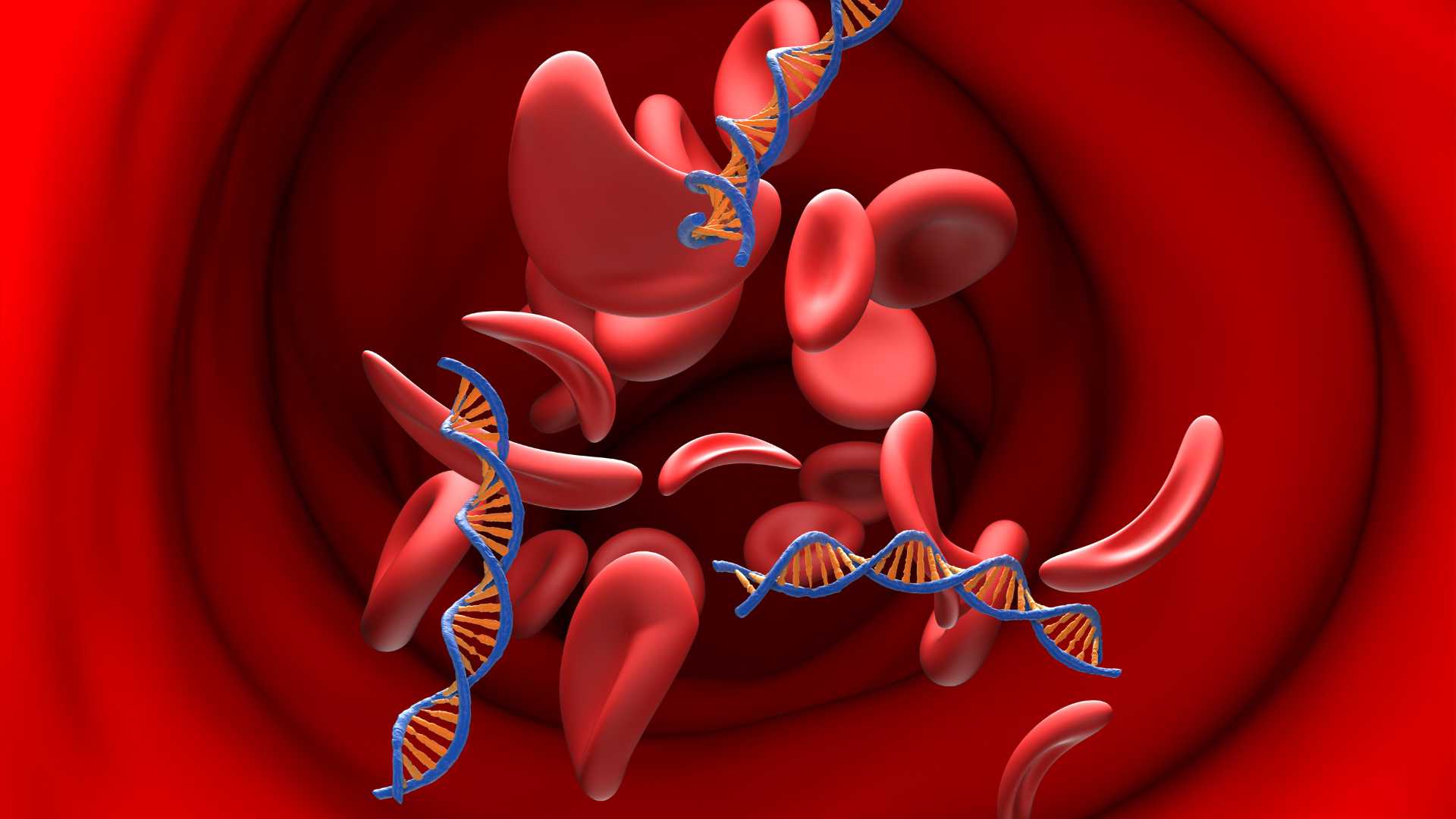
Revolutionary Cell Therapy Offers Hope for Frail Elderly

New cell therapy treatment shows potential in improving physical endurance and health in elderly individuals suffering from frailty.
G
Gopi
4 mins read
Stem Cell Therapy Offers Hope for Treating Age-Related Frailty

Introduction

India's population aged 60+ is projected to reach 20% by 2050, yet frailty — affecting 1 in 4 people over 50 worldwide — remains undiagnosed, unpolicied, and unreimbursable in India's health system. A landmark 2025 international trial now suggests frailty may be biologically treatable through mesenchymal stem cell therapy, opening a new frontier in geriatric medicine.

"The bigger challenge today is to ensure that those who live, in whatever circumstances, are able to do so with dignity and independence."

IndicatorData
Global frailty prevalence (50+)1 in 4 persons
India's 60+ population by 2050~20%
Improvement in walk test (highest dose)+60m / ~20% over baseline
TrialCRATUS Phase IIb; published Cell Stem Cell, March 2025
TherapyLomecel-B (laromestrocel) — Longeveron
Serious side effects reportedNone
Phase III statusPending

Background & Context

Frailty is a state of accelerated biological ageing marked by reduced endurance, slower recovery, and heightened vulnerability to illness, falls, and surgical complications. Unlike diabetes or hypertension, frailty has no standard treatment protocol and is largely invisible in clinical records, insurance claims, and public health policy. India's health infrastructure remains oriented toward acute illness — leaving a rapidly ageing population without preventive geriatric care.


Key Concepts

Frailty: Not a single disease but cumulative biological decline — driven by chronic inflammation, muscle loss, vascular ageing, immune dysfunction, and long-term stress. Strong predictor of hospitalisation and mortality.

Mesenchymal Stem Cells (MSCs): Naturally found in bone marrow and fat tissue. Biologically versatile — differentiate into bone, cartilage, or muscle; release anti-inflammatory molecules; do not strongly activate the recipient's immune system (critical safety advantage for frail elderly).

Vascular Niche Hypothesis: Researchers suspect laromestrocel dampens inflammation around small blood vessels — a region increasingly implicated in ageing-related decline. Participants showed lower inflammatory biomarker levels post-treatment.


Scientific Significance

The CRATUS Phase IIb trial is significant for three reasons. First, it targets accelerated biological ageing itself — not merely its consequences. Second, it demonstrates improvement (not just stabilisation) in physical endurance — a rare outcome in ageing research. Third, MSCs avoid immunosuppressive drug requirements, making them safer for elderly patients.

However, researchers have been careful to note that the mechanism of action remains unclear, Phase III trials are pending, and regulatory approval — including CDSCO bridging trials for India — remains uncertain.


India-Specific Implications

Gap AreaCurrent Status
Frailty in clinical recordsRarely documented
Ayushman Bharat coverageHospital-based only; frailty not reimbursable
National Programme for Health Care of ElderlyLimited reach; geriatric clinics scarce in district hospitals
Frailty assessment toolsSeldom used by healthcare workers
Medical educationAgeing consequences treated as inevitable
Stem cell regulationICMR guidelines restrict use to approved clinical trials

Elderly patients enter hospitals already physiologically fragile — facing higher surgical risk, longer stays, and greater complication rates. Even modest improvement in pre-hospital resilience could significantly reduce system-wide burden.


ICMR's Role & Regulatory Caution

India's stem cell history carries a complicated legacy of unregulated clinics offering unproven cures — exploiting vulnerable patients. ICMR's strict guidelines limiting stem cell use to approved trials are therefore essential, not obstructive. The path forward is ICMR-led bridging trials evaluating laromestrocel's efficacy specifically in Indian populations — assessing falls reduction, surgical recovery, and quality-of-life outcomes across India's diverse demographic and nutritional contexts.


Policy Imperatives

  • Geriatric mainstreaming: Integrate frailty screening into Ayushman Bharat and NPCHE; make frailty a reimbursable condition.
  • District-level geriatric clinics: Expand beyond tertiary centres; train ASHA/ANM workers in basic frailty assessment tools.
  • Medical education reform: Include geriatric medicine and frailty science as core curriculum components.
  • ICMR-led trials: Initiate bridging trials for laromestrocel and similar therapies with Indian cohorts.
  • Regulatory pathway: CDSCO to develop a clear, expedited but rigorous pathway for geriatric biologic therapies.

Conclusion

India stands at a demographic inflection point — ageing faster than its health system is prepared to handle. The CRATUS trial offers not a cure but a direction: frailty is biologically modifiable, and longevity without dignity is an incomplete achievement. India must simultaneously invest in geriatric health infrastructure, reform insurance coverage, and build a regulated stem cell research ecosystem — transforming ageing from an inevitable decline into a manageable transition. The goal is not merely longer lives, but lives lived with independence.

Quick Q&A

Everything you need to know

Frailty is a medical condition characterised by accelerated biological ageing, where the body’s resilience to stress declines significantly. Unlike normal ageing, which involves gradual physiological changes, frailty represents a pathological state marked by reduced endurance, slower recovery, and increased vulnerability to external stressors such as infections or injuries.

From a clinical perspective, frailty is not a single disease but a multifactorial syndrome. It arises due to a combination of factors such as chronic inflammation, sarcopenia (muscle loss), vascular ageing, immune dysfunction, and prolonged stress exposure. This makes it fundamentally different from conditions like diabetes or hypertension, which have identifiable biomarkers and treatment protocols.

In practical terms, frailty manifests in everyday life as reduced mobility, frequent falls, delayed recovery from minor illnesses, and increased dependency. For instance, an elderly individual who takes days to recover from a minor fall or fatigue is likely experiencing frailty rather than just normal ageing. Recognising this distinction is crucial because frailty is increasingly seen as a potentially treatable condition, rather than an inevitable consequence of ageing.

Frailty is a significant public health concern because it directly increases the risk of hospitalisation, disability, post-surgical complications, and premature mortality. As populations age globally, the burden of frailty is expected to rise sharply, making it a critical determinant of healthcare demand and expenditure.

In the Indian context, the issue is particularly pressing due to the rapid demographic transition. By 2050, nearly 20% of India’s population will be above 60 years. Despite this, India’s healthcare system remains largely oriented towards acute care rather than chronic geriatric conditions. Frailty is often underdiagnosed and does not feature prominently in clinical records or insurance frameworks like Ayushman Bharat.

The broader implications include increased economic burden on families, reduced workforce participation of caregivers, and strain on healthcare infrastructure. For example, a frail elderly patient undergoing surgery is more likely to require prolonged hospital stays and intensive care. Therefore, addressing frailty is not just a medical necessity but also a socio-economic imperative for ensuring healthy ageing and reducing inequality in healthcare access.

Mesenchymal stem cells (MSCs) offer a novel therapeutic approach to frailty by targeting its underlying biological mechanisms rather than merely managing symptoms. These cells, found in bone marrow and adipose tissue, have the ability to differentiate into multiple cell types such as bone, cartilage, and muscle, thereby aiding tissue regeneration.

More importantly, MSCs release bioactive molecules that reduce chronic inflammation and promote repair of damaged tissues. Since inflammation plays a central role in frailty, this anti-inflammatory effect is particularly significant. For instance, the CRATUS trial demonstrated that patients receiving MSC therapy showed improved endurance, measured through a six-minute walk test, indicating enhanced physical resilience.

Another key advantage is their low immunogenicity, meaning they do not strongly trigger immune rejection. This reduces the need for immunosuppressive drugs, making them safer for elderly patients. While the exact mechanisms are still under investigation, evidence suggests that MSCs may improve the vascular microenvironment, which is critical for ageing-related decline. Thus, MSC therapy represents a shift towards regenerative and preventive medicine in geriatric care.

Stem-cell therapy holds transformative potential in addressing frailty by targeting its root causes rather than symptoms. The CRATUS trial results, showing nearly 20% improvement in physical endurance, suggest that such therapies could significantly enhance quality of life and independence among the elderly. Additionally, the absence of serious side effects in trials indicates a favourable safety profile.

However, there are important limitations and concerns. First, the current evidence is based on phase II trials, which involve limited sample sizes. Larger phase III trials are necessary to establish long-term efficacy and safety. Second, the exact mechanism of action remains unclear, raising questions about reproducibility and standardisation. Third, the high cost of stem-cell therapies could exacerbate healthcare inequalities, particularly in developing countries like India.

Ethical and regulatory challenges also persist. India has previously witnessed the proliferation of unregulated stem-cell clinics offering unproven treatments. This underscores the need for strict oversight by bodies like the ICMR and CDSCO. In conclusion, while stem-cell therapy is promising, it must be approached with scientific caution, regulatory vigilance, and equitable access considerations.

Consider a hypothetical case of a 75-year-old individual in India suffering from frailty, characterised by recurrent falls, reduced mobility, and prolonged recovery after minor illnesses. Under the current healthcare system, treatment would largely focus on managing individual symptoms, such as physiotherapy for mobility or medication for associated conditions.

With the introduction of stem-cell therapy, particularly mesenchymal stem cells, the treatment paradigm could shift towards enhancing physiological resilience. As observed in the CRATUS trial, such therapy could improve endurance and reduce inflammation, enabling the patient to regain a degree of independence. This would not only improve quality of life but also reduce the need for frequent hospital visits and long-term caregiving.

At a systemic level, integrating such therapies into public health programmes could reduce healthcare costs associated with prolonged hospitalisation and post-surgical complications. However, this would require robust clinical validation, regulatory approval, and inclusion in schemes like Ayushman Bharat. Thus, the case highlights both the transformative potential and the implementation challenges of advanced therapies in India’s geriatric care landscape.

The need to strengthen geriatric healthcare policies in India arises from the dual challenge of a rapidly ageing population and the emergence of new medical interventions like stem-cell therapy. Current policies, including the National Programme for Health Care of the Elderly (NPHCE), have limited reach and are insufficient to address the growing burden of age-related conditions like frailty.

Moreover, India’s healthcare system is heavily skewed towards curative and hospital-based care, as seen in schemes like Ayushman Bharat. Preventive measures such as frailty screening, early diagnosis, and functional assessments are largely neglected. This results in late-stage interventions, higher healthcare costs, and poorer outcomes.

With the advent of therapies targeting biological ageing, there is an urgent need to reorient policies towards preventive and regenerative healthcare. This includes training healthcare workers in geriatric assessment, expanding geriatric clinics, and integrating new treatments into insurance frameworks. Strengthening policies will ensure that advancements in medical science translate into equitable and accessible healthcare outcomes for India’s elderly population.

Attribution

Original content sources and authors

Sign in to track your reading progress

Comments (0)

Please sign in to comment

No comments yet. Be the first to comment!