
1. Context: Emergence of Nipah Virus Cases in West Bengal
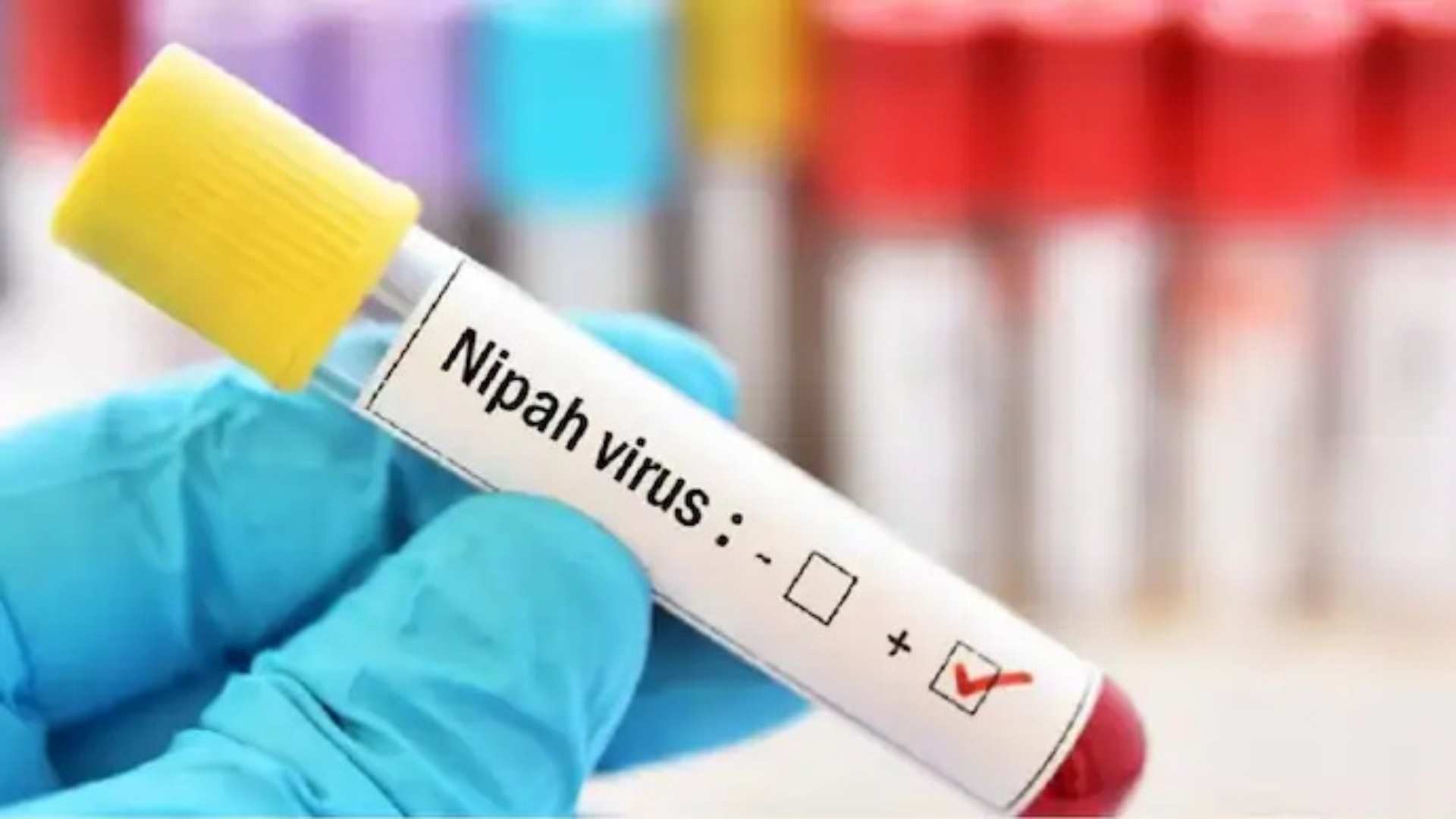
On January 11–12, 2026, two healthcare workers in North 24 Parganas, West Bengal, tested positive for the Nipah virus.
Both cases were detected and treated at AIIMS-Kalyani, prompting immediate contact tracing across multiple districts.
Nipah virus is a highly infectious zoonotic pathogen with high mortality, requiring urgent containment measures to prevent community transmission.
Early detection of such cases is critical to safeguard public health, maintain healthcare system integrity, and avert potential economic and social disruption.
Effective governance in public health relies on swift identification, containment, and coordination; delays can exponentially increase outbreak risks.
2. Issue: Public Health Response and Risk Management
The West Bengal government activated protocols including patient isolation, contact tracing, and helpline dissemination while urging calm and hygiene compliance.
Privacy considerations were maintained, with patient details undisclosed to prevent stigma and misinformation.
The Union Health Ministry deployed a national joint outbreak response team, integrating expertise from AIIMS-Kalyani, National Institute of Virology (Pune), National Institute of Epidemiology (Chennai), All India Institute of Health and Public Hygiene (Kolkata), and the Department of Wildlife.
Impacts:
- Rapid mobilisation reduces risk of spread to multiple districts.
- Ensures specialised technical and epidemiological support is available immediately.
Coordination between central and state institutions ensures containment efficiency; ignoring this could overwhelm local health systems and cause panic.
3. Institutional and Technical Framework
The outbreak response illustrates India’s multi-layered public health governance: State leadership with central technical support.
Key institutions provide complementary functions: AIIMS-Kalyani manages clinical care, NIV and NIE handle virology and epidemiology, and wildlife authorities address zoonotic vectors.
"Given the serious nature of Nipah, a coordinated national response is essential to safeguard public health." — Union Health Ministry
The integration of medical, epidemiological, and environmental expertise exemplifies a One Health approach for zoonotic disease control.
Multi-institutional engagement improves surveillance, treatment, and outbreak containment; absence of such collaboration increases systemic vulnerability.
4. Surveillance and Containment Strategies
Contact tracing covered North 24 Parganas, Nadia, and Purba Bardhaman districts based on patients’ travel history.
Helplines and public advisories aim to ensure community compliance and mitigate panic.
Policy Measures:
- Rapid isolation and treatment of confirmed cases.
- District-level surveillance and monitoring.
- Public risk communication and misinformation management.
Epidemiological logic dictates that breaking chains of transmission early is critical; lax surveillance can escalate local outbreaks into national emergencies.
5. Ethical and Governance Considerations
Patient privacy and ethical communication are crucial during high-fatality outbreaks to maintain public trust.
Authorities balanced transparency with confidentiality to prevent stigma while promoting adherence to health advisories.
Challenges:
- Protecting individual rights while ensuring public safety.
- Managing information dissemination without causing undue panic.
- Coordinating multiple agencies under a unified operational framework.
Ethical governance ensures public cooperation; failure to maintain trust can reduce compliance and impede outbreak management.
6. Way Forward: Strengthening Health Systems
The Nipah cases underscore the need for sustained investment in infectious disease preparedness, rapid diagnostic infrastructure, and inter-agency coordination.
Establishing permanent outbreak response protocols and training healthcare workers in high-risk zones can enhance resilience.
Recommendations:
- Institutionalise Centre–State rapid response teams.
- Strengthen One Health surveillance integrating human, animal, and environmental health.
- Promote public awareness campaigns on zoonotic disease risks and hygiene practices.
Proactive preparedness and system strengthening reduce the likelihood of widespread outbreaks and maintain public confidence in governance.
Conclusion
The West Bengal Nipah cases demonstrate the critical importance of rapid detection, multi-institutional coordination, and ethical public health governance.
Strengthening epidemiological surveillance, outbreak response infrastructure, and risk communication is essential for resilient health systems capable of mitigating future zoonotic threats.