
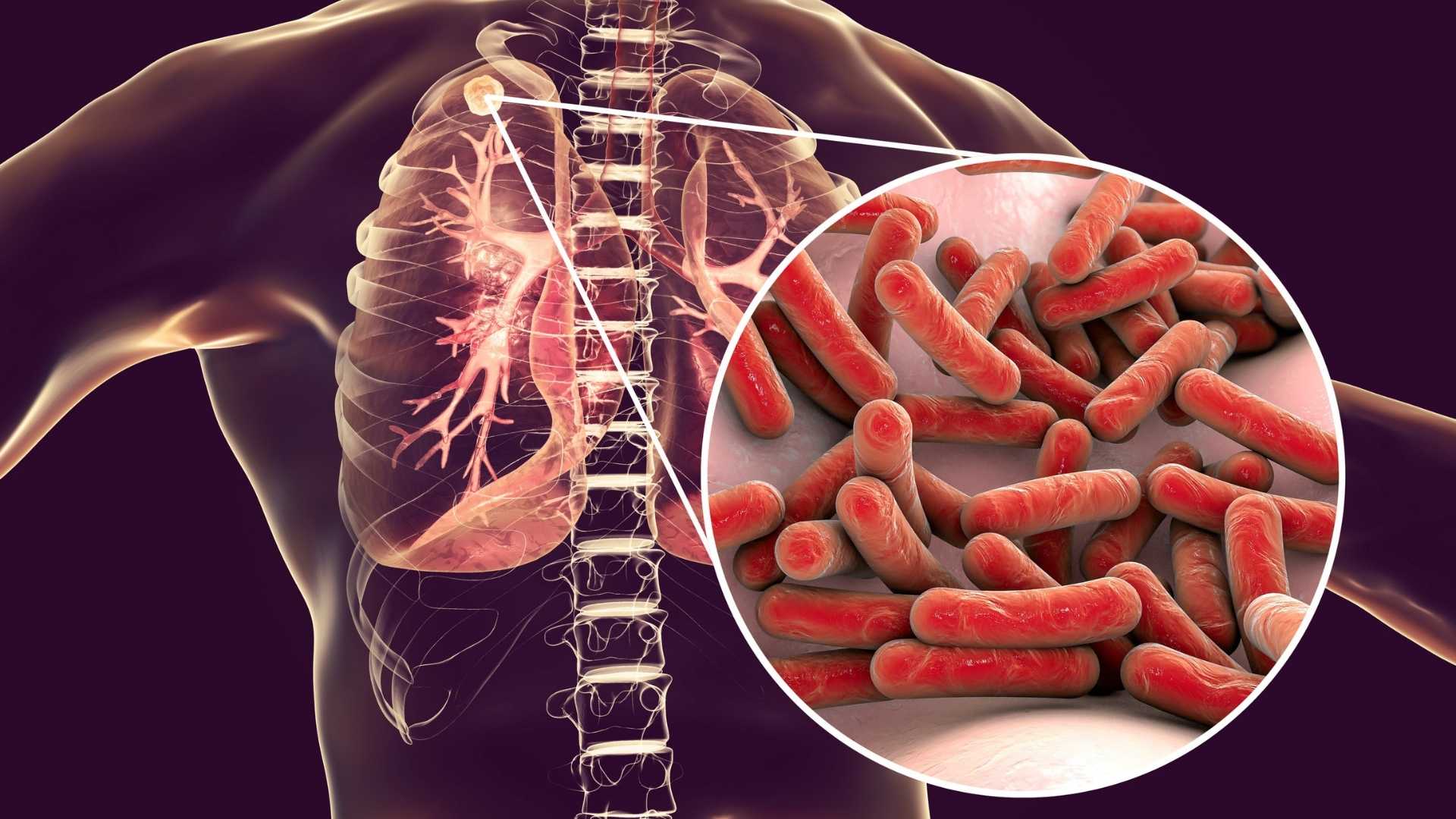
Advancements in Tuberculosis Diagnostics: A New Era

Strengthening TB testing infrastructure with innovative technologies is crucial for effective elimination and better health outcomes.
GopiGopi
3 mins read
Innovative diagnostics are key to early detection and TB elimination

Introduction

Tuberculosis (TB) remains one of the world’s deadliest infectious diseases, causing about 10.6 million cases and 1.3 million deaths globally (WHO, 2023). India accounts for nearly 28% of the global TB burden, making it central to global elimination efforts. Recent WHO recommendations on near point-of-care (NPOC) molecular tests, tongue swabs, and sputum pooling mark a significant shift in diagnostics. Strengthening early, accessible, and accurate diagnosis is critical to achieving India’s target of TB elimination by 2025.


Background and Context

  • TB is both a medical and socio-economic disease, linked to poverty, malnutrition, and overcrowding.
  • India’s National TB Elimination Programme (NTEP) has transitioned from conventional methods to advanced diagnostics.
  • The last decade has seen rapid innovation, adoption, and scale-up of diagnostic technologies.

Evolving TB Diagnostic Landscape

  • India earlier relied on sputum smear microscopy, which had low sensitivity and no drug-resistance detection.
  • Introduction of CBNAAT (2016) and Truenat (2020) marked a shift to molecular diagnostics.
  • WHO now recommends NPOC-NAAT, enabling decentralized and faster testing.

Comparison of TB Diagnostic Methods

MethodAdvantagesLimitations
Sputum MicroscopyLow cost, simpleLow sensitivity, no drug resistance detection
CBNAAT/TruenatRapid, detects resistanceInfrastructure dependent
NPOC-NAATDecentralized, fasterNeeds scale-up and validation
AI-enabled CXRMass screening, non-invasiveRequires follow-up confirmatory tests

Role of AI and Portable Technologies

  • Portable Chest X-rays (CXR) with AI enable large-scale, community-level screening.

  • Used in Pradhan Mantri TB Mukt Bharat Abhiyaan through mobile vans.

  • AI facilitates opportunistic screening in hospitals by flagging suspicious cases.

  • Benefits:

    • Early detection, even in asymptomatic individuals
    • Reduced dependence on radiologists
    • Increased outreach in rural and tribal areas

Key Innovations and WHO Recommendations

  • NPOC Molecular Tests: Enable testing at primary healthcare level
  • Tongue Swabs: Useful for children and those unable to produce sputum
  • Sputum Pooling: Improves testing efficiency at scale

These innovations collectively create a “diagnostic toolbox” approach rather than a single solution.


Challenges in TB Diagnosis

  • Uneven access to molecular testing across regions

  • Weak sample collection and transport systems, especially in remote areas

  • Delays in drug-resistance testing and treatment initiation

  • High attrition in diagnostic cascade

  • Special challenges:

    • Asymptomatic TB detection remains inadequate
    • Pediatric TB diagnosis is difficult due to low bacterial load
    • Extra-pulmonary TB (EP-TB) is costly and complex to diagnose

Research and Innovation Priorities

  • Development of biomarkers for predicting TB progression
  • Non-sputum based diagnostics (e.g., saliva-based tests)
  • Improved tools for childhood TB diagnosis (e.g., stool testing)
  • Cost-effective diagnostics for EP-TB, including AI-enabled ultrasound

Governance and Policy Imperatives

  • Strengthen diagnostic network optimisation for efficient tool deployment
  • Ensure 100% NAAT testing before treatment initiation
  • Streamline innovation assessment and procurement via ICMR and HTA frameworks
  • Enhance public-private collaboration for wider access
  • Invest in community awareness and demand generation

WHO emphasises: “Early diagnosis is the single most critical intervention in reducing TB transmission.”


Implications for Public Health

  • Early diagnosis reduces:

    • Disease severity and mortality
    • Transmission in communities
    • Long-term lung damage
  • Economic benefits:

    • Lower out-of-pocket expenditure
    • Reduced productivity losses
  • Strengthens India’s progress towards SDG Goal 3 (Good Health and Well-being)


Conclusion

India’s expanding TB diagnostic ecosystem represents a paradigm shift from reactive to proactive healthcare. However, technology alone is insufficient without systemic strengthening, equitable access, and community engagement. A robust, evidence-based, and decentralized diagnostic framework can act as a powerful lever in accelerating India’s journey towards TB elimination while reinforcing the broader public health system.


UPSC Mains Question (15 Marks, 250 words)

“Advancements in TB diagnostics have transformed disease detection, yet challenges persist in achieving universal access and early diagnosis.” Critically examine India’s evolving TB diagnostic landscape and suggest measures to strengthen it.


Quick Q&A

Everything you need to know

Recent Advancements in TB Diagnostics: The past decade has witnessed a transformational shift in TB diagnostics, driven by technological innovation and policy adoption. The World Health Organization (WHO) has recently recommended near point-of-care (NPOC) molecular tests, which enable faster and decentralized diagnosis. Additionally, innovations such as tongue swab sampling and sputum pooling strategies aim to improve accessibility and efficiency, especially in large-scale screening programmes.

Integration of AI and Imaging: One of the most significant breakthroughs is the use of portable chest X-ray (CXR) machines integrated with Artificial Intelligence (AI). In India, under the National TB Elimination Programme (NTEP), mobile vans equipped with AI-enabled CXR are used for active case finding in communities. This reduces dependence on specialized radiologists and allows real-time interpretation of results, thereby improving early detection rates.

Shift Towards a Diagnostic Toolbox Approach: The diagnostic landscape is no longer reliant on a single method like sputum microscopy. Instead, it now comprises a diverse toolbox of molecular tests, imaging technologies, and non-sputum-based methods. This shift enables a more person-centered, accessible, and efficient diagnostic cascade, crucial for accelerating TB elimination efforts in India.

Importance of Early Diagnosis: Early and accurate diagnosis is fundamental to controlling TB because it directly impacts treatment outcomes, transmission rates, and overall disease burden. When TB is detected early, patients can begin treatment before the disease progresses to severe stages, thereby reducing complications and long-term lung damage.

Public Health Implications: From a public health perspective, delayed diagnosis leads to continued transmission within communities. TB is an infectious disease, and undiagnosed individuals can unknowingly spread it to others. Early diagnosis, therefore, plays a crucial role in breaking the chain of transmission, particularly in densely populated areas like urban slums.

Economic and Social Benefits: Timely diagnosis also reduces out-of-pocket expenditure for affected families by minimizing the need for prolonged or advanced treatment. For example, decentralized molecular testing and AI-enabled screening can reduce the need for multiple hospital visits. Thus, early diagnosis is not only a medical necessity but also a social and economic imperative for achieving TB elimination.

Role of AI in TB Detection: Artificial Intelligence has emerged as a powerful tool for augmenting diagnostic capacity, particularly in resource-constrained settings. AI algorithms integrated with digital chest X-rays can rapidly identify abnormalities suggestive of TB, reducing dependence on trained radiologists and minimizing diagnostic delays.

Portable and Community-Based Screening: The deployment of portable CXR machines in mobile vans has enabled active case finding in remote and underserved areas. Under initiatives like the Pradhan Mantri TB Mukt Bharat Abhiyaan, these tools bring diagnostic services directly to communities, ensuring greater coverage. For instance, individuals who might not visit hospitals due to accessibility or stigma issues can now be screened locally.

Opportunistic Screening and System Efficiency: AI also enables opportunistic screening by analyzing X-rays taken for other medical reasons in hospitals. This increases the likelihood of detecting asymptomatic or incidental TB cases. However, to maximize benefits, health systems must ensure capacity building, integration with molecular testing, and efficient referral mechanisms, creating a seamless diagnostic pathway.

Progress and Potential: India has made significant strides in scaling up molecular diagnostics such as CBNAAT and Truenat, which offer higher sensitivity and the ability to detect drug resistance. Decentralization of these technologies has improved access, especially in urban areas.

Persistent Challenges: Despite progress, several barriers remain. Access to molecular testing is still uneven across regions, particularly in rural and hard-to-reach areas. Weak sputum collection and transportation systems hinder timely testing, especially for vulnerable populations such as the elderly and disabled. Additionally, delays in test turnaround time and limited capacity for second-line drug resistance testing affect treatment initiation.

Systemic and Operational Constraints: Challenges also include inadequate human resources, logistical inefficiencies, and fragmented coordination between public and private sectors. Moreover, reliance on sputum samples excludes certain groups like children. Therefore, achieving universal access requires strengthening infrastructure, improving logistics, integrating new diagnostic methods, and enhancing health system capacity.

Addressing Diagnostic Gaps: Innovative diagnostic approaches are essential for reaching populations that are traditionally underserved or difficult to diagnose. For instance, the introduction of tongue swab samples offers a non-invasive alternative for individuals who cannot produce sputum, such as children and elderly patients.

Case Examples: In India, mobile vans equipped with AI-enabled chest X-rays have been deployed in tribal and urban slum areas, significantly improving case detection rates. Similarly, pilot studies in other countries have explored the use of stool samples for diagnosing TB in children, addressing the challenge of low bacillary load.

Emerging Innovations: For extra-pulmonary TB, which is difficult to diagnose, new approaches such as AI-enabled portable ultrasound combined with molecular testing are being tested globally. These examples highlight how tailored diagnostic strategies can improve equity and ensure that no population is left behind in TB control efforts.

Diagnostic Network Optimization: Designing an effective TB diagnostic network requires a multi-layered and integrated approach. At the primary level, I would deploy near point-of-care molecular tests and portable diagnostic tools to ensure accessibility. At secondary and tertiary levels, advanced diagnostic facilities would handle complex cases, including drug-resistant TB.

Integration and Efficiency: A key focus would be on strengthening sputum collection and transportation systems, ensuring timely sample transfer and result delivery. Integration of AI-enabled screening with molecular testing would create a seamless diagnostic cascade. Additionally, leveraging private sector capacity through public-private partnerships would enhance coverage.

Policy and Sustainability: The network would be supported by robust data systems, continuous monitoring, and evidence-based decision-making. Investments in training healthcare workers and community awareness would ensure effective utilization. Such a system would be accessible, efficient, and person-centered, accelerating progress towards TB elimination in India.

Attribution

Original content sources and authors

Sign in to track your reading progress

Comments (0)

Please sign in to comment

No comments yet. Be the first to comment!