1. Context: Innovation in Biomedical Optics and Public Health Relevance
Researchers at IIT Madras have secured a patent for an optics-based technique that detects blood clot formation by measuring changes in reflected light from implant surfaces. The innovation offers a precise method to assess how blood interacts with foreign materials used in medical devices.
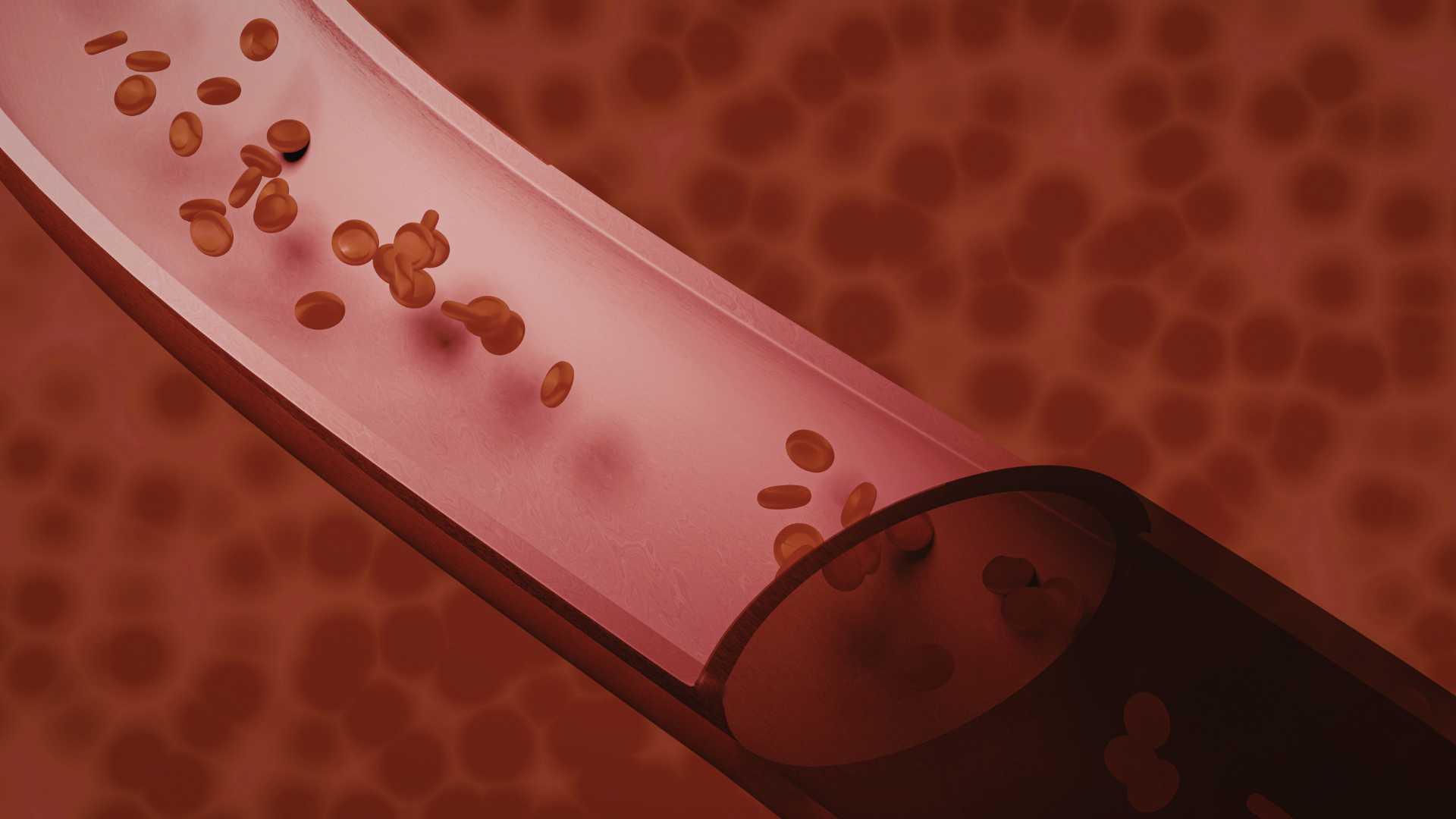
Haemocompatibility—the ability of a material to interact with blood without triggering adverse reactions such as clotting—is a critical parameter in the development of implants like stents, heart valves and catheters. Poor haemocompatibility can lead to thrombosis, posing serious risks to patients post-surgery.
The patented technique quantitatively measures clotting time by detecting minute changes in surface reflectivity when blood contacts the implant. This enables high-precision assessment, even at the level of milliseconds, offering a significant improvement over existing techniques.
From a governance and development perspective, such indigenous technological advancements strengthen India’s biomedical research ecosystem, reduce import dependence, and enhance patient safety standards.
If haemocompatibility assessment remains imprecise, clot-related complications may persist, increasing healthcare costs and mortality. Technological innovation in medical diagnostics thus directly contributes to public health security and health system efficiency.
GS Linkages:
- GS 3: Science and Technology – Innovations in medical technology
- GS 2: Health – Quality and affordability of healthcare
- Essay: Technology as a force multiplier in healthcare
2. The Problem: Limitations of Conventional Clot Testing Methods
When blood comes into contact with a foreign surface, it naturally initiates clotting. Therefore, measuring the exact time taken for clot formation over implant materials is essential during product development and clinical planning.
Currently, two conventional methods are widely used:
- Mechanical tilting method
- Free haemoglobin method
However, these methods lack high precision and may not adequately capture subtle differences between materials. As thrombosis remains a persistent challenge despite advancements in biomedical devices, the limitations of existing diagnostic tools hinder optimal device design.
"Despite several technological advancements in biomedical devices, issues related to thrombosis remain a persistent challenge." — Subhashree Mishra
The absence of precise clotting measurements may lead to inadequate material screening and improper post-operative anticoagulant dosing strategies.
Inadequate testing frameworks can compromise patient outcomes and undermine regulatory standards. Improving diagnostic precision is therefore integral to strengthening both medical innovation and patient safety governance.
GS Linkages:
- GS 3: Role of Science & Technology in improving health outcomes
- GS 2: Regulatory frameworks for medical devices
3. The Optics-Based Solution: Mechanism and Scientific Basis
The IIT Madras team developed a photonics-based approach to measure blood clotting time. The method leverages the reflective surface of implant materials and tracks changes when blood begins clotting.
When clotting starts, the surface becomes turbid, altering reflectivity. This change is detected by a highly sensitive photodetector connected to the system. The reflectivity variation triggers a voltage change, and the time taken for this voltage shift corresponds precisely to clotting time.
Key Features:
- Measures clotting time with millisecond precision
- Non-mechanical and optics-based
- Highly sensitive and quantitative
The study describing the technique was published in the journal Review of Scientific Instruments, indicating peer-reviewed scientific validation.
This approach enhances objectivity and reproducibility in haemocompatibility testing, thereby improving material screening processes at the research and manufacturing stages.
Precision measurement technologies reduce uncertainty in biomedical device development. If diagnostic tools remain coarse, manufacturers may fail to differentiate between materials that appear similar but behave differently in real biological environments.
GS Linkages:
- GS 3: Emerging technologies (Optics, Photodetectors, Biomedical engineering)
- Prelims: Haemocompatibility, Thrombosis, Biomedical device testing
4. Implications for Medical Device Industry and Healthcare Governance
The patented technology is currently at the initial stage of discussions with manufacturers. It can enable quantitative screening of materials during early research phases.
Impacts on Industry:
- Improved screening of implant materials
- Ability to distinguish subtle differences in clot behavior
- Reduced clot-related complications in patients
By improving haemocompatibility testing, the innovation can:
- Reduce post-surgical complications
- Improve titration of anti-coagulation drugs
- Lower long-term healthcare costs
In the context of India’s growing medical device sector and the push for “Atmanirbhar Bharat” in health technologies, such patents enhance domestic innovation capacity.
If industry adoption is slow or regulatory integration weak, the innovation may remain confined to academia. Effective translation from lab to market is crucial for public health impact.
GS Linkages:
- GS 3: Innovation ecosystem and industry-academia collaboration
- GS 2: Public health systems and patient safety
5. Potential Wider Applications: Water Purity and Industrial Use
Beyond biomedical applications, the researchers indicate that with modifications in substrate design, the same optical principle can detect trace impurities in water.
Since the technique measures reflectivity changes due to surface alterations, it can be adapted to identify turbidity or impurity-induced surface interactions in water testing systems.
Potential Applications:
- Detection of trace impurities
- Industrial water quality monitoring
- Environmental testing
This demonstrates the dual-use nature of scientific innovation—where technology developed for healthcare can also contribute to environmental governance and water safety.
In a country facing persistent water quality challenges, cost-effective and precise impurity detection systems can strengthen public health infrastructure and regulatory monitoring.
Technologies with cross-sectoral applications enhance economic viability and scalability. Ignoring such adaptability may limit the broader developmental returns from scientific research.
GS Linkages:
- GS 3: Environmental monitoring technologies
- GS 2: Safe drinking water and public health
- Prelims: Turbidity, Optical sensing techniques
6. Institutional Significance: Research, Patents and Innovation Ecosystem
The granting of a patent signals intellectual property recognition and commercialization potential. It reflects strengthening research output in Indian higher education institutions.
Key Governance Dimensions:
- Promotes university-industry collaboration
- Encourages translational research
- Strengthens India’s patent culture
- Contributes to knowledge economy
India’s long-term development strategy increasingly relies on innovation-driven growth. Patents in high-precision medical diagnostics represent movement toward value-added scientific contributions rather than low-cost manufacturing alone.
Without institutional support for patenting and commercialization, scientific breakthroughs may fail to generate economic or social value. Strengthening innovation ecosystems is therefore central to sustainable development.
GS Linkages:
- GS 3: Intellectual Property Rights (IPR)
- GS 3: Science & Technology policy
- Essay: Innovation and national development
Conclusion
The IIT Madras optics-based clot detection technique represents a convergence of physics, biomedical engineering and public health. By improving precision in haemocompatibility testing and offering potential applications in water purity assessment, the innovation highlights the transformative potential of interdisciplinary research.
In the long run, effective integration of such technologies into industry and regulatory systems can enhance patient safety, strengthen India’s medical device sector, and reinforce science-led development pathways.