Introduction
Globally, congenital anomalies are among the major causes of childhood illness. According to the World Health Organization (WHO), congenital conditions account for a significant proportion of neonatal morbidity. Early screening and modern surgical technologies are therefore crucial for improving child health outcomes.
Global and India Context: Congenital Anomalies
| Indicator | Global Situation | India Situation | Source |
|---|---|---|---|
| Newborn deaths due to congenital disorders | ~240,000 deaths annually within the first 28 days | Data varies by condition; congenital anomalies are among the leading causes of neonatal mortality | WHO |
| Share of kidney & urinary tract anomalies | ~20–30% of prenatal abnormalities detected in ultrasound | Similar trend observed in prenatal screenings in Indian hospitals | Medical studies |
| Annual births | ~130 million births globally each year | ~25 million births annually | UN / Government of India |
| Children born with birth defects | Millions globally affected each year | ~1.7 million children affected annually | March of Dimes |
India carries a large share of the global burden of birth defects due to its high birth rate, making early screening and pediatric healthcare systems critical for child health policy.
“Prevention is better than cure.” — Desiderius Erasmus
This principle underpins modern approaches to prenatal screening and pediatric healthcare.
Importance of Antenatal Screening
Antenatal ultrasound has become an essential tool in maternal and child healthcare.
| Aspect | Significance |
|---|---|
| Early detection | Identifies congenital abnormalities before birth |
| Monitoring | Enables continuous tracking of fetal development |
| Timely treatment | Allows early medical or surgical intervention |
| Parental counselling | Helps families prepare for possible treatment |
In many cases, abnormalities detected during pregnancy may resolve naturally as the child develops.
Hydronephrosis: Most Common Prenatal Finding
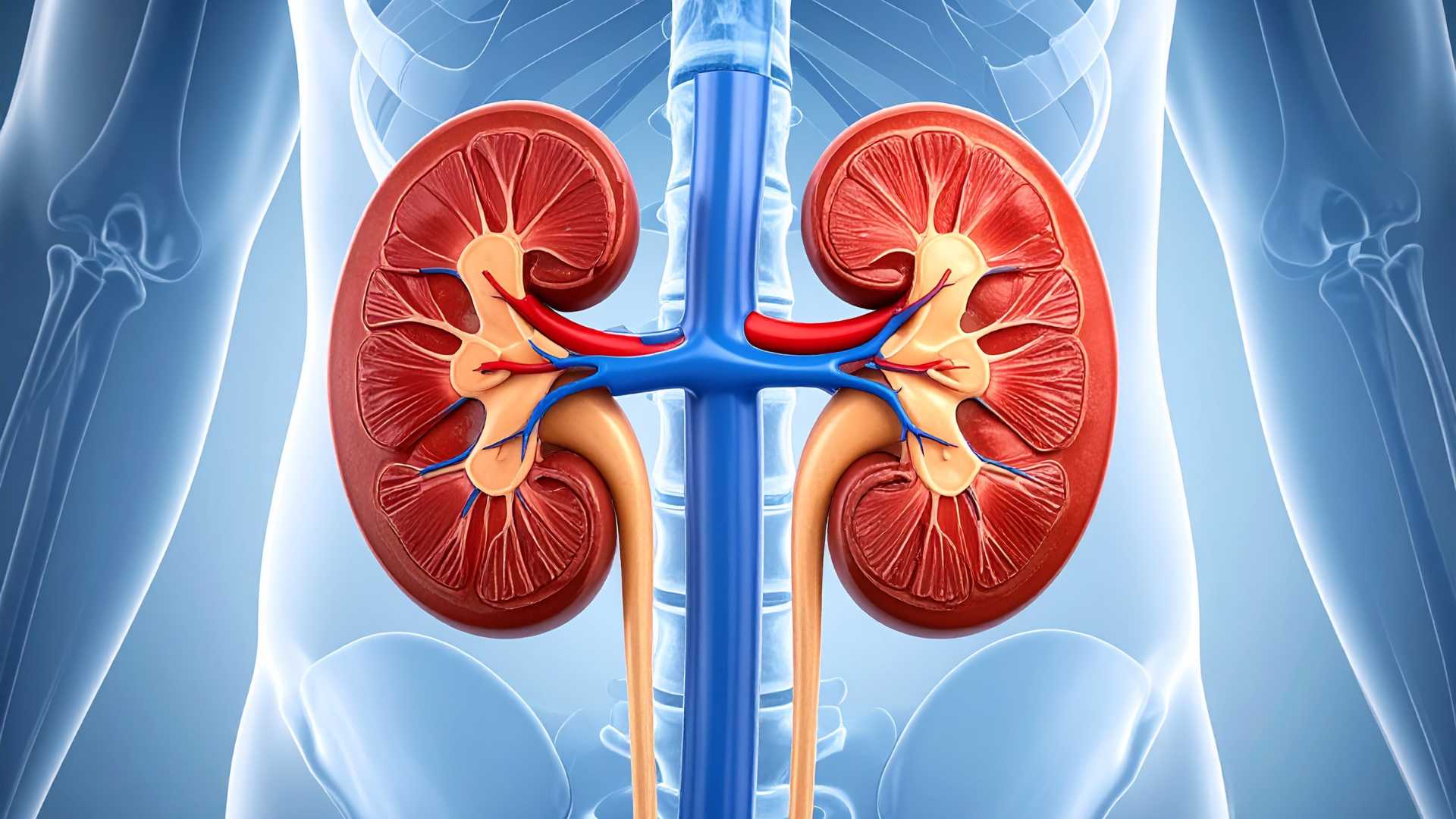
One of the most commonly detected kidney conditions in prenatal scans is hydronephrosis, which refers to dilation of the renal pelvis.
| Feature | Details |
|---|---|
| Nature | Enlargement of the kidney’s urine-collecting region |
| Detection | Antenatal ultrasound |
| Outcome | Often resolves naturally after birth |
| Management | Monitoring through follow-up scans |
Doctors frequently adopt a “watchful waiting” approach, since many cases improve without medical intervention.
Posterior Urethral Valves (PUV)
Some congenital conditions may require early medical intervention.
| Aspect | Explanation |
|---|---|
| Condition | Posterior Urethral Valves |
| Occurrence | Only in male infants |
| Cause | Obstructive tissue in urethra |
| Impact | Urine backup causing pressure on kidneys |
| Treatment | Endoscopic removal using cystoscopy |
Modern pediatric urology uses minimally invasive endoscopic techniques, reducing recovery time and complications.
Vesicoureteral Reflux (VUR)
Recurrent urinary infections in children may indicate vesicoureteral reflux, where urine flows backward toward the kidneys.
| Feature | Explanation |
|---|---|
| Cause | Weak valve between ureter and bladder |
| Symptom | Recurrent urinary tract infections |
| Risk | Kidney damage if untreated |
Treatment Methods
| Method | Description |
|---|---|
| Endoscopic injection | Gel placed to prevent urine backflow |
| Laparoscopic surgery | Corrects position of ureter |
These techniques ensure short hospital stays and faster recovery.
Pelviureteric Junction (PUJ) Obstruction
In older children, a blockage between the kidney and ureter may cause pain.
| Feature | Description |
|---|---|
| Age group | Often seen in children aged 5–15 years |
| Symptom | Pain in the side or back |
| Treatment | Surgical correction |
Role of Advanced Surgical Technology
Modern pediatric surgery increasingly uses robot-assisted procedures, offering several advantages.
| Benefit | Explanation |
|---|---|
| Precision | 3D magnified surgical view |
| Minimal incisions | Reduced scarring |
| Faster recovery | Shorter hospital stays |
These innovations represent a major shift toward child-friendly and minimally invasive healthcare.
Comparison: Traditional vs Modern Pediatric Surgery
| Parameter | Traditional Surgery | Modern Techniques |
|---|---|---|
| Incision size | Large cuts | Small keyhole incisions |
| Recovery time | Longer | Faster |
| Hospital stay | Extended | Short |
| Surgical precision | Limited | High |
Medical technology has thus improved treatment outcomes significantly.
Relevance for Public Health Policy
Early diagnosis and treatment of congenital kidney disorders contribute to broader health goals.
| Public Health Impact | Outcome |
|---|---|
| Reduced kidney damage | Improved child health |
| Lower infection rates | Better quality of life |
| Early intervention | Prevention of chronic kidney disease |
India’s healthcare policies emphasise maternal and child health screening programmes, which play a vital role in detecting congenital conditions early.
Policy Relevance in India
India has introduced several programmes aimed at improving child health.
| Programme | Objective |
|---|---|
| Rashtriya Bal Swasthya Karyakram (RBSK) | Early detection of birth defects and childhood diseases |
| National Health Mission | Strengthening maternal and child healthcare |
| Ayushman Bharat | Expanding access to affordable treatment |
These initiatives support early screening and specialised pediatric care.
Conclusion
Advances in prenatal screening and minimally invasive surgery have transformed the management of congenital kidney disorders in children. Early diagnosis allows doctors to monitor and treat conditions before they become severe, significantly improving long-term health outcomes.
Strengthening antenatal care, expanding access to pediatric surgical technology, and improving public health programmes will be critical in ensuring healthier childhood development.
“The greatest wealth is health.” — Virgil