
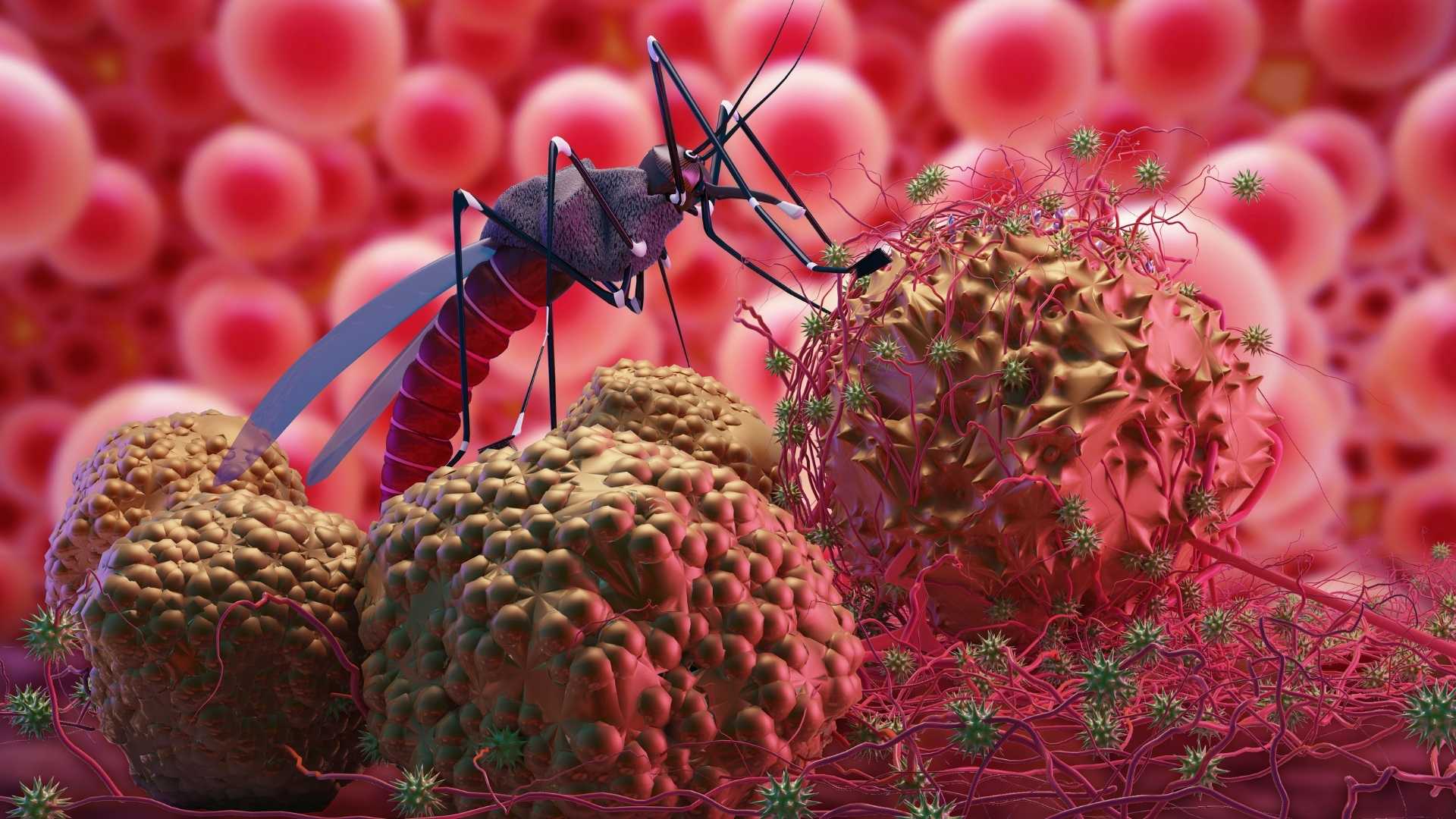
Tamil Nadu Nears Malaria-Free Milestone: Cases Plunge by Over 90% Since 2015

33 Districts Report Zero Cases as Health Authorities Intensify Surveillance, Targeting Complete Elimination by 2030
GopiGopi
4 mins read
Decline of malaria cases in Tamil Nadu: 5,587 in 2015 to 321 in 2025 across 38 districts
Not Started

Tamil Nadu Malaria Reduction: Progress, Policies, and Way Forward


1. Decline in Malaria Cases: Context and Significance

Tamil Nadu has achieved a remarkable decline in malaria incidence: from 5,587 cases in 2015 to 321 cases in 2025. Of its 38 districts, 33 reported zero malaria cases, indicating the effectiveness of targeted interventions and systematic surveillance.

The remaining five Category I districts—Chennai, Chengalpattu, Ramanathapuram, Thoothukudi, and Salem—continue to report malaria cases, requiring focused attention to achieve complete elimination.

Sustaining this progress is critical. Any lapse in surveillance or preventive measures may trigger a resurgence, particularly in urban centers and districts with high migrant populations.

Governance logic: Targeted monitoring and district-level categorization allow efficient resource allocation, ensuring elimination efforts are strategic, measurable, and sustainable.

  • Statistics:

    • 2015 malaria cases: 5,587
    • 2025 malaria cases: 321
    • Districts with zero cases: 33/38
    • Category I districts: 5

2. Disease Understanding and Surveillance

Malaria is caused by Plasmodium parasites transmitted by Anopheles mosquitoes. The two predominant species in India are:

  • Plasmodium vivax (P. vivax)
  • Plasmodium falciparum (P. falciparum)

Understanding species-specific characteristics is vital, as they influence treatment, relapse potential, and drug resistance management.

Tamil Nadu’s surveillance strategy includes:

  • Diagnosis and treatment at Primary Health Centres (PHCs)
  • Close monitoring of patients post-treatment
  • Village-level preventive visits by health workers
  • Intensive monitoring of migrant populations from malaria-endemic regions

Governance logic: Integrating disease biology with proactive surveillance ensures early detection, prevents outbreaks, and supports sustainable elimination.

  • Impacts:

    • Reduced morbidity and mortality
    • Minimized cross-district transmission via migrants
    • Enhanced cure rates through species-specific treatment

3. Policy and Institutional Mechanisms

Tamil Nadu’s malaria elimination aligns with national and global frameworks:

  • National Vector-Borne Disease Control Programme (NVBDCP): Central program guiding malaria elimination strategies
  • World Health Organization (WHO) & National Centre for Disease Control (NCDC): Set India’s malaria elimination target for 2030

State institutions involved:

  • Directorate of Public Health and Preventive Medicine: Data collection, planning, and monitoring
  • Primary Health Centres (PHCs): Diagnosis, treatment, and patient follow-up
  • Health workers for on-the-ground preventive actions

The upcoming National Seminar on “Eliminating Malaria from Tamil Nadu” (Jan 19–21) will review progress and coordinate strategies.

Governance logic: Effective coordination between state, central, and global institutions ensures policy execution; lack of collaboration risks fragmented interventions and delayed elimination.

  • Policy measures:

    • Category-wise district interventions
    • Grassroots surveillance via PHCs
    • Migrant population monitoring
    • National-level review and strategy alignment

4. Challenges and Strategic Focus

Despite progress, persistent malaria cases remain in Category I districts due to:

  • High urban population density
  • Migrant influx from endemic areas
  • Environmental and vector-related factors

Sustained efforts are needed in:

  • Diagnostics and treatment delivery
  • Vector control and sanitation
  • Community awareness and engagement

Governance logic: Without sustained interventions in high-risk districts and migrant populations, gains are reversible and malaria elimination targets could be jeopardized.

  • Challenges:

    • Persistent cases in urban and coastal districts
    • Migrant and transient populations increasing transmission risk
    • Need for continued vector control and community education

5. Way Forward

To consolidate achievements and aim for complete elimination:

  • Intensify surveillance and preventive measures in Category I districts
  • Monitor migrant populations for early case detection
  • Conduct regular review meetings with NVBDCP and NCDC
  • Strengthen PHC capacity for diagnosis, treatment, and follow-up
  • Use national seminars for knowledge sharing and strategic alignment

Governance logic: Achieving zero malaria in all districts demonstrates effective coordination among state, national, and global institutions, contributing to public health resilience and sustainable development.

  • Key measures for success:

    • Targeted interventions in high-risk districts
    • Cross-sector coordination for vector control and sanitation
    • Continuous community engagement and awareness
    • Systematic monitoring of program outcomes

References :

  • Directorate of Public Health and Preventive Medicine, Tamil Nadu
  • National Vector-Borne Disease Control Programme (NVBDCP)
  • World Health Organization (WHO)
  • National Centre for Disease Control (NCDC)

Quick Q&A

Everything you need to know

The data from the Directorate of Public Health and Preventive Medicine indicates a significant decline in malaria cases in Tamil Nadu over the past decade. In 2015, the state recorded 5,587 malaria cases, while in the most recent year, the number dropped drastically to 321 cases. This demonstrates a sustained reduction of over 90%, reflecting successful public health interventions.

Of the 38 districts in Tamil Nadu, 33 districts reported zero malaria cases, showing that elimination efforts are working effectively at the district level. The remaining five districts—Chennai, Chengalpattu, Ramanathapuram, Thoothukudi, and Salem—have been classified under ‘Category I’ for the last three years, indicating persistent surveillance and targeted control measures to achieve zero cases. These trends suggest that Tamil Nadu is on a trajectory to meet the malaria elimination targets set by the National Centre for Disease Control (NCDC) and the World Health Organization (WHO).

Malaria elimination in Tamil Nadu is significant because it contributes directly to India’s broader public health objective of malaria elimination by 2030, as set by the WHO and NCDC. As one of the southern states with a history of malaria prevalence, Tamil Nadu serves as a model for other regions in the country. Achieving zero malaria districts demonstrates the effectiveness of surveillance, treatment, and preventive strategies that can be replicated nationally.

Moreover, elimination of malaria has broader socio-economic implications. It reduces morbidity and mortality, lowers healthcare costs, and improves productivity. The state’s progress also strengthens India’s credibility in meeting international health commitments under the Sustainable Development Goals (SDGs), particularly Goal 3.3, which aims to end the epidemics of malaria and other communicable diseases.

Tamil Nadu employs a multi-pronged approach to malaria control, combining surveillance, treatment, and community engagement. The health department conducts intensive disease detection at primary health centres (PHCs), ensuring that diagnosed patients receive complete treatment and are closely monitored. Health workers also visit malaria-affected villages to educate residents, perform preventive interventions, and monitor vector breeding sites.

Additionally, migrant workers from neighbouring states are monitored carefully, recognizing that population movement can contribute to malaria transmission. Regular entomological surveillance and vector control measures, such as indoor residual spraying and distribution of insecticide-treated nets, complement these efforts. The upcoming National Seminar on 'Eliminating Malaria from Tamil Nadu' and review meetings by the National Vector-Borne Disease Prevention Programme provide platforms to evaluate progress, share best practices, and reinforce state-wide coordination for elimination.

Several factors have contributed to Tamil Nadu’s remarkable decline in malaria cases. First, robust surveillance and early diagnosis have ensured timely detection and treatment of malaria cases, preventing further transmission. The state has strengthened its primary healthcare infrastructure to track, test, and manage patients efficiently.

Second, targeted vector control measures—including monitoring breeding sites, use of insecticides, and community awareness programs—have reduced the population of Anopheles mosquitoes, the primary malaria vector. Third, special focus on vulnerable populations, such as migrant workers from high-incidence regions, has minimized importation of malaria cases.

Finally, policy support through state and national programs, continuous monitoring, and data-driven interventions have created a feedback loop that allows for quick corrective action, ensuring sustained reduction in cases.

Challenges:

  • Residual pockets: Five districts—Chennai, Chengalpattu, Ramanathapuram, Thoothukudi, and Salem—still report malaria cases, often due to urban density, migrant population inflow, or environmental conditions conducive to mosquito breeding.
  • Vector resistance: Emergence of insecticide-resistant mosquitoes or drug-resistant Plasmodium strains could compromise elimination efforts.
  • Population mobility: Migration from endemic regions can reintroduce malaria, requiring continuous monitoring and cross-state coordination.

Opportunities:
  • Use of technology for real-time surveillance and mapping of cases can enhance targeted interventions.
  • Public-private partnerships can strengthen vector control and community engagement.
  • Successful elimination in most districts provides a replicable model for high-risk districts, reinforcing policy and program confidence.

Overall, while challenges exist, sustained surveillance, innovative interventions, and strong governance can enable Tamil Nadu to achieve complete malaria elimination.

One effective intervention has been the door-to-door surveillance and monitoring of migrant workers. Recognizing that population movement from endemic regions can lead to malaria outbreaks, health workers visit migrant settlements to screen for symptoms, test for malaria parasites, and provide immediate treatment if required. This proactive approach has helped prevent re-introduction of malaria in districts that had achieved zero cases.

Another example is the intensive community engagement and vector control in PHCs. Health workers educate villagers on preventing mosquito breeding, distribute insecticide-treated nets, and conduct indoor residual spraying in high-risk areas. These combined interventions contributed to 33 districts achieving zero malaria cases, showcasing how targeted, evidence-based strategies can drive disease elimination.

The Tamil Nadu model offers several lessons for other states. First, a strong surveillance and monitoring system is critical. Real-time tracking of cases, especially in high-risk areas and among migrant populations, allows for timely interventions and prevents outbreaks.

Second, integrating vector control, community participation, and primary healthcare infrastructure ensures that interventions are comprehensive and sustainable. Health workers play a pivotal role in educating communities, monitoring breeding sites, and ensuring treatment adherence.

Third, periodic review meetings and seminars, like the National Seminar on Eliminating Malaria from Tamil Nadu, foster coordination among central and state authorities, enabling data-driven policy decisions. Replicating these strategies in other states, tailored to local ecological and socio-economic conditions, can accelerate India’s goal of malaria elimination by 2030.

Attribution

Original content sources and authors

Sign in to track your reading progress

Comments (0)

Please sign in to comment

No comments yet. Be the first to comment!