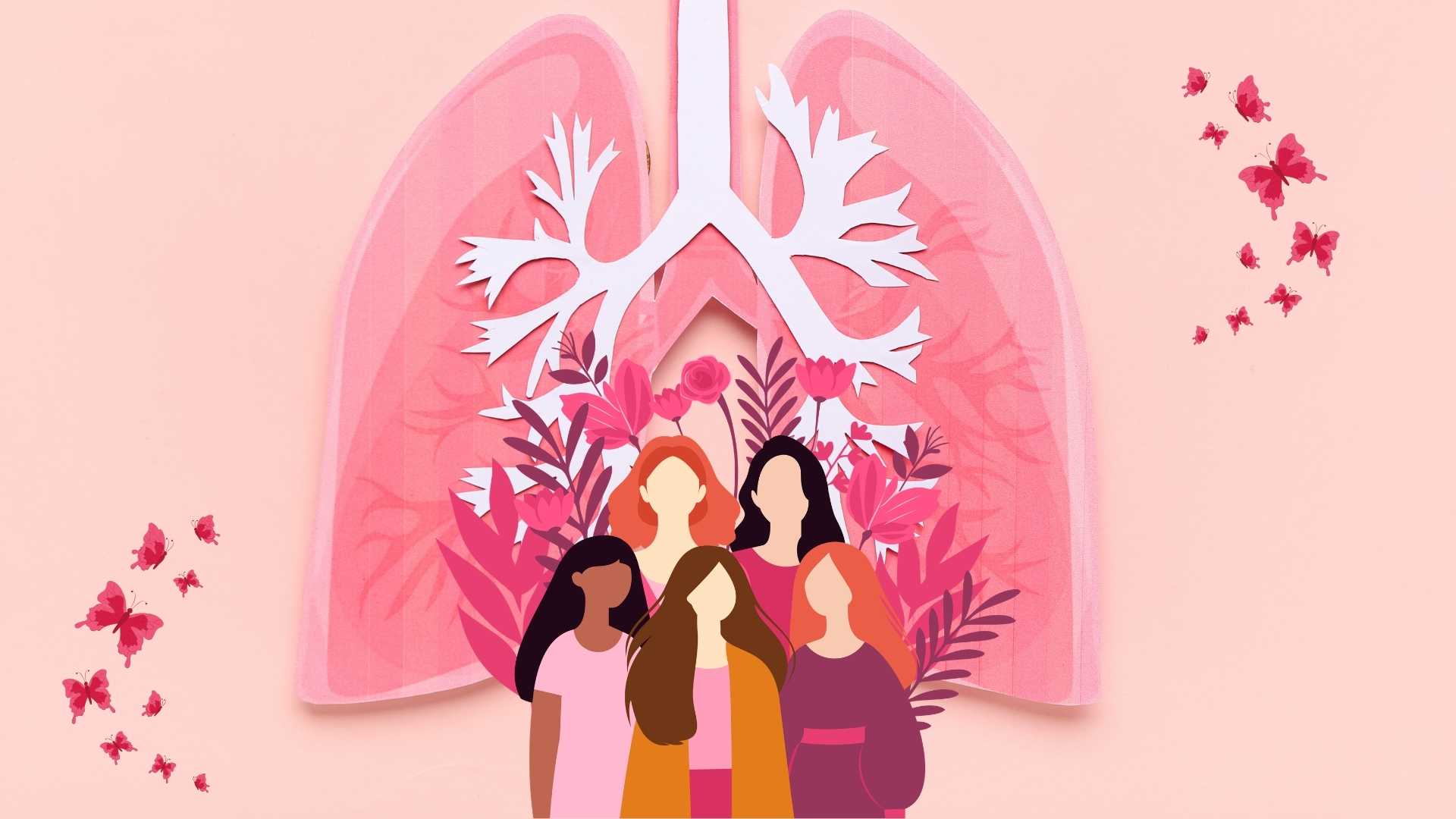
Women and Tuberculosis in India: A Struggle Against Stigma
Introduction
- Tuberculosis (TB) remains a major public health challenge, with India accounting for over 25% of global TB cases (WHO Global TB Report 2025).
- In 2024, India reported ~2.7 million cases and over 3 lakh deaths, though incidence declined by 21% since 2015.
- While men constitute 54% of cases, women (35%) face disproportionate social, economic, and healthcare barriers.
- TB in India is thus not merely a biomedical issue but a gendered socio-economic challenge with human rights implications.
Background and Context
- TB is an infectious disease caused by Mycobacterium tuberculosis, primarily affecting lungs (pulmonary TB), but also other organs (extrapulmonary TB).
- India aims to eliminate TB by 2025, ahead of the global SDG target of 2030.
- Despite improvements in detection and treatment, gender disparities persist in diagnosis, care, and outcomes.
Gendered Dimensions of TB in India
Social Stigma and Discrimination
-
TB is associated with fear, contagion myths, and social exclusion.
-
Women face:
- Abandonment by spouses and families
- Reduced marriage prospects
- Social isolation and loss of support systems
-
Even educated and financially independent women are not immune.
Economic and Nutritional Vulnerability
-
Limited access to financial resources restricts treatment adherence.
-
Women suffer from:
- Undernutrition (leading TB risk factor in India)
- Gender-based food insecurity
- Higher nutritional needs (pregnancy, lactation)
Healthcare Access and Autonomy
-
Patriarchal norms limit women's decision-making power.
-
Barriers include:
- Restricted mobility
- Delayed healthcare-seeking
- Prioritisation of family over personal health
Clinical and Diagnostic Challenges
Differences in Disease Presentation
-
Women often exhibit non-specific symptoms:
- Fever, fatigue instead of classic cough
-
Leads to:
- Misdiagnosis
- Delayed detection
Diagnostic Inequality
| Aspect | Men | Women |
|---|---|---|
| Bacteriological confirmation | Higher | Lower |
| Clinical diagnosis (symptom/X-ray based) | Lower | Higher |
| Detection rate | Higher | Lower |
| Male:Female confirmed cases ratio | 3:1 | — |
- Reliance on symptom-based screening disadvantages women.
Extrapulmonary TB (EPTB)
-
More common among women.
-
Includes:
- Lymphatic TB
- Genital TB (linked to infertility, menstrual issues)
-
Challenges:
- Non-specific symptoms
- Limited diagnostic infrastructure
- Concentration of treatment in tertiary centres
Health System and Treatment Gaps
Delayed Diagnosis and Treatment Interruptions
-
Women often:
- Hide symptoms due to stigma
- Discontinue treatment during pregnancy
-
Results in:
- Increased mortality
- Drug-resistant TB
Post-TB Health Complications
-
Nearly 50% of survivors develop Post-TB Lung Disease (PTLD):
- Chronic cough, breathlessness
- Increased risk of COPD
Capacity Constraints
- Limited awareness among healthcare providers on EPTB.
- Lack of updated training and decentralised care systems.
Government Initiatives and Policy Measures
| Initiative | Key Features |
|---|---|
| National TB Elimination Programme (NTEP) | Free diagnosis and treatment |
| Gender-responsive TB framework (2019) | Focus on women’s vulnerabilities |
| TB Mukt Bharat Abhiyaan (2024) | AI-based screening, community participation |
| Nutritional support schemes (Nikshay Poshan Yojana) | Direct benefit transfers for patients |
Technological Interventions
- Use of AI-powered chest X-rays for early detection of subclinical TB.
- Targeting high-risk groups (HIV, diabetes, elderly).
Role of TB Survivors and Civil Society
-
Survivors can:
- Provide peer counselling and psychosocial support
- Reduce stigma through awareness
- Improve programme implementation
-
Example: TB activists advocating for patient rights and support systems.
Key Challenges
- Persistent social stigma and gender discrimination
- Underdiagnosis of women due to atypical symptoms
- High burden of undernutrition and anaemia
- Limited focus on mental health support
- Inadequate decentralisation of EPTB care
- Weak integration of gender-sensitive approaches in policy implementation
Way Forward
- Strengthen gender-sensitive healthcare delivery
- Expand community-based screening and awareness
- Improve nutritional support and financial assistance
- Decentralise diagnosis and treatment of EPTB
- Integrate mental health services into TB care
- Enhance training of healthcare workers on gender-specific symptoms
- Promote survivor-led advocacy and support networks
Conclusion
- TB in India reflects the intersection of health, gender, and socio-economic inequalities.
- Achieving TB elimination requires moving beyond biomedical solutions to address structural barriers faced by women.
- A holistic, gender-responsive, and rights-based approach is essential to ensure equitable healthcare access and sustainable public health outcomes.
UPSC Mains Question (250 words)
- “Tuberculosis in India is not merely a medical issue but a socio-economic and gendered challenge.” Critically examine with reference to the barriers faced by women in TB diagnosis, treatment, and recovery.
Attribution
Original content sources and authors
Syllabus classification
How this article maps to GS papers
Main syllabus
GS2HealthcareQuick Q&A
What are the key gender-specific dimensions of tuberculosis (TB) in India?
Healthcare-related disparities:
- Women often experience delayed or missed diagnosis due to non-specific symptoms like fatigue and fever
- They are more likely to be diagnosed clinically rather than through bacteriological confirmation
- Higher prevalence of extrapulmonary TB (EPTB), which is harder to detect
For instance, cases like Rekha and the woman doctor from Maharashtra illustrate how TB can disrupt education, careers, and personal relationships. These examples highlight that TB in women is not just a medical issue but a multi-dimensional challenge involving human rights, gender equity, and social justice.
Thus, addressing TB in India requires a gender-sensitive approach that accounts for both biological and socio-economic vulnerabilities.
Why does tuberculosis-related stigma disproportionately affect women in India?
Key reasons include:
- Marriage prospects: TB is wrongly associated with poor health and infertility, reducing a woman’s chances of marriage
- Economic dependency: Many women lack financial autonomy, making them vulnerable if abandoned
- Social conditioning: Women are expected to prioritize family over personal health, delaying treatment
For example, Rekha’s decision to avoid marriage and the abandonment of a female doctor by her husband illustrate how stigma transcends class and education. Even financially independent women are not immune.
Implications: This stigma leads to delayed diagnosis, poor treatment adherence, and worsened health outcomes. It also raises serious concerns about gender justice and access to healthcare.
Addressing stigma requires community awareness, gender-sensitive policies, and inclusion of TB survivors in advocacy efforts.
How do biological and socio-economic factors contribute to delayed diagnosis of TB among women?
Socio-economic barriers:
- Restricted mobility: Women may not be allowed to seek healthcare independently
- Lack of awareness: Limited health literacy leads to underreporting of symptoms
- Household responsibilities: Women continue domestic work despite illness
Additionally, diagnostic bias exists where healthcare providers rely more on verbal screening, which may fail to detect TB in women. Data shows that men are more likely to receive bacteriological confirmation, whereas women are often diagnosed clinically.
A case in point is Meera Yadav, whose MDR-TB diagnosis was delayed due to lack of proper testing, ultimately leading to severe lung damage.
Consequences: Delayed diagnosis increases disease severity, transmission risk (in pulmonary cases), and long-term complications such as post-tuberculosis lung disease (PTLD).
Thus, improving early detection requires gender-sensitive screening tools, better training of healthcare providers, and enhanced awareness among women.
Critically analyse the effectiveness of government initiatives like TB Mukt Bharat Abhiyaan in addressing gender disparities in TB care.
Strengths:
- Focus on early detection, including subclinical TB
- Integration of technology to improve screening efficiency
- Recognition of gender disparities in policy design
Limitations:
- Poor implementation of gender-responsive measures at grassroots level
- Limited access to EPTB diagnosis, especially in rural areas
- Lack of mental health and psychosocial support for women
For instance, despite policy frameworks, women like Rekha and Meera continue to face stigma and delayed care, indicating a gap between policy intent and on-ground reality.
Critical perspective: While technological interventions improve detection, they do not address deep-rooted socio-cultural barriers such as stigma, gender norms, and economic dependency.
Way forward:
- Strengthen community-level awareness programs
- Include TB survivors in programme implementation
- Ensure gender-sensitive healthcare delivery
Thus, while initiatives are promising, their effectiveness depends on holistic and inclusive implementation.
What role can TB survivors play in improving TB care and reducing stigma? Illustrate with examples.
Key contributions:
- Peer support: Survivors can guide patients through treatment challenges
- Awareness campaigns: Sharing personal stories helps normalize TB and reduce fear
- Policy advocacy: Survivors can highlight gaps in healthcare delivery
For example, Meera Yadav, a drug-resistant TB survivor who lost a lung, now actively advocates for patient rights and improved access to care. Her journey underscores the importance of resilience and systemic reform.
Impact: Survivor involvement can improve treatment adherence, reduce social isolation, and promote early healthcare-seeking behaviour.
Challenges: Many survivors, especially women, hesitate to speak publicly due to stigma. This limits their potential impact.
Way forward: Institutionalizing survivor networks within national TB programmes can enhance both community engagement and policy effectiveness.
Thus, survivors are not just beneficiaries but key stakeholders in TB elimination efforts.
Analyse the case of Rekha or Meera Yadav to highlight the intersection of health, gender, and social stigma in India.
Key issues highlighted:
- Social stigma: Leads to isolation and mental health challenges
- Gender inequality: Women face higher risk of abandonment and reduced autonomy
- Healthcare gaps: Delayed diagnosis and inadequate support systems
These cases demonstrate that TB is not merely a biomedical issue but a social determinant-driven problem. Women’s lack of decision-making power and economic independence exacerbates their vulnerability.
Broader implications: Such experiences deter other women from seeking timely diagnosis and treatment, perpetuating the cycle of disease and stigma.
Lessons for policymakers:
- Integrate mental health and social support into TB care
- Promote gender-sensitive healthcare policies
- Strengthen awareness campaigns to combat stigma
Thus, these case studies underscore the need for a holistic, rights-based approach to TB control in India.
Practice questions
1 question for mains preparation