Supreme Court Clarifies the Distinction Between Euthanasia Types

Justice J.B. Pardiwala elucidates differences between active and passive euthanasia in landmark judgment.
G
Gopi
2 mins read
SC: Dignity Must Prevail Over Futile Life Support

Distinction Between Active and Passive Euthanasia

  • Not merely a difference between acts and omissions.
  • Key difference lies in the source of harm leading to death.

Active Euthanasia

  • Involves introducing a new, external agency of harm (e.g., lethal injection).
  • Death occurs due to the intervention, not the underlying illness.
  • Disrupts the natural progression of the patient’s medical condition.
  • Considered a positive, overt act to end life.
  • Requires explicit legislative authorization to be legally permissible under Article 21.

Passive Euthanasia

  • Involves allowing death to occur by withdrawing or withholding life support.
  • Does not create a new risk of death; death results from the underlying condition.
  • Doctors do not cause the underlying fatal condition.
  • Must not violate the duty of care owed by doctors.
  • Seen as allowing the natural course of a terminal illness without unnecessary prolongation.

Right to Dignity and Life Support

  • The state’s interest in preserving life can be outweighed by a patient’s right to dignity when medical interventions are futile and invasive.
  • Bodily invasion increases while prognosis decreases, creating a tipping point where dignity becomes paramount.
  • Dignity remains sacred even if the patient is unconscious or incompetent.

Prolonged Medical Treatment and Human Dignity

  • Keeping terminally ill patients alive solely due to medical technology may conflict with the constitutional right to dignity.
  • Prolonging inevitable death can cause pain and suffering, infringing on the right to die with dignity.
  • Withdrawal of life support may be justified to prevent unnecessary suffering and respect human dignity.

SUPREME COURT OBSERVATIONS

  • Active euthanasia requires legislative approval.
  • Passive euthanasia can be permissible under strict medical and ethical standards.
  • Human dignity must guide decisions on life support, especially in cases of persistent vegetative state or terminal illness.

Quick Q&A

Everything you need to know

The Supreme Court has clarified that the distinction between active and passive euthanasia goes beyond the simple binary of action versus omission. According to Justice J.B. Pardiwala, the key difference lies in the source of harm that ultimately leads to death.

Active euthanasia involves a deliberate act that directly causes death by introducing a new external agent. For example, administering a lethal injection or other substances intended to end life. In such situations, death does not occur due to the patient’s underlying illness but because of a new intervention that initiates a chain of events leading to death. Therefore, active euthanasia is considered an intentional termination of life through a positive act.

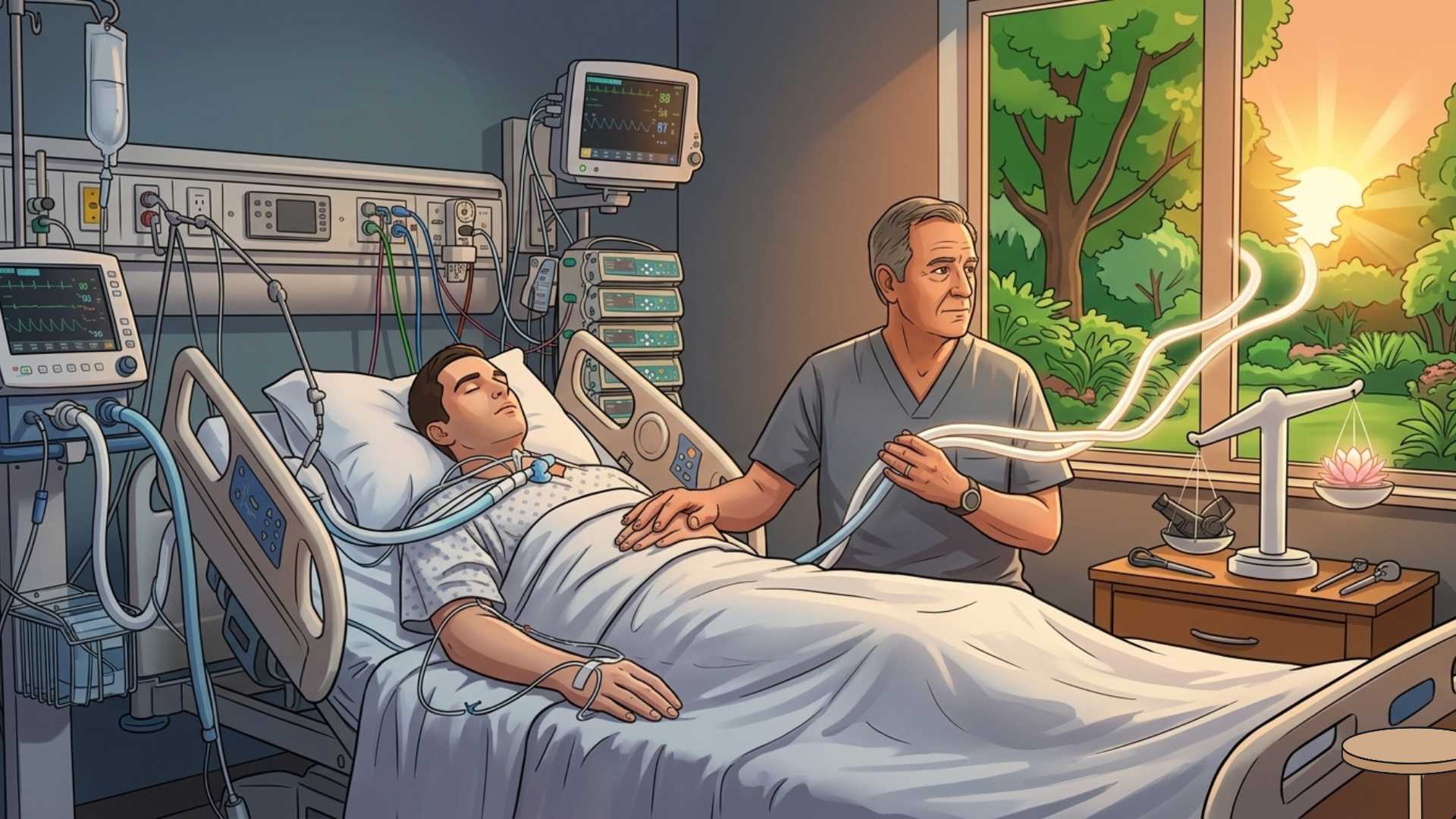
In contrast, passive euthanasia refers to allowing death to occur naturally by withdrawing or withholding life-sustaining medical treatment. In such cases, doctors do not introduce any new cause of death. Instead, they allow the patient’s underlying medical condition to take its natural course. For example, removing life-support systems like ventilators in cases where recovery is medically impossible. The Supreme Court emphasised that the patient’s illness, not the doctor’s action, remains the primary cause of death.

This distinction is significant in legal and ethical debates because passive euthanasia has been permitted under certain safeguards in India, while active euthanasia requires explicit legislative authorisation. The clarification helps medical professionals, courts, and families navigate complex end-of-life decisions while respecting constitutional values.

The Supreme Court has repeatedly interpreted Article 21 of the Constitution as encompassing not only the right to life but also the right to live—and die—with dignity. In the recent judgment, Justice J.B. Pardiwala emphasised that human dignity does not diminish during the process of dying or after death. Therefore, preserving dignity becomes a crucial constitutional principle when dealing with terminally ill patients or individuals in a persistent vegetative state (PVS).

The Court observed that modern medical technology can artificially prolong life through ventilators, feeding tubes, and other life-support systems. However, mere technological capability does not necessarily align with constitutional morality. If medical interventions become futile, invasive, and incapable of improving the patient’s condition, continuing such treatment may prolong suffering rather than protect life.

The judgment stressed that there is a “tipping point” where the state’s interest in preserving life must become subordinate to the individual’s dignity. For example, a patient who has been brain dead or in a vegetative state for many years may be kept alive solely through machines. In such situations, forcing the continuation of medical treatment may violate the person’s dignity by prolonging an inevitable death.

Thus, the Court highlighted that the constitutional ideal of dignity extends to the end-of-life stage. The recognition of dignity in death ensures that legal and medical systems respect both human autonomy and humane treatment during the final phase of life.

The Supreme Court attempts to strike a delicate balance between two important constitutional principles: the state’s obligation to protect life and the individual’s right to dignity. While the state has a legitimate interest in preserving life, the Court recognised that this interest cannot be absolute, especially in circumstances where medical treatment becomes futile.

Justice J.B. Pardiwala noted that when medical interventions become increasingly invasive while the chances of recovery decline drastically, there arises a “point of precipice”. At this stage, continuing treatment may no longer serve the purpose of saving life but merely prolong suffering. In such situations, the state’s obligation to preserve life must become subservient to the patient’s dignity.

The Court emphasised that decisions regarding withdrawal of life support must be guided by medical expertise, ethical principles, and legal safeguards. For instance, doctors must ensure that withdrawing treatment does not violate their duty of care. Medical boards, consent procedures, and judicial oversight may be required to ensure that the decision is taken responsibly.

A real-world example includes cases of patients who remain in a persistent vegetative state for several years with no realistic possibility of recovery. In such circumstances, allowing passive euthanasia may respect both medical ethics and constitutional values. Through this approach, the Court ensures that life is protected without undermining the dignity and autonomy of the individual.

The debate on euthanasia in India involves complex ethical, legal, and social considerations. While some argue that euthanasia is necessary to protect individual dignity and autonomy, others fear it may lead to misuse or undermine the sanctity of life.

Arguments in favour of euthanasia include:

  • Right to dignity: Terminally ill patients should not be forced to endure prolonged suffering.
  • Autonomy and self-determination: Individuals should have the freedom to decide about their own bodies and medical treatment.
  • Medical realism: When recovery is impossible, continued treatment may only prolong pain.

Arguments against euthanasia include:
  • Sanctity of life: Life is considered sacred and should not be intentionally terminated.
  • Risk of misuse: Vulnerable groups such as the elderly or disabled may face pressure from families.
  • Medical ethics: Doctors are traditionally guided by the principle of preserving life.

India has adopted a cautious approach. The Supreme Court allowed passive euthanasia with safeguards in landmark cases such as the Aruna Shanbaug case (2011) and further expanded the concept through recognition of living wills. However, active euthanasia remains illegal unless Parliament enacts a specific law.

Therefore, the Indian approach attempts to balance ethical concerns, constitutional rights, and the need to prevent misuse. The ongoing debate highlights the importance of clear legal frameworks, strong medical ethics, and institutional safeguards.

The recent Supreme Court judgment involving a 32-year-old man who remained in a persistent vegetative state (PVS) for more than 12 years illustrates the practical application of passive euthanasia in India. The Court upheld the withdrawal of life support, recognising that continuing treatment in such circumstances may not serve the patient’s best interests.

In this case, the patient had suffered severe brain damage and remained unconscious for over a decade. Medical experts concluded that the chances of recovery were extremely remote. The Court examined whether withdrawing life-support systems would amount to an unlawful act. It concluded that removing artificial support would not introduce a new cause of death but would merely allow the patient’s underlying medical condition to take its natural course.

Justice J.B. Pardiwala emphasised that prolonged medical intervention in such cases may become an affront to basic human dignity. Keeping a patient alive indefinitely through machines—when recovery is impossible—may lead to unnecessary suffering and undermine the constitutional ideal of dignity.

The case demonstrates how the judiciary evaluates end-of-life decisions using a combination of medical evidence, ethical reasoning, and constitutional principles. It also highlights the importance of safeguards such as expert medical opinions, family involvement, and judicial oversight.

Overall, the judgment reinforces the principle that passive euthanasia can be legally permissible in India under strict conditions, especially when continuing treatment becomes futile and inconsistent with the dignity of the patient.

Euthanasia laws vary widely across the world, reflecting differences in cultural values, legal systems, and ethical perspectives. Some countries have legalised certain forms of euthanasia or assisted dying under strict conditions, while others prohibit it entirely.

For example, countries such as the Netherlands, Belgium, and Canada permit active euthanasia or physician-assisted dying under regulated circumstances. Patients must typically meet strict eligibility criteria such as terminal illness, unbearable suffering, and informed consent. Multiple medical opinions and legal oversight are often required to prevent misuse.

In contrast, many countries—including India—adopt a more cautious approach. India allows only passive euthanasia, meaning the withdrawal or withholding of life-sustaining treatment in specific situations. This position was shaped by landmark judicial decisions, including the Aruna Shanbaug case and later judgments recognising living wills and advance medical directives.

India’s approach reflects a balance between ethical caution and constitutional rights. By allowing passive euthanasia while prohibiting active euthanasia without legislation, the country attempts to safeguard vulnerable individuals while respecting dignity at the end of life.

The comparison with global practices highlights the evolving nature of this debate. As medical technology advances and societal attitudes change, many countries—including India—continue to reassess their legal and ethical frameworks regarding euthanasia.

Attribution

Original content sources and authors

Sign in to track your reading progress

Comments (0)

Please sign in to comment

No comments yet. Be the first to comment!