Introduction
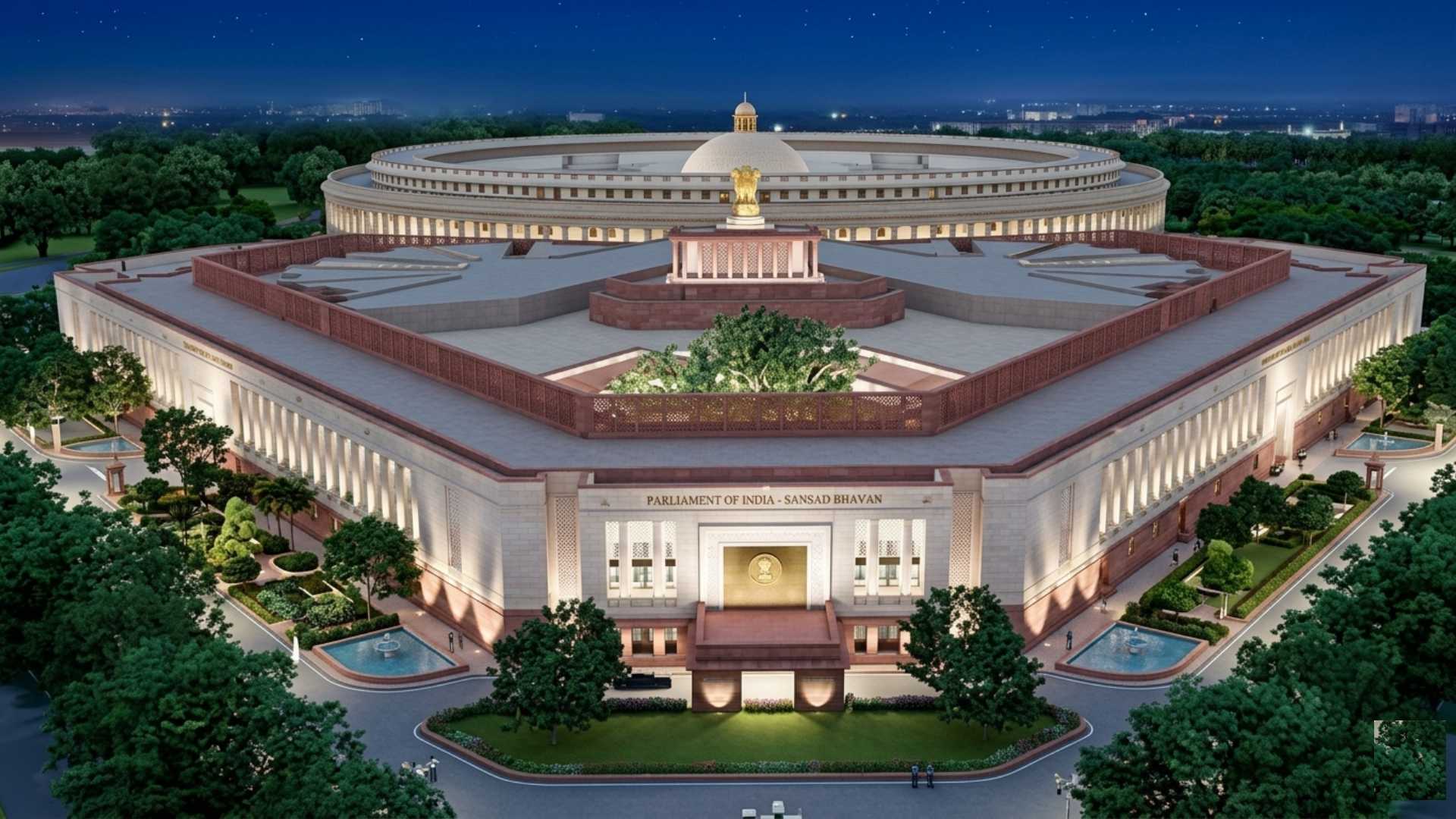
Parliament is the central institution of India’s representative democracy, responsible for legislation, executive accountability, and public debate. According to PRS Legislative Research, the productivity of the Lok Sabha varies widely across sessions, often influenced by disruptions and political conflicts. The recent Lok Sabha resolution seeking the removal of Speaker Om Birla under Article 94(c) highlights growing concerns regarding parliamentary functioning, neutrality of presiding officers, and government–Opposition relations. These developments raise important questions about the institutional health of India’s parliamentary democracy.
1. Constitutional Position of the Speaker
The Speaker of the Lok Sabha is the presiding officer of the House and plays a critical role in maintaining order and ensuring smooth functioning.
Constitutional Provisions
| Article | Provision |
|---|---|
| Article 93 | Election of Speaker and Deputy Speaker |
| Article 94 | Vacation, resignation, and removal of Speaker |
| Article 100 | Voting procedures in Parliament |
| Tenth Schedule | Speaker decides disqualification under anti-defection law |
Removal of the Speaker
Under Article 94(c):
- The Speaker can be removed by a resolution passed by a majority of all the then members of the Lok Sabha.
- 14 days’ notice must be given before moving the resolution.
2. Role and Powers of the Speaker
The Speaker is expected to function as a neutral authority and safeguard the dignity of the House.
Key Functions
| Function | Description |
|---|---|
| Presiding over sessions | Maintains order and discipline |
| Deciding parliamentary procedures | Interprets rules of procedure |
| Certifying Money Bills | Decision is final under Article 110 |
| Disqualification decisions | Under Anti-Defection Law |
| Allocating speaking time | Regulates debates and discussions |
As Pandit Nehru once stated, “The Speaker represents the dignity and freedom of the House.”
3. Recent Controversy in Lok Sabha
The Lok Sabha rejected an Opposition resolution seeking removal of Speaker Om Birla by voice vote.
Key Issues Raised by the Opposition
-
Limited opportunity for Opposition MPs to raise issues.
-
Frequent interruption of speeches.
-
Microphones allegedly switched off during debates.
-
Restrictions on raising sensitive issues such as:
- 2020 India–China standoff
- Adani investigations
- International trade developments.
Government’s Response
The government defended the Speaker’s conduct citing:
| Indicator | Government Claim |
|---|---|
| Zero Hour participation | Opposition received ~56% of time |
| Supplementary questions | Opposition asked 364 vs 321 by NDA MPs |
| Parliamentary productivity | Higher during current tenure |
| Linguistic inclusivity | Debates conducted in 14 regional languages |
4. Broader Context: Decline of Parliamentary Deliberation
Experts highlight that single-party dominance and political polarisation have weakened legislative deliberation.
Key Issues Affecting Parliamentary Functioning
| Issue | Impact |
|---|---|
| Frequent disruptions | Reduced legislative scrutiny |
| Limited debate on bills | Decline in quality of legislation |
| Partisan role of presiding officers | Erosion of neutrality |
| Weak committee scrutiny | Reduced policy oversight |
According to PRS data:
- Several bills in recent years have been passed without detailed discussion.
- Increasing use of voice votes and limited debate.
5. Comparison with Other Parliamentary Democracies
| Country | Speaker’s Political Role |
|---|---|
| United Kingdom | Speaker resigns from party and remains strictly neutral |
| Canada | Speaker remains non-partisan after election |
| India | Speaker usually remains associated with ruling party |
This structural difference sometimes raises questions about perceived neutrality in India.
6. Institutional Importance of Parliamentary Debate
Healthy parliamentary functioning ensures:
- Executive accountability
- Legislative scrutiny
- Representation of diverse voices
- Transparency in policymaking
When debate is curtailed, democratic legitimacy and public trust in institutions decline.
7. Implications for Governance
Democratic Accountability
Opposition participation is essential to check executive dominance.
Institutional Credibility
Perceived bias of presiding officers can weaken Parliament’s legitimacy.
Political Polarisation
Increasing confrontation between government and Opposition may lead to:
- Legislative paralysis
- Decline in cooperative federalism
- Reduced policy consensus
8. Reform Measures
Experts suggest several reforms to strengthen parliamentary functioning.
Possible Solutions
| Reform | Purpose |
|---|---|
| Strengthen neutrality norms for Speaker | Enhance trust in presiding authority |
| More time for Opposition debates | Improve accountability |
| Mandatory committee scrutiny for bills | Improve legislative quality |
| Fixed parliamentary calendar | Ensure regular sessions |
| Code of conduct for MPs | Reduce disruptions |
The National Commission to Review the Working of the Constitution (2002) emphasised the need to strengthen parliamentary institutions and deliberative processes.
Conclusion
Parliament is the cornerstone of democratic governance in India, serving as the primary forum for accountability and public debate. Controversies surrounding the functioning of presiding officers highlight the importance of institutional neutrality, constructive government–Opposition engagement, and robust parliamentary procedures. Restoring the dignity and effectiveness of Parliament requires both the ruling majority and the Opposition to prioritise democratic norms over partisan politics.