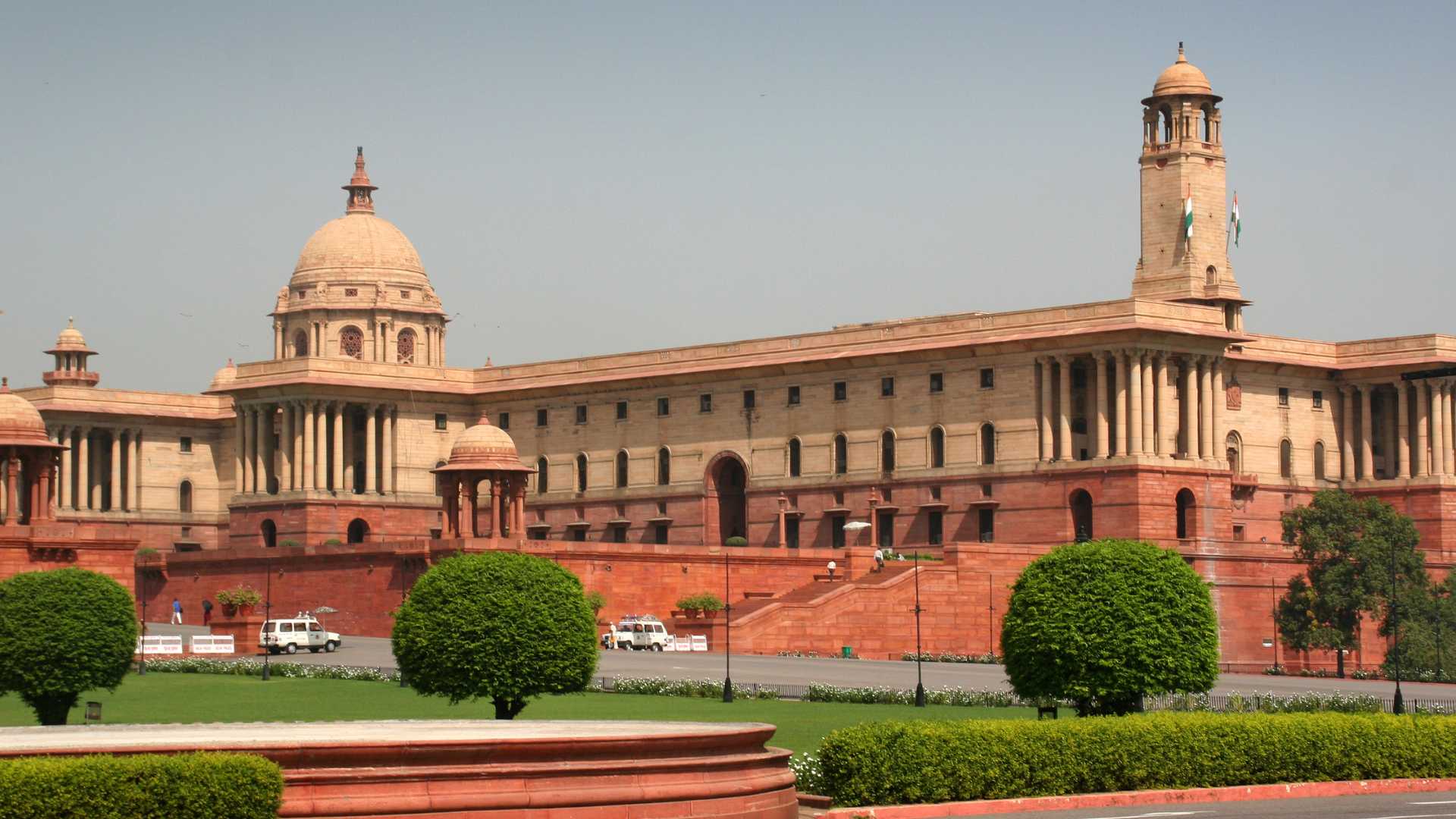
Reevaluating the Role of the Speaker in Indian Parliament

The significance of no-confidence motions against the Speaker and their implications on parliamentary democracy in India.
G
Gopi
3 mins read
Speaker of Lok Sabha: Constitutional Role, Removal Procedure, and Challenges to Impartiality

Importance of the Speaker in Parliamentary Democracy

  • The Speaker is the presiding officer of the Lok Sabha and a key pillar of India’s parliamentary system.
  • Responsible for ensuring orderly conduct of debates and smooth functioning of the House.
  • Safeguards the rights and privileges of Members of Parliament.
  • Maintains balance between the ruling government and the Opposition.
  • Expected to function as an impartial authority above party politics after election.

Major Powers and Functions of the Speaker

  • Presides over Lok Sabha proceedings and maintains order in the House.
  • Interprets and enforces the Rules of Procedure and Conduct of Business.
  • Recognises members to speak during debates.
  • Exercises disciplinary powers to maintain decorum.
  • Certifies whether a bill is a Money Bill under Article 110.
  • Decides on procedural matters affecting legislative debates and outcomes.

REMOVAL OF THE SPEAKER

Constitutional Provision

  • Governed by Article 94(c) of the Constitution of India.
  • The Speaker can be removed by a resolution passed by a majority of all the members of the Lok Sabha (absolute majority).
  • The high threshold ensures stability and independence of the office.

Procedure for Removal

  • A written notice seeking removal is submitted to the Secretary-General of the Lok Sabha.
  • Minimum 14 days’ notice must be given before the motion can be taken up.
  • The motion must have the support of at least 50 members to be admitted for discussion.
  • The charges against the Speaker must be clearly stated in the resolution.
  • The procedure is governed by Rules 200–203 of the Rules of Procedure and Conduct of Business in Lok Sabha.
  • During the debate, the Speaker may participate as a member of the House.
  • The Speaker may vote in the first instance but cannot exercise a casting vote in case of a tie.

PRECEDENTS OF REMOVAL MOTIONS

Historical Instances

  • 1954 – G. V. Mavalankar (first Speaker of Lok Sabha).
  • 1966 – Hukam Singh.
  • 1987 – Balram Jakhar.

Outcome

  • All three motions failed, demonstrating the political and procedural difficulty in removing a Speaker.

SIGNIFICANCE OF A NO-CONFIDENCE MOTION AGAINST THE SPEAKER

Institutional Importance

  • Highlights the accountability of the Speaker to the Lok Sabha.
  • Reinforces that the authority of the Speaker derives from the confidence of the House.
  • Draws attention to concerns regarding the functioning of parliamentary institutions.

Impact on Parliamentary Democracy

  • Allegations of bias can weaken public trust in parliamentary processes.
  • Questions about impartiality can affect cooperation between government and opposition.

CHALLENGES IN THE FUNCTIONING OF THE SPEAKER’S OFFICE

Perceived Politicisation

  • Decisions related to anti-defection law disqualifications often attract allegations of partisan bias.
  • Certification of Money Bills has also been controversial in recent years.

Parliamentary Deadlocks

  • Increasing confrontations between ruling party and opposition disrupt proceedings.
  • Lack of trust in the neutrality of the presiding officer can intensify conflicts.

Weakening of Parliamentary Conventions

  • Traditional norms expecting neutrality from the Speaker are weakening.
  • Political competition increasingly influences procedural decisions.

MEASURES TO STRENGTHEN THE OFFICE OF THE SPEAKER

Reinforcing Institutional Conventions

  • Political parties should reaffirm the principle that the Speaker functions above party lines.

Improving Transparency

  • Clear explanations for procedural rulings and major decisions can reduce allegations of bias.

Encouraging Dialogue

  • Structured consultations between government and opposition can reduce procedural conflicts and improve legislative functioning.

Codifying Best Practices

  • Establishing clearer guidelines for discretionary powers of the Speaker can reduce ambiguity and disputes while maintaining procedural flexibility.

Quick Q&A

Everything you need to know

The Speaker of the Lok Sabha is the presiding officer of the lower house of Parliament and occupies one of the most important constitutional positions in India’s parliamentary system. The office derives its authority from the Constitution of India, particularly Articles 93 to 97. The Speaker is elected by members of the Lok Sabha and is expected to act as an impartial arbiter who maintains order, ensures adherence to parliamentary rules, and safeguards the rights of both the government and the Opposition.

The Speaker performs several critical functions in the legislative process. These include presiding over debates, interpreting and enforcing the Rules of Procedure and Conduct of Business, deciding which members may speak, and maintaining discipline in the House. The Speaker also plays a decisive role in legislative procedures such as referring bills to parliamentary committees and certifying whether a bill is a Money Bill under Article 110. Additionally, the Speaker has powers under the Tenth Schedule (Anti-Defection Law) to decide on disqualification petitions against members who defect from their political parties.

Because of these extensive powers, the Speaker is expected to function with neutrality and independence once elected, even if they belong to a political party. Parliamentary conventions in India and other Westminster-style democracies emphasise that the Speaker must rise above partisan politics. The credibility of the institution depends largely on public and political confidence in the Speaker’s fairness, making the office a cornerstone of India’s democratic governance and legislative functioning.

The neutrality and impartiality of the Speaker are fundamental to the proper functioning of Parliament because the Speaker acts as the guardian of parliamentary procedures and democratic debate. In a parliamentary democracy where the government typically enjoys a majority, the Speaker’s role becomes essential in ensuring that the Opposition has adequate opportunities to express its views, question the government, and participate in legislative discussions.

The Speaker’s decisions influence several important aspects of parliamentary functioning. For example, the Speaker decides which motions are admitted for discussion, whether a bill qualifies as a Money Bill, and how disciplinary action is taken against members who disrupt proceedings. These decisions can significantly shape legislative outcomes and the balance of power within Parliament. If the Speaker is perceived as favouring the ruling party, it can undermine the legitimacy of parliamentary processes and weaken democratic accountability.

Historically, Westminster parliamentary traditions emphasise the importance of impartiality in the Speaker’s office. In countries like the United Kingdom, the Speaker resigns from party membership upon election to demonstrate neutrality. While India has not formally adopted this practice, the expectation of impartial conduct remains strong. Therefore, maintaining neutrality is essential for preserving trust among political actors and ensuring that Parliament functions as a platform for meaningful democratic deliberation.

The removal of the Speaker of the Lok Sabha is governed by Article 94(c) of the Constitution of India. According to this provision, the Speaker may be removed from office through a resolution passed by a majority of all the members of the Lok Sabha, not merely those present and voting. This high threshold ensures that the office cannot be destabilised by temporary political majorities or routine partisan disagreements.

The process begins when a member of the Lok Sabha submits a written notice to the Secretary-General seeking the Speaker’s removal. At least 14 days’ notice must be given before the motion is taken up for discussion. Additionally, the motion must be supported by at least 50 members before it can be admitted for debate in the House. The detailed procedures governing this process are laid down in the Rules of Procedure and Conduct of Business in Lok Sabha (Rules 200–203).

During the debate on the motion, the Speaker may participate as an ordinary member of the House and defend themselves. The Speaker can also vote in the first instance but cannot exercise a casting vote in the event of a tie. The stringent removal procedure reflects the constitutional intent to protect the independence and dignity of the Speaker’s office while still providing a democratic mechanism for accountability.

Several developments in recent years have contributed to the growing debate about the politicisation of the Speaker’s office in India. One key factor is the increasing use of the Speaker’s powers in politically sensitive matters such as decisions under the anti-defection law. The Tenth Schedule grants the Speaker authority to decide whether legislators should be disqualified for defection. However, delays or controversial rulings in some cases have led to allegations that these decisions may be influenced by political considerations.

Another issue relates to the certification of Money Bills. The Speaker’s decision to classify a bill as a Money Bill is final and cannot easily be challenged in Parliament. In certain cases, Opposition parties have argued that this power has been used to bypass the Rajya Sabha, where the government may not have a majority. Such controversies have intensified debates about the extent of the Speaker’s discretionary authority.

Additionally, the broader political environment has become increasingly polarised. Frequent disruptions, confrontations between the ruling party and Opposition, and declining adherence to parliamentary conventions have placed additional pressure on the Speaker’s office. When political trust erodes, even routine procedural decisions may be interpreted through a partisan lens, thereby fuelling perceptions of politicisation.

The office of the Speaker faces several institutional challenges in contemporary parliamentary politics. One major challenge is the growing perception of partisanship. Since the Speaker is usually elected from the ruling party, Opposition members sometimes suspect bias in procedural rulings, particularly on contentious issues such as disqualification cases or legislative certification. Such perceptions can weaken trust in the impartial functioning of parliamentary institutions.

Another challenge arises from the increasing frequency of parliamentary disruptions and political polarisation. In recent years, confrontational politics has often resulted in stalled legislative proceedings. The Speaker is responsible for maintaining order in the House, but managing persistent disruptions without appearing authoritarian or partisan is extremely difficult. Balancing discipline with democratic debate has therefore become a complex task.

A third challenge is the gradual weakening of parliamentary conventions. Historically, unwritten norms and traditions played an important role in guiding the Speaker’s conduct. However, as political competition intensifies, these conventions are sometimes overshadowed by strategic considerations. Addressing these challenges requires strengthening institutional norms, improving transparency in decision-making, and reinforcing the expectation that the Speaker acts as a neutral guardian of parliamentary democracy.

Historically, attempts to remove the Speaker of the Lok Sabha have been extremely rare, reflecting the high constitutional threshold and political difficulty involved in such actions. Since independence, there have been only three notable attempts to move removal motions against Lok Sabha Speakers.

The first such attempt occurred in 1954 against G. V. Mavalankar, the first Speaker of independent India. The motion was ultimately unsuccessful, demonstrating the difficulty of securing the required majority. The second instance occurred in 1966 against Speaker Hukam Singh. Similar to the earlier case, the motion did not gain sufficient support to pass.

The third attempt was made in 1987 against Speaker Balram Jakhar. Once again, the motion failed to achieve the necessary majority in the House. These examples highlight that while the Constitution provides a mechanism to hold the Speaker accountable, the process is designed to ensure that the office remains stable and protected from routine political pressures.

If allegations of bias persist against the Speaker, several institutional reforms could help strengthen transparency and restore trust in the office. One important measure would be to improve transparency in procedural decisions. The Speaker could provide detailed explanations for key rulings, such as rejecting motions or certifying Money Bills. Publicly available reasoning would reduce ambiguity and help members understand the basis for decisions.

Another possible reform involves strengthening parliamentary conventions and cross-party consensus. Political parties could collectively reaffirm the tradition that once elected, the Speaker should act above party politics. In some parliamentary systems, mechanisms such as informal consultations with leaders of all parties are used before major procedural decisions are taken, helping build trust and consensus.

Finally, there may be merit in exploring the codification of certain discretionary powers. While flexibility is necessary for parliamentary functioning, clearer guidelines regarding issues such as anti-defection decisions or legislative certification could reduce disputes. By combining transparency, institutional reforms, and renewed commitment to democratic norms, Parliament can ensure that the office of the Speaker continues to function as a credible and impartial pillar of India’s constitutional democracy.

Attribution

Original content sources and authors

Sign in to track your reading progress

Comments (0)

Please sign in to comment

No comments yet. Be the first to comment!