GS2 International Relations

Brexit at Ten: Regret, Division, Unfinished Journey

Economic Nationalism vs Economic Integration: Lessons from Brexit

A decade after Brexit, Britain grapples with economic strains and public sentiment affecting its ties with Europe.
Dhinesh Balasubramanian Dhinesh Balasubramanian
4 mins read

“Brexit demonstrates that greater political control often comes with economic trade-offs.”

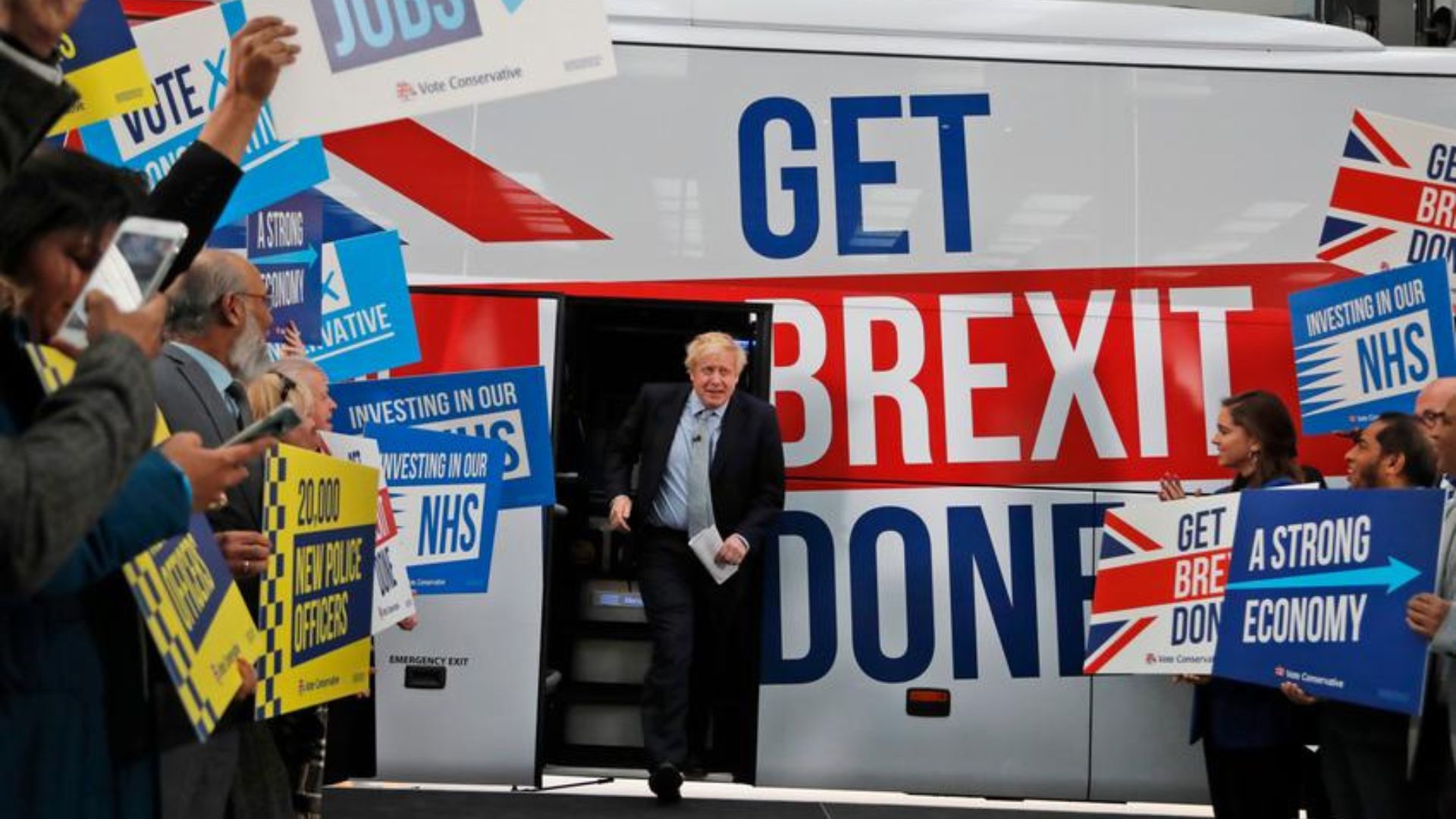
Ten years after the United Kingdom voted to leave the European Union (EU), Brexit remains one of the most significant experiments in economic nationalism in modern history. The 2016 referendum was not merely a decision about membership in a regional bloc; it reflected a broader debate over sovereignty, globalization and economic integration.

The Brexit experience highlights a fundamental policy dilemma faced by many countries: how to balance national control with the benefits of economic interconnectedness.

Understanding the Trade-Off

Economic Nationalism

Economic nationalism prioritises:

  • National sovereignty over economic policies.
  • Control over borders and migration.
  • Protection of domestic interests.
  • Independent trade negotiations.

Economic Integration

Economic integration promotes:

  • Free movement of goods, services and labour.
  • Larger common markets.
  • Lower trade barriers.
  • Greater investment and productivity.
Economic NationalismEconomic Integration
Greater policy autonomyGreater market access
Stronger border controlFree movement
Independent regulationsCommon standards
Potential trade barriersLower transaction costs

Brexit became a test case of this trade-off.

Why Britain Chose Brexit

The referendum was shaped by:

  • Concerns over immigration.
  • Perceived loss of sovereignty.
  • Discontent following the 2008 financial crisis.
  • Growing distrust of political and economic elites.

“Take Back Control” became the defining slogan of the Brexit campaign.

Supporters argued that Britain would gain flexibility to pursue its own economic priorities and negotiate trade agreements independently.

Economic Outcomes After Brexit

While Britain regained greater policy autonomy, economic integration with Europe became more difficult.

Emerging Challenges

  • Customs declarations and border checks increased.
  • Regulatory compliance costs rose.
  • Trade procedures became more complex.
  • Business uncertainty affected investment decisions.
British firms exporting to Europe now
face customs paperwork, certifications
and administrative costs that were
largely absent before Brexit.

Economic Assessment

IndicatorOutcome
Trade efficiencyReduced
Investment growthSlower
ProductivityWeaker
Market accessMore restricted

Several studies estimate that the British economy is currently 4–8% smaller than it would have been without Brexit.

According to many economists, the impact has not been a sudden shock but a gradual drag on growth, trade and productivity.

The Immigration Paradox

Immigration control was a central promise of Brexit.

What Changed?

TrendOutcome
EU migrationDeclined
Non-EU migrationIncreased
Labour shortagesPersisted in key sectors

Labour shortages in healthcare, elderly care and other sectors prompted Britain to recruit workers from outside Europe.

Restrictions on European workers
created demand for migrants from Asia,
Africa and other regions to fill labour gaps.

This demonstrates that economic needs often continue to drive migration irrespective of political preferences.

Public Opinion and Political Consequences

Brexit reshaped Britain's political landscape.

  • Declining trust in traditional political parties.
  • Rise of populist movements.
  • Continued debate over Brexit's success.
  • Growing support for closer EU ties.

Recent surveys suggest:

Public OpinionPercentage
Support rejoining EU52%
Believe Brexit is worse than expected48%
Support another referendum48%

These findings indicate that economic outcomes have influenced public perceptions over time.

Lessons for Policymakers

The Brexit experience offers broader lessons for countries navigating globalization.

Key Takeaways

  • Sovereignty and economic efficiency often involve trade-offs.
  • Access to large markets generates significant economic benefits.
  • Immigration restrictions can create labour shortages.
  • Political decisions may have long-term economic consequences.
  • Economic nationalism does not automatically guarantee economic prosperity.

Way Forward

  • Strengthen cooperation between sovereignty and integration rather than treating them as opposites.
  • Reduce non-tariff barriers that hinder trade.
  • Build resilient domestic industries while maintaining global linkages.
  • Develop balanced migration policies aligned with labour market needs.
  • Promote evidence-based economic policymaking over populist narratives.

Conclusion

Brexit illustrates the complex relationship between political sovereignty and economic integration. While the United Kingdom gained greater control over its laws, borders and trade policy, it also encountered new economic frictions and policy challenges. The experience underscores an important lesson for modern economies: in an interconnected world, the pursuit of autonomy often carries economic costs, making the balance between national control and global integration one of the defining policy questions of the 21st century.

Attribution

Original content sources and authors

Author Dhinesh Balasubramanian
CNA Source CNA

Syllabus classification

How this article maps to GS papers

Main syllabus

GS2International Relations

Also covers

GS1Globalisation

Quick Q&A

What is Brexit and how has it transformed the political and economic landscape of the United Kingdom over the past decade?
Brexit, an abbreviation for 'British Exit', refers to the withdrawal of the United Kingdom from the European Union following the referendum held on 23 June 2016. In that referendum, approximately 52% of voters, representing more than 17 million people, voted to leave the EU. The process was formally completed in January 2020 after nearly five years of negotiations. Historically, the UK's integration with Europe dated back to its entry into the European Economic Community in 1973. Brexit marked the reversal of nearly half a century of economic and political integration. Supporters argued that leaving the EU would restore sovereignty, strengthen border controls, and allow Britain to pursue independent trade and immigration policies. Opponents warned of economic disruptions and a decline in Britain's global influence. Over the last decade, Brexit has significantly reshaped British politics and society. The issue contributed to divisions within major parties and facilitated the rise of new political forces such as Reform UK under Nigel Farage. Economically, experts estimate that the British economy is 4-8% smaller than it would have been had the country remained in the EU. Trade with the EU, Britain's largest trading partner, has been affected by customs procedures, regulatory checks, and non-tariff barriers. For UPSC aspirants, Brexit is relevant to GS-II International Relations and GS-III Economy. It illustrates themes such as regional integration, nationalism, globalization, sovereignty, and the consequences of major democratic decisions. Brexit remains one of the most significant geopolitical developments of the twenty-first century.
Why did a majority of British voters support Brexit despite concerns regarding economic and diplomatic consequences?
The Brexit vote reflected a combination of economic, political, cultural, and social factors that had accumulated over several decades. Although economic arguments played a role, the referendum outcome cannot be understood solely through financial considerations. One major factor was dissatisfaction arising from the 2008 global financial crisis. Many citizens felt that globalization and economic integration had disproportionately benefited elites while leaving sections of society behind. Brexit campaigners successfully linked these grievances to membership in the European Union. Immigration emerged as another critical issue. The principle of free movement within the EU allowed citizens of member states to live and work in the UK. Many voters viewed this as limiting Britain's ability to control its borders. The slogan 'Take Back Control' resonated strongly with concerns about sovereignty and national identity. Another factor was the perception that EU institutions were distant and insufficiently accountable. Brexit supporters argued that decisions affecting Britain should be made by elected representatives in Westminster rather than by bureaucratic institutions in Brussels. Political leaders such as Nigel Farage and sections of the Conservative Party played a significant role in mobilizing public opinion. Promises regarding greater spending on public services, particularly the National Health Service, also influenced voters. From a UPSC perspective, this issue connects with GS-II International Relations and GS-I social issues. Brexit demonstrates how identity politics, economic inequality, populism, and perceptions of sovereignty can shape democratic outcomes. It also highlights the growing tensions between globalization and nationalism witnessed across many countries in recent decades.
How has Brexit affected the British economy, trade patterns, and overall living standards since its implementation?
Brexit has had profound implications for the British economy, although its effects have been gradual rather than catastrophic. Following the United Kingdom's departure from the European Union in 2020, new customs procedures, border certifications, and regulatory requirements altered trade relations with the EU, which remains Britain's largest trading partner. Unlike traditional tariffs, many challenges have emerged from non-tariff barriers. Businesses have faced increased paperwork, compliance costs, and logistical delays. Several anticipated trade agreements, particularly a comprehensive deal with the United States, have not materialized to the extent expected by Brexit supporters. According to economists and think tanks such as The UK in a Changing Europe, the British economy is estimated to be between 4% and 8% smaller than it would have been under continued EU membership. Professor Jonathan Portes of King's College London described Brexit's impact as a cumulative drag on trade, productivity, and investment rather than an abrupt collapse. Critics argue that slower economic growth has reduced potential revenues for public services, including the National Health Service. However, Brexit supporters maintain that short-term disruptions are inevitable and that greater policy autonomy in areas such as immigration and regulation will generate long-term benefits. External factors such as the COVID-19 pandemic, the Russia-Ukraine conflict, and instability in West Asia have also complicated assessments of Brexit's economic effects. For UPSC aspirants, this topic is relevant to GS-II International Relations and GS-III Economic Development. Brexit offers important lessons regarding regional economic integration, trade liberalization, supply chains, and the economic consequences of protectionist or nationalist policies.
Critically analyze whether Brexit has achieved its primary objectives relating to sovereignty, immigration, and economic revival.
Brexit was justified primarily on three grounds: restoring sovereignty, controlling immigration, and revitalizing the British economy. A decade later, its outcomes remain the subject of intense debate. From the perspective of sovereignty, Brexit supporters argue that the United Kingdom has regained legislative and regulatory autonomy. Britain now independently negotiates trade agreements and determines its immigration policies without being bound by EU institutions. In this sense, one of Brexit's central objectives has been achieved. On immigration, results have been mixed. Free movement from Europe has ended, and net migration from EU countries has declined. However, migration from non-EU countries increased significantly due to labor shortages and revised visa policies. Public concern over irregular migration across the English Channel has continued, indicating that border control challenges persist. Economically, evidence suggests that Brexit has imposed costs. Many experts estimate that the economy is smaller than it would otherwise have been. Increased trade barriers, lower productivity growth, and reduced investment have affected economic performance. Critics contend that promises regarding substantial gains for public services have not materialized. Public opinion has also evolved. Surveys by Ipsos indicate that a majority of Britons now favor rejoining the EU, while many believe Brexit has performed worse than expected. Nevertheless, complete reversal remains politically difficult because democratic legitimacy and respect for the 2016 referendum remain important considerations. For UPSC aspirants, this issue relates to GS-II International Relations and GS-III Economy. Brexit demonstrates that policy outcomes are often multidimensional and that sovereignty gains may involve economic trade-offs. It highlights the complexities involved in balancing nationalism with globalization.
What are the reasons behind the growing public reassessment and voter remorse regarding Brexit in the United Kingdom?
Over the past decade, a significant section of British society has reassessed the consequences of Brexit, leading to what many observers describe as voter remorse. Several political, economic, and social factors explain this changing perception. First, many expectations associated with Brexit have not been fully realized. Promised economic benefits and major trade agreements have proved more difficult to achieve than anticipated. Businesses continue to face barriers while trading with European partners, and economic growth has remained subdued. Second, concerns regarding immigration have not disappeared. Although migration from EU countries has declined, overall migration reached record levels in 2023 before subsequently falling. Issues related to asylum seekers and illegal crossings of the English Channel have remained politically contentious. Third, Britain's political instability since 2016 has contributed to public dissatisfaction. The prolonged negotiations, frequent changes in leadership, and continuing divisions within major political parties have undermined confidence in the political establishment. Polling data from Ipsos indicate that approximately 52% of respondents would support rejoining the European Union, while nearly half believe Brexit has performed worse than expected. Such findings suggest a shift in public attitudes. However, many politicians remain cautious about reopening the issue because reversing Brexit could be viewed as disregarding the democratic mandate expressed in the 2016 referendum. Therefore, governments have focused on improving relations with the EU rather than seeking re-entry. For UPSC aspirants, this topic is relevant to GS-II International Relations and Polity. It highlights the importance of public opinion, democratic legitimacy, and the long-term consequences of major constitutional and geopolitical decisions.
How can Brexit be used as a case study to understand the tensions between globalization, nationalism, and democratic mandates?
Brexit represents one of the most important contemporary case studies illustrating the complex relationship between globalization, nationalism, and democratic legitimacy. The United Kingdom's decision to leave the European Union reflected widespread concerns regarding sovereignty, immigration, and economic inequality, despite decades of increasing regional integration. Globalization had facilitated economic interconnectedness and free movement of people, goods, services, and capital across Europe. However, many citizens perceived that these benefits were unevenly distributed. Economic anxieties following the 2008 global financial crisis strengthened nationalist sentiments and demands for greater control over domestic affairs. The Brexit referendum of June 2016 demonstrated the power of democratic mandates. Although the margin of victory was narrow, successive governments respected the outcome despite intense political and economic debates. This underscores the importance of democratic legitimacy in policymaking. At the same time, Brexit revealed the limitations of nationalism in an interdependent world. Even after leaving the EU, Britain remains economically and strategically linked to Europe. Consequently, recent governments have sought a 'reset' in relations rather than complete disengagement. The case also highlights broader global trends. Similar debates concerning sovereignty, immigration, and globalization have emerged in the United States, parts of Europe, and several developing countries. Therefore, Brexit is not merely a British phenomenon but part of a wider transformation in international politics. For UPSC preparation, Brexit is relevant to GS-II International Relations and GS-I society. It demonstrates that democratic decisions often involve trade-offs and that balancing national interests with global interdependence remains one of the central challenges of modern governance.

Practice questions

1 question for mains preparation

Examine the trade-offs between economic nationalism and economic integration in the era of globalization. Illustrate your answer with lessons from Brexit.

10 marks · 150 words · 8 mins