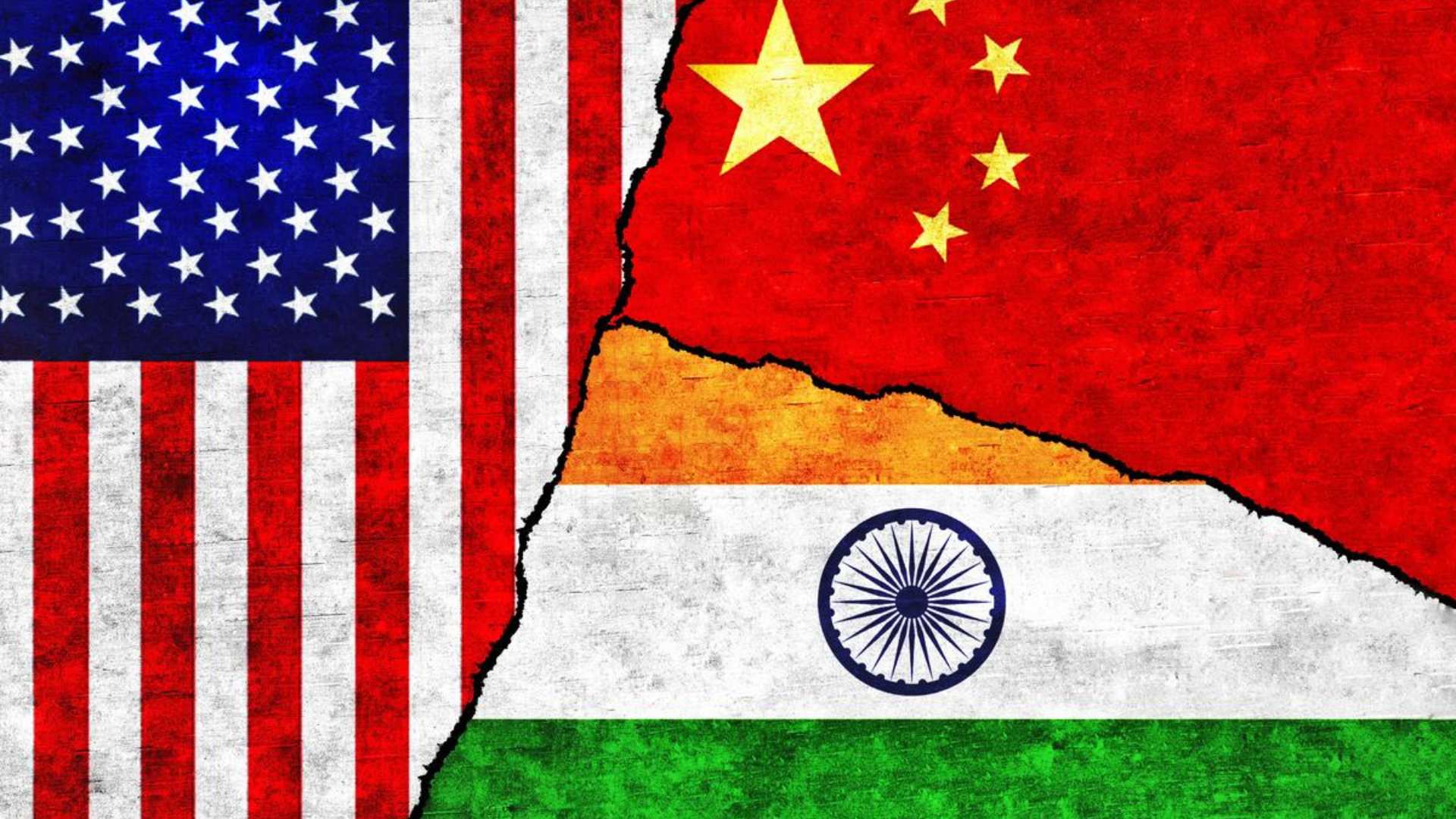
India’s Foreign Policy in a Multipolar World
1.India and the Evolving World Order
India formally acknowledged the new global order in parliamentary discourse, recognizing that formulating a contemporary national identity and foreign policy approach is critical. The era of postcolonial multilateralism, where India leveraged the UN to represent Global South interests, is eroding amid rising powers and unilateral strategies by the U.S. and China.
India’s earlier leadership at the UN, particularly in climate negotiations and global South advocacy, relied on diplomatic acumen and intellectual leadership. However, China’s rise, creation of parallel international institutions, and significant aid volumes have reduced India’s leverage in traditional multilateral forums. The U.S. withdrawal from several UN institutions and the WTO’s evolving dysfunction further constrain India’s multilateral influence.
Neglecting these shifts risks India being sidelined in global governance, with diminished influence over trade, security, and technology rules shaping the 21st century.
Key Points:
- Multilateralism is declining; asymmetry increasing
- China’s global institutional influence growing
- India’s comparative advantage: moral and intellectual leadership in the Global South
2. Strategic Autonomy: Evolution and Current Relevance
India’s Cold War-era strategic autonomy derived from leading the Non-Aligned Movement, allowing independent decision-making between U.S. and Soviet blocs. Post-1991, after the Soviet Union’s collapse, strategic autonomy became more of a self-declared identity than a functional policy tool.
Recent developments illustrate contradictions: joining the Quad (2017) aligned India with U.S. security goals, while procuring S-400 missiles from Russia (2018) signaled independence. The U.S. now perceives India as a “swing state” with potential to influence the multipolar balance, rather than a fully autonomous actor.
Failure to redefine strategic autonomy risks misalignment between India’s interests and its global partnerships, reducing diplomatic leverage in technology, defense, and trade.
Impacts:
- Need to recalibrate Cold War-era policy concepts
- Balancing Russia, U.S., and China becomes central to multipolar strategy
3. Power Politics and Bilateral Challenges
The global decline of multilateralism has returned international relations to asymmetric power politics. Key dynamics include:
- U.S. tariffs and selective reciprocity under “America First”
- India-U.S. Framework Agreement: India committed to doubling imports, while the U.S. maintains 18% unilateral tariffs
- EU trade agreements involve phased reciprocal reductions, indicating structured negotiation
China’s approach contrasts with the U.S., leveraging multilateral rules for economic expansion and trade diversification, now influencing 120 countries.
Ignoring power asymmetries risks India being constrained in trade and technology access, impacting economic growth and geopolitical influence.
Comparative Example:
- U.S.: transactional, unilateral approach
- China: rules-based exploitation of multilateral frameworks
4. Reframing India’s Foreign Policy: Viksit Bharat 2047
India’s future foreign policy must shift from “strategic autonomy” to ‘Viksit Bharat 2047’, emphasizing development-centric diplomacy, talent leverage, and technology leadership. Key focus areas:
- Human capital: nearly 50% of Silicon Valley’s workforce has Indian roots; leveraging this for AI, cybersecurity, and services
- Economic diplomacy: diversify exports away from U.S., pursue FTAs with Asia and Africa, and secure industrial imports strategically
- Technology partnerships: deepen relations with Russia for defense tech, enable China for manufacturing/infrastructure with safeguards
- Regional cooperation: treat Pakistan as a foreign policy partner, focusing on water-sharing, trade, and the Iran-Pakistan-India Peace Pipeline
- BRICS leadership: reposition BRICS as an economic cooperation forum, including digital currency integration for cross-border trade and tourism
“India’s comparative advantage lies in its young population… building and attracting that talent can develop the capability to become a ‘cyber super-power’.” — Editorial Source
Failing to modernize foreign policy may leave India dependent on asymmetrical partnerships, missing opportunities in the Asian Century and technology-led growth.
Policy Measures:
- Low international profile initially, focus on endogenous capabilities
- Prioritize trade and technology partnerships for economic leverage
- Institutional innovation via BRICS to enhance economic coordination
5. Implications for National Development and Security
- Economic Growth: Strategic export diversification and FTAs can mitigate tariff risks and strengthen GDP growth
- Technology Leadership: AI and cybersecurity leadership enhance national security and global influence
- Regional Stability: Constructive engagement with neighbors, including Pakistan, ensures regional peace and shared economic development
- Global Standing: Proactive BRICS initiatives and multilateral leadership can offset declining UN influence
Integrated foreign policy aligning economic, technological, and regional strategies ensures India’s emergence as a key global pole by 2047.
6. Conclusion
India must transition from Cold War-era strategic autonomy to a development-focused, multipolar engagement strategy — Viksit Bharat 2047. By leveraging youth talent, diversifying trade, forging balanced technology partnerships, and repositioning regional institutions like BRICS, India can secure economic growth, geopolitical influence, and technological leadership in the evolving global order.
“India should bide its time, maintain a low international profile, and develop endogenous capabilities to accelerate the Asian Century.” — Editorial Source