
1. Context of India-Europe Relations
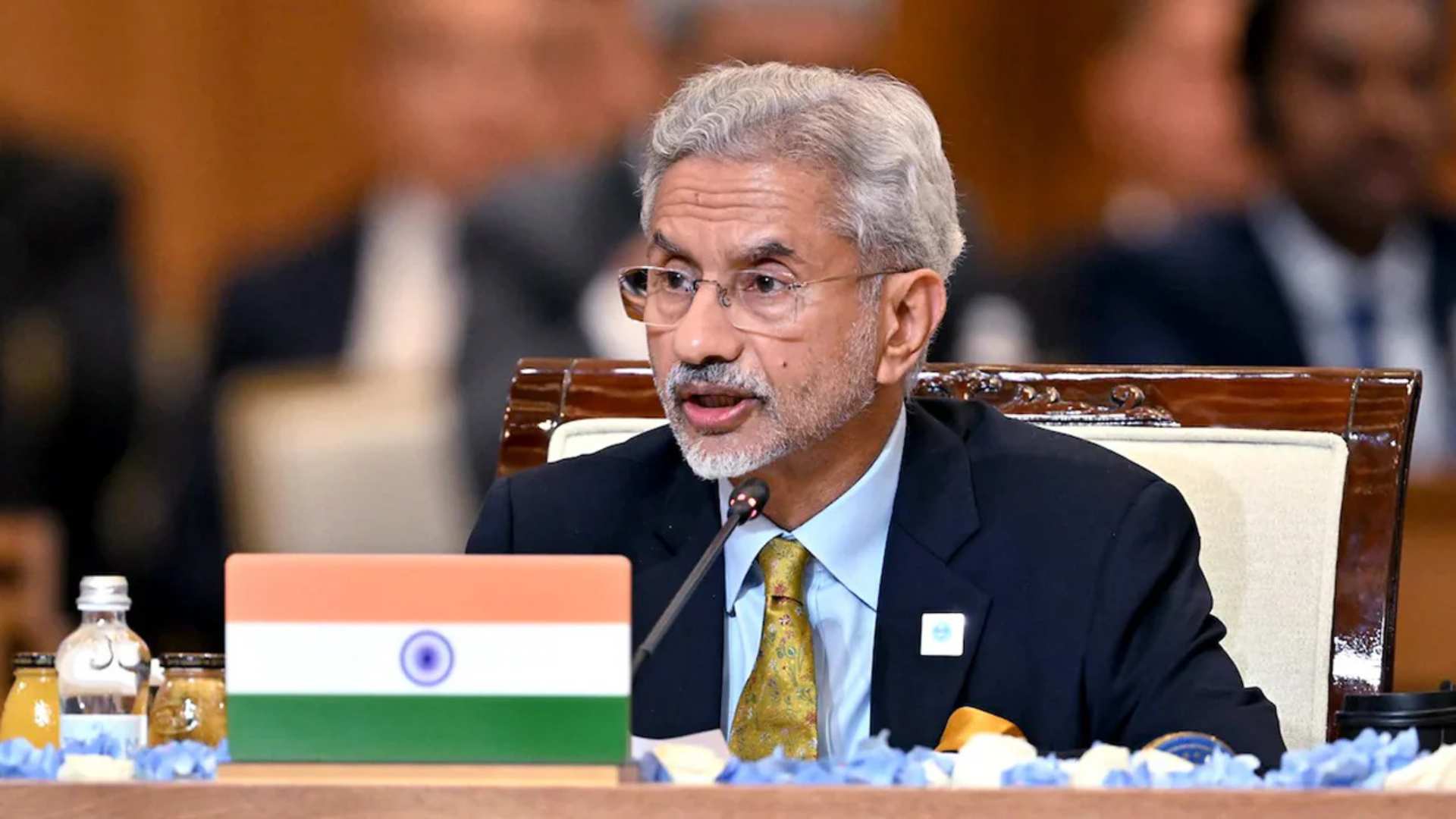
India’s diplomatic engagement with Europe has gained renewed focus in 2026, as highlighted by External Affairs Minister S. Jaishankar’s visit to Paris and Luxembourg. This visit was set against a backdrop of global geopolitical volatility, including the Russia-Ukraine conflict and U.S. actions in Latin America. India-Europe relations are now seen as a strategic axis capable of contributing to both regional and global stability.
The engagement covers multiple dimensions—diplomatic dialogue, trade negotiations, and strategic cooperation. Minister Jaishankar emphasized that India chose Europe for its first official visit to signal the growing importance of bilateral relations and their potential to stabilize the international economy and political order.
Strengthening India-Europe relations ensures economic resilience and political leverage. Ignoring these ties could leave India less influential in shaping multilateral outcomes and regional security frameworks.
2. Strategic Partnerships and Diplomatic Mechanisms
The India-Europe partnership operates through formal and informal mechanisms. Notably, the Weimar Triangle—involving India, France, Germany, and Poland—serves as a platform for multilateral dialogue on global issues, including the Indo-Pacific security environment and conflict resolution. Such forums help India articulate its strategic priorities and align them with European interests.
India’s engagement extends to institutional actors such as the European Union (EU) and the International Energy Agency (IEA). Meetings with EU officials, including Commissioner Maroš Šefčovič, and IEA leadership demonstrate India’s intent to integrate energy and trade cooperation into its foreign policy. The EU’s collaborative role provides both trade facilitation and geopolitical alignment opportunities.
Strategic partnerships offer India diplomatic leverage and global influence. Failure to engage systematically may result in missed opportunities for shaping international norms and trade regimes.
Impacts:
- Enhanced dialogue on Indo-Pacific security challenges.
- Integration of India into EU-led energy and trade frameworks.
- Greater multilateral coordination on global crises.
3. Trade and Economic Cooperation
A major pillar of India-Europe relations is the proposed Free Trade Agreement (FTA). The FTA aims to reduce trade barriers, enhance market access, and strengthen economic integration. Commerce Minister Piyush Goyal’s discussions in Brussels with EU counterparts underscore the significance of aligning Indian export policies with European standards.
The economic rationale includes diversification of India’s trade portfolio and increased foreign direct investment (FDI) inflows. A successful FTA can stabilize bilateral trade, promote industrial competitiveness, and contribute to employment generation in India.
Economic partnerships with Europe provide resilience against global trade shocks. Ignoring trade facilitation mechanisms risks limiting India’s access to high-value markets and strategic economic alliances.
Impacts:
- Potential increase in bilateral trade volumes.
- Improved market access for Indian industries.
- Strengthened economic interdependence with the EU.
4. Global and Regional Implications
India-Europe ties have broader implications for international governance and regional stability. A robust strategic partnership can contribute to multilateral diplomacy in the Indo-Pacific and Europe, offering alternatives to unilateral actions by major powers. India’s active engagement signals a commitment to balanced global governance.
The discussions on geopolitical issues, including the Ukraine conflict, demonstrate India’s intent to shape international norms through dialogue. This positions India as a responsible actor capable of contributing to conflict resolution and stability.
Proactive engagement in global governance enhances India’s international stature. Neglecting these partnerships could reduce influence in shaping regional security frameworks and global economic policies.
Impacts:
- Strengthened India’s role in multilateral platforms.
- Contribution to stability in international economic and political arenas.
- Enhanced diplomatic options for conflict resolution.
5. Way Forward
India-Europe relations are poised for further growth through trade agreements, strategic dialogue, and institutional cooperation. Implementation of the FTA, continued engagement in forums like the Weimar Triangle, and collaboration with EU institutions like the IEA can ensure sustained economic and geopolitical benefits.
For India, maintaining a multi-dimensional partnership with Europe will reinforce its role in global governance, diversify trade and investment channels, and strengthen regional security. Long-term planning and consistent diplomacy are critical to translating engagements into tangible outcomes.
Institutionalized and sustained engagement ensures economic growth, geopolitical influence, and strategic security. Lack of continuity could compromise India’s position in global decision-making.
References & Data Extracted
- Free Trade Agreement (FTA): Under negotiation between India and the EU.
- Visits: January 7, 2026 – Jaishankar meets Weimar Triangle counterparts in Paris.
- EU Officials: Commissioner Maroš Šefčovič (Commerce), Ursula von der Leyen (President), António Costato (Visit during Republic Day).
- Key Institutions: Ministry of External Affairs (India), European Union, International Energy Agency, Weimar Triangle countries (France, Germany, Poland).
.jpeg)
