Grand Strategy and India’s Foreign Policy in the 21st Century
1. Concept of Grand Strategy: From Warfare to Statecraft
The idea of a “grand strategy” has historically referred to how a state aligns its resources, power, and objectives to secure long-term national interests. Classical thinkers such as Chanakya, Thucydides, Sun Tzu, and Clausewitz largely conceptualised strategy in the context of war, survival, and power competition.
- In the contemporary era, grand strategy extends beyond warfare to diplomacy, economic statecraft, technology, and narrative power
- Strategic thinking now focuses on long-term positioning rather than immediate battlefield outcomes
- For India, this implies integrating military preparedness with diplomatic leverage, economic growth, and normative influence
2. Bilateral Partnerships as Strategic Instruments
One strand of contemporary thinking emphasises selective bilateral partnerships rather than dependence on multilateral institutions. This approach reflects India’s preference for flexibility, issue-based alignment, and avoidance of rigid alliance commitments.
- Strategic partnerships are viewed as “friendships” rather than treaty-bound alliances
- Bilateral ties allow India to pursue interests without compromising strategic autonomy
- The absence of neighbouring countries in such frameworks raises concerns about regional neglect
3. Strategic Autonomy and the China Factor
Strategic autonomy remains a foundational principle of Indian foreign policy, enabling engagement with multiple power centres without formal alignment. This approach is increasingly shaped by China’s rapid economic, military, and geopolitical rise.
- Many Indian partnerships are motivated by shared concerns over Chinese hegemony
- Expectations of alignment from major powers can constrain India’s decision-making space
- Managing China while avoiding bloc politics is a central strategic challenge
4. Historical Evolution of India’s Power Aspirations
India’s pursuit of major power status is not a recent phenomenon but a long-standing objective dating back to independence. Early leadership envisioned India as a significant actor in the post-war global order.
- India’s power ambitions predate contemporary governments
- Economic capacity, military strength, and diplomatic reach define power status
- Continuity in objectives exists despite changes in leadership and tactics
5. Soft Power, Civilisational Identity, and Limits
India increasingly leverages civilisational identity, culture, and values as tools of soft power in global diplomacy. These elements are projected as distinguishing features of India’s global role.
- Cultural diplomacy enhances visibility but cannot substitute material power
- Credibility depends on alignment between values and policy conduct
- Soft power is effective only when supported by economic and strategic strength
6. 1991 as a Turning Point in Indian Foreign Policy
The year 1991 marked a structural shift in India’s external engagement due to major global transformations. India adapted its foreign policy to a unipolar world and new economic realities.
- Collapse of the Soviet Union altered India’s strategic environment
- Gulf War and regional instability exposed policy limitations
- Economic liberalisation enabled broader global engagement
7. Strategic Priorities and Regional Focus
Contemporary strategic thinking identifies multiple priorities that India must pursue simultaneously. These priorities are shaped largely by geopolitical competition and regional security dynamics.
- China’s rise is the primary driver of India’s strategic planning
- Maritime security and Indo-Pacific engagement have gained prominence
- Regional stability remains essential for global influence
8. Distinguishing Grand Strategy from Tactics
Recent discourse cautions against conflating visible diplomatic activities with genuine strategic transformation. Tactical innovations must be assessed against long-term national objectives.
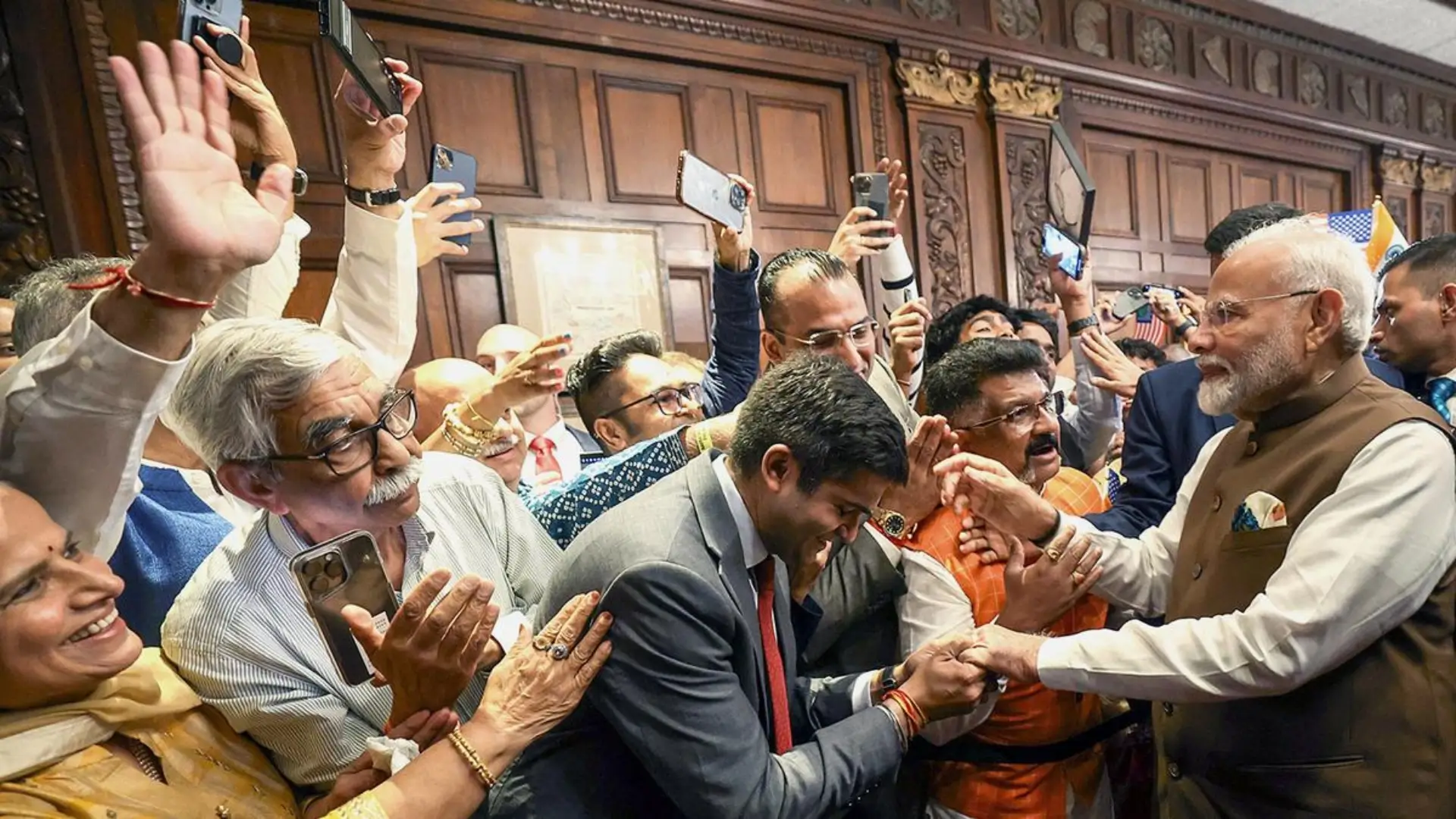
- Leader-centric diplomacy and symbolism are tactical tools
- Visibility does not automatically translate into strategic gains
- Enduring strategy requires consistency beyond political cycles
Conclusion
India’s evolving grand strategy reflects adaptation within continuity. While instruments and contexts have changed, the core objectives of autonomy, stability, and status endure. Long-term success will depend on aligning tactical initiatives with structural capabilities and institutional strength.
UPSC Pointers
- Grand strategy integrates military, economic, and diplomatic power
- India’s foreign policy shows continuity with calibrated change
- Strategic autonomy remains central amid great power competition