
1. Context of India-U.S. Relations and Ambassadorial Engagement
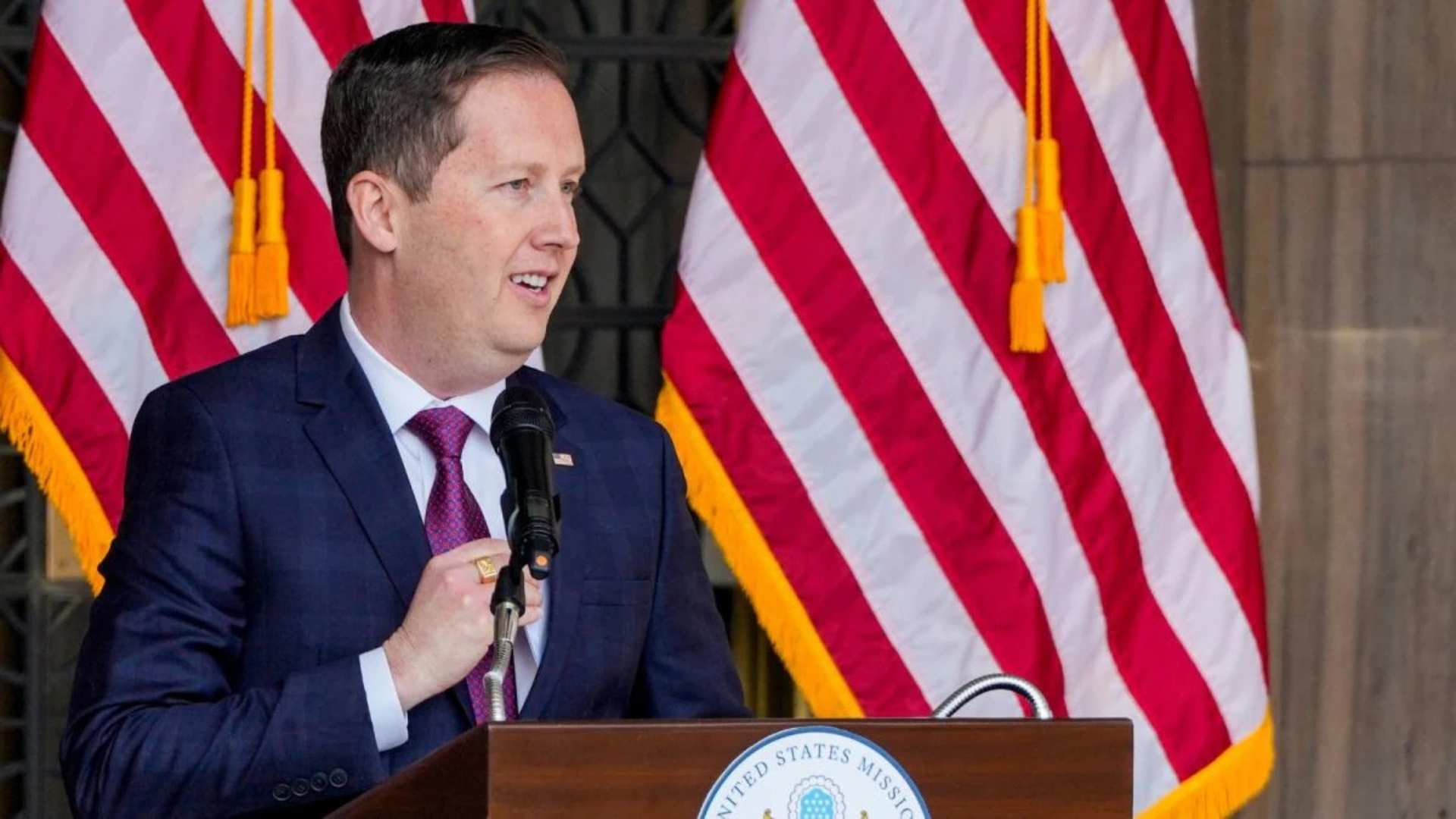
India and the United States share a strategic partnership shaped by converging economic, technological, and geopolitical interests. The appointment of Sergio Gor as the U.S. Ambassador to India represents a critical juncture in bilateral diplomacy, signalling renewed emphasis on trade, technology cooperation, and strategic alignment. His arrival comes amid delays in trade negotiations and tensions over tariffs and energy imports, highlighting the importance of continuous diplomatic engagement.
Ambassadorial roles serve as key instruments of foreign policy, translating high-level agreements into actionable cooperation across trade, investment, and technology sectors. The U.S. continues to prioritise India as a major partner in regional stability, innovation, and global supply chains, making ambassadorial engagement a platform for facilitating dialogue and reducing policy uncertainties.
India’s geopolitical significance, as the world’s largest democracy and a regional economic power, necessitates nuanced diplomacy. Ambassadorial engagement underlines how bilateral relations can overcome trade disputes and energy-related differences, ensuring cooperation in emerging sectors like artificial intelligence and semiconductors.
"Real friends can disagree but always resolve their differences in the end." — Sergio Gor, Incoming U.S. Ambassador to India
Diplomatic postings like the U.S. Ambassador’s office act as critical channels for governance coordination, enabling policy continuity and reducing friction in strategic partnerships. Ignoring these channels could stall trade agreements and technological collaborations.
2. Pax Silica Initiative and Strategic Technology Cooperation
The Pax Silica initiative is an 8-nation framework focused on semiconductor supply chains, critical minerals, and AI development. India’s upcoming inclusion reflects its rising role in global technology ecosystems and aligns with the country’s digital and industrial ambitions. While initially excluding India, the initiative seeks to strengthen cooperation among advanced economies, Quad and I2U2 members, and partners in East Asia and Europe.
The initiative also demonstrates technology diplomacy as a tool for strengthening alliances. Participation in Pax Silica positions India to access critical supply chains, reduce dependency on a single source, and foster innovation in strategic sectors. This inclusion complements national programs like Digital India and semiconductor manufacturing missions, which aim to enhance self-reliance and competitiveness.
Key Impacts:
- Integration into global semiconductor and AI supply chains.
- Opportunities for technology transfer and joint R&D initiatives.
- Strategic alignment with Quad and I2U2 nations, strengthening regional influence.
"Given India’s size and influence, integrating it into global semiconductor and AI chains is both necessary and timely." — Sergio Gor
Technology-focused multilateral frameworks like Pax Silica enhance national capacity and global standing. Failing to engage could limit India’s strategic options in critical technology sectors.
3. Trade Negotiations and Economic Diplomacy
India-U.S. trade relations have faced hurdles, including 50% tariffs on Indian goods and stalled agreements initiated during Prime Minister Modi’s U.S. visit. Negotiations involve multiple rounds and ministerial visits, reflecting the complexity of aligning regulatory, economic, and strategic interests. Successful resolution can enhance bilateral trade, increase market access for Indian exports, and attract foreign investment.
Economic diplomacy is central to managing disputes while promoting long-term partnerships. Strategic trade engagement not only supports economic growth but also strengthens geopolitical ties. Timely resolution of trade barriers will enable India to leverage technology and market access under frameworks like Pax Silica and bilateral cooperation agreements.
Challenges:
- Tariff disputes affecting export competitiveness.
- Delays in formalising trade deals impacting investor confidence.
- Coordination between commerce, foreign affairs, and industry ministries.
"The United States and India are bound not just by shared interests, but by a relationship anchored at the highest levels." — Sergio Gor
Active engagement in trade negotiations ensures sustainable economic and strategic outcomes. Ignoring trade diplomacy risks economic and geopolitical isolation in critical sectors.
4. Multilateral and Bilateral Institutional Role
Institutions such as the U.S. Embassy in India, Quad, I2U2, and allied nations play key roles in operationalising agreements and coordinating technological and economic initiatives. Their involvement ensures standardised frameworks, facilitates joint research, and reduces policy uncertainties. India’s participation in these institutions strengthens global partnerships while enabling influence in decision-making processes affecting regional and global technology supply chains.
Diplomatic and institutional engagement provides structured mechanisms to implement complex multilateral agreements, align domestic policies, and project influence in international forums. Regular coordination with partner institutions ensures timely response to challenges such as supply chain vulnerabilities and geopolitical disruptions.
"International collaboration on critical technologies is key to ensuring a resilient and secure supply chain." — U.S. Commerce Department (Statement on Pax Silica)
Institutional frameworks are essential for translating strategic vision into actionable cooperation. Neglecting them may hinder India’s role in shaping global technology governance.
5. Conclusion and Way Forward
India’s inclusion in the Pax Silica initiative, ongoing trade negotiations, and strengthened diplomatic engagement signify a strategic shift towards technology-driven bilateral and multilateral cooperation. Integrating domestic industrial and digital policy with international initiatives will enhance India’s technological self-reliance and global influence.
Moving forward, India must prioritise structured participation in technology supply chains, proactive trade diplomacy, and institutionally supported multilateral cooperation. This will safeguard strategic interests, foster innovation, and consolidate India’s position as a key partner in global governance and economic frameworks.
"India’s participation in strategic technology alliances will shape the future of innovation and global trade relations." — Sergio Gor
Strategic diplomacy and technology engagement provide long-term governance and economic benefits. Ignoring these avenues could reduce India’s leverage in critical global partnerships.
Institutions & Organisations Referenced:
- U.S. Embassy, India
- Pax Silica initiative (8-nation framework)
- Quad members (Japan, Australia)
- I2U2 countries (Israel, UAE)
- Other partners (South Korea, Singapore, UK, Netherlands)
- Ministry of Commerce, India
- Office of the U.S. Ambassador
Key Concepts:
- Technology diplomacy
- Strategic bilateral engagement
- Economic diplomacy
- Supply chain security
- AI and semiconductor cooperation