1. Escalation of U.S.–Israel Military Action Against Iran
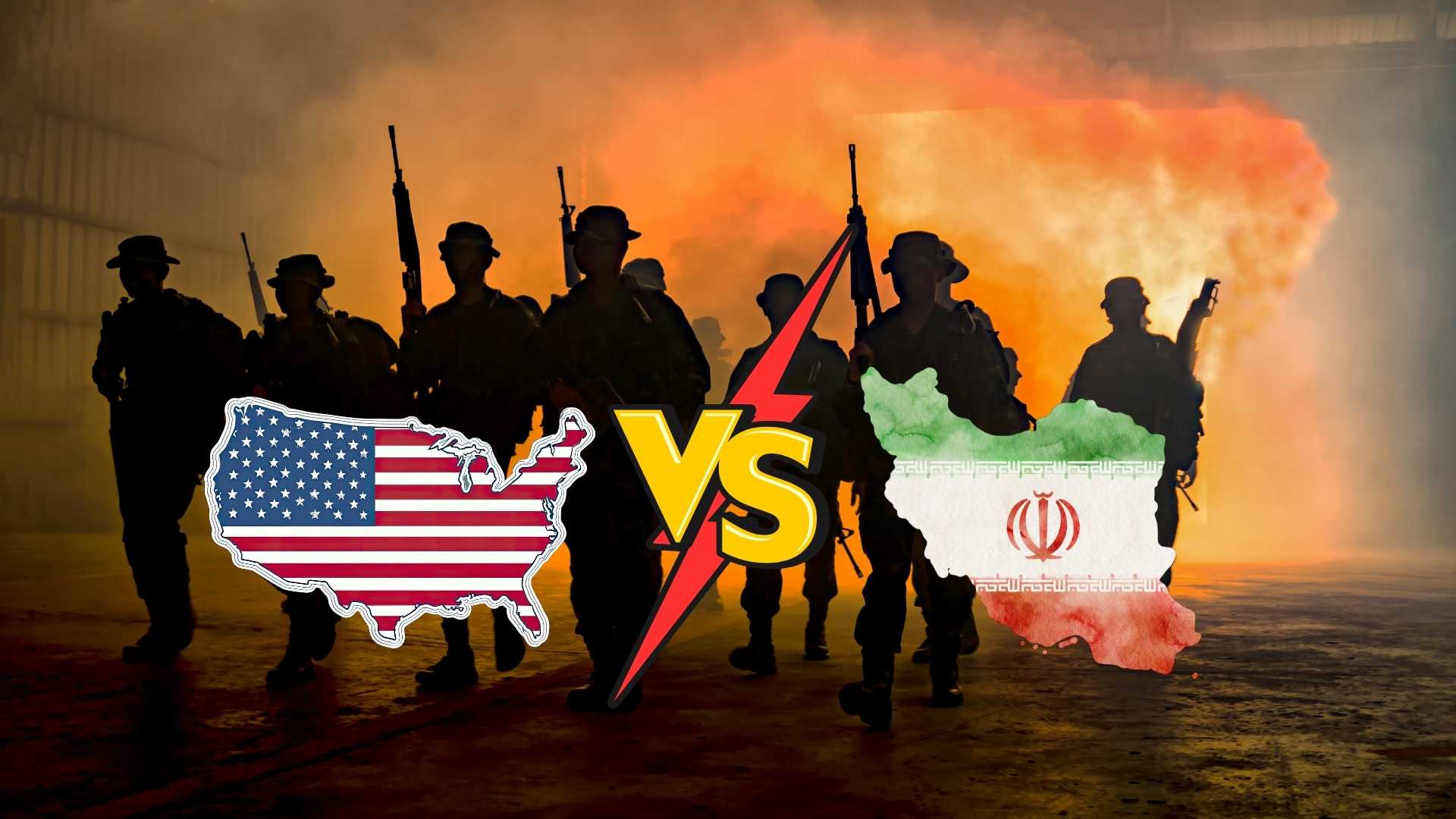
The article highlights a major escalation in West Asia following a coordinated U.S.–Israel military offensive against Iran on February 28, reportedly resulting in the killing of Iran’s Supreme Leader and other top leadership. This marks a dramatic intensification of hostilities, moving beyond proxy conflict into direct interstate confrontation.
The escalation is presented as contradicting earlier political promises to reduce U.S. military entanglements abroad. Instead, within 13 months of office, the U.S. leadership is reported to have conducted bombing operations in at least seven countries, indicating a pattern of interventionism. The conflict now risks drawing multiple regional actors into open warfare.
Such developments have serious implications for international peace and stability, particularly in a region already marked by protracted instability. Escalatory military action between major powers in West Asia can disrupt global security architecture and undermine diplomatic mechanisms.
From a governance perspective, sustained militarisation of foreign policy reduces space for diplomacy, weakens multilateral institutions, and increases the probability of systemic instability. If unchecked, it can normalise unilateral force in international relations.
2. Diplomacy Undermined: Collapse of Negotiated Engagement
The article asserts that prior to the attack, Iran was engaged in serious negotiations with the United States under Omani mediation. On February 27, Oman’s Foreign Minister reportedly indicated that a deal was within reach, based on Iran’s commitment not to build a nuclear weapon or stockpile nuclear material.
The military strikes reportedly occurred within hours of these diplomatic signals. This mirrors earlier developments, notably the 2018 U.S. withdrawal from the 2015 nuclear agreement (JCPOA), which had sought to curb Iran’s nuclear ambitions through verification and sanctions relief. The article suggests a recurring pattern where diplomatic openings are overtaken by force.
The undermining of negotiations has broader consequences for the credibility of diplomatic engagement. If negotiation processes are disrupted through unilateral military action, trust deficits deepen, making future conflict resolution more difficult.
Diplomacy functions on predictability and good faith. If negotiations are repeatedly superseded by force, states may prioritise deterrence over dialogue, increasing long-term instability.
3. Regional Security Implications and Risk of Wider War
Iran has reportedly responded with missile and drone attacks targeting Israeli and American bases in the Persian Gulf and Jordan. This indicates the transformation of the conflict into a multi-front confrontation.
A significant escalation point is Iran’s announcement of the closure of the Strait of Hormuz, one of the world’s most critical maritime chokepoints. The Strait handles a substantial share of global oil shipments, making it central to global energy security.
Key Strategic Significance:
- Strait of Hormuz connects the Persian Gulf to the Gulf of Oman and Arabian Sea.
- A large proportion of global crude oil and LNG shipments pass through this route.
- Major oil importers, including India, depend heavily on this corridor.
Closure or disruption could trigger:
- Sharp increases in global oil prices
- Supply chain disruptions
- Inflationary pressures globally
For India, which is a major oil importer, any disruption would directly impact:
- Current account balance
- Energy security
- Domestic inflation
Energy chokepoints convert regional conflicts into global economic crises. If such routes are militarised, even geographically distant economies face macroeconomic instability.
4. International Law and Rules-Based Order
The article questions the legitimacy of the military action, arguing that there was no publicly available evidence of an imminent Iranian attack. It disputes claims of “pre-emptive” war and frames the action as a war of choice rather than necessity.
It also raises concerns regarding adherence to international law, including references to alleged violations in previous conflicts and the broader issue of unilateral use of force. The erosion of norms governing sovereignty, non-aggression, and proportionality can weaken the foundations of the international system.
The UN Charter permits use of force primarily in:
- Self-defence (Article 51)
- Authorization by the UN Security Council
Unilateral strikes without broad international backing raise questions about:
- Legitimacy
- Precedent-setting
- Norm erosion
The stability of the global order depends on rule-based conduct. If powerful states normalise unilateral intervention, smaller states may lose faith in international institutions, weakening multilateralism.
5. Geopolitical Motives and Strategic Realignment
The article interprets the conflict as an attempt to reshape regional power balances in favour of U.S. and Israeli strategic interests. It dismisses humanitarian justifications and situates the war within broader geopolitical competition.
West Asia has long been shaped by:
- Rivalry between Iran and Israel
- U.S.–Iran hostility
- Proxy conflicts across Lebanon, Syria, Iraq, and Yemen
Escalation risks:
- Expansion of conflict into proxy theatres
- Greater involvement of regional powers
- Fragmentation of already fragile states
Such instability affects:
- Maritime security in the Arabian Sea
- Indian diaspora safety in the Gulf
- Remittance flows
For India, maintaining strategic autonomy while balancing relations with:
- The U.S.
- Israel
- Iran
- Gulf Arab states becomes increasingly complex.
Geopolitical realignments in West Asia directly intersect with India’s energy, diaspora, and strategic interests. Escalation narrows diplomatic space for middle powers.
6. Economic and Developmental Consequences
Conflict in energy-producing regions typically leads to global economic turbulence. Closure of maritime chokepoints and sanctions regimes can:
- Increase oil prices
- Depreciate emerging market currencies
- Trigger inflation
India, as a major developing economy:
- Imports a significant share of crude oil
- Is vulnerable to external energy shocks
Potential domestic impacts include:
- Fiscal strain due to fuel subsidies or tax adjustments
- Imported inflation
- Pressure on growth targets
This connects GS-III themes of:
- Energy security
- External sector stability
- Inflation management
Geopolitical instability translates into developmental challenges. Sustained conflict in oil-rich regions can slow growth trajectories of developing economies.
7. Way Forward: De-escalation and Multilateral Engagement
Given the scale of escalation, diplomatic intervention becomes critical. Key pathways include:
- Immediate ceasefire and de-escalation
- Revival of mediated negotiations
- Multilateral engagement through the UN or regional platforms
- Protection of maritime trade routes
For India:
- Maintain strategic neutrality
- Advocate dialogue and restraint
- Strengthen strategic petroleum reserves
- Diversify energy sources
Restoring confidence in diplomatic processes is essential to prevent normalization of unilateral force.
Long-term stability in West Asia requires institutionalised dialogue rather than militarised confrontation. Without diplomatic recalibration, the risk of systemic conflict remains high.
Conclusion
The current escalation between the U.S., Israel, and Iran represents a critical inflection point in West Asian geopolitics. Beyond immediate military consequences, it raises serious concerns regarding international law, energy security, global economic stability, and the credibility of diplomacy.
For India and the wider international community, sustained engagement, de-escalation, and reinforcement of a rules-based order remain essential to prevent regional conflict from evolving into a global crisis.