1. Context: U.S. Tariff Threat and India-Iran Relations
On January 13, 2026, U.S. President Donald Trump announced that any country trading with Iran would face a 25% tariff if it sought business with the United States. This policy has put renewed pressure on India-Iran bilateral trade, prompting India to consider reducing its trade with Iran due to “external economic factors.”
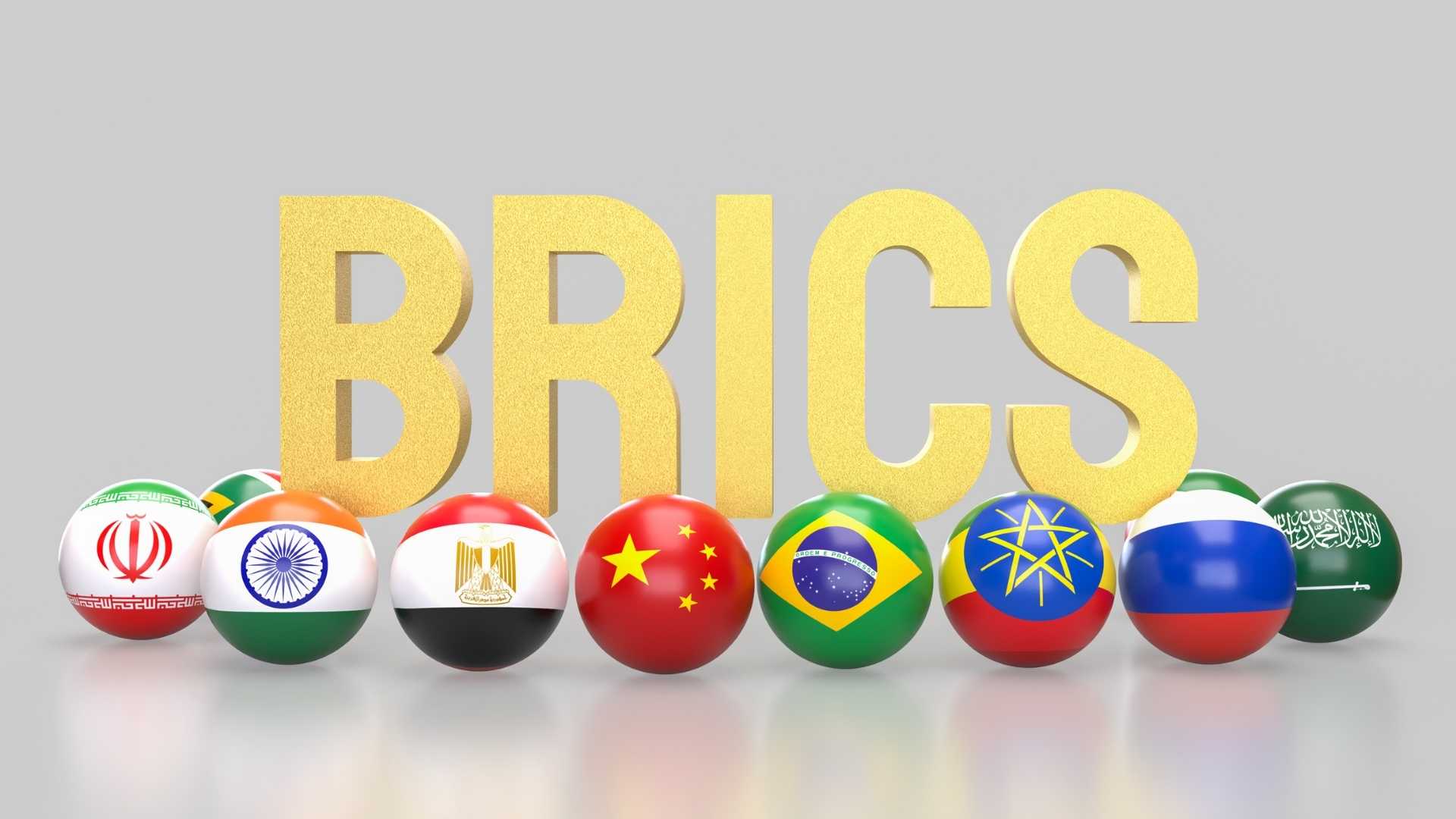
India was simultaneously preparing to host Iran’s President Masoud Pezeshkian for the BRICS 2026 Summit, marking the 75th anniversary of diplomatic ties. This juxtaposition underscores the delicate balance India must maintain between strategic multilateral commitments and external economic pressures.
"We will impose tariffs on any country trading with Iran that seeks to do business with the United States." — Donald Trump, U.S. President
The governance logic highlights that trade policies and foreign relations are interlinked; ignoring external pressures can risk sanctions or economic isolation, while neglecting diplomatic ties may weaken regional influence and strategic partnerships.
2. Strategic and Economic Implications
India’s engagement with Iran spans both bilateral and multilateral dimensions. Iran, a BRICS member since January 2024, plays a role in India’s regional connectivity plans through Chabahar port, enabling trade with Central Asia and Russia, and facilitating logistics to Afghanistan under the Taliban administration.
The U.S. tariff threat has implications for India’s foreign policy autonomy, trade diversification, and energy security. India must weigh compliance with U.S. economic policies against long-term investments in infrastructure and strategic partnerships in Iran and the region.
Impacts:
- Potential reduction in bilateral trade volumes.
- Delay or modification of high-level visits, including Foreign Minister Syed Abbas Araghchi’s trip.
- Strategic recalibration in BRICS diplomacy and regional connectivity projects.
"As BRICS Chair, India will highlight that the intergovernmental organisation is capable of absorbing global shocks." — S. Jaishankar, External Affairs Minister
Effective governance requires balancing geoeconomic imperatives with multilateral commitments; ignoring these risks economic losses and geopolitical misalignment.
3. Diplomatic and Geopolitical Dynamics
India’s diplomacy with Iran must consider U.S.-Iran tensions, domestic protests in Iran, and BRICS commitments. While India seeks to maintain its strategic autonomy, the ongoing public unrest in Iran and U.S. encouragement of protests highlight geopolitical volatility.
India’s external affairs machinery remains engaged with both U.S. and Iranian counterparts, discussing trade, critical minerals, nuclear cooperation, defence, and energy. This signals India’s emphasis on multi-track diplomacy, integrating bilateral, multilateral, and global economic concerns.
Impacts:
- Ensures India’s diaspora and energy security are protected amidst Iranian unrest.
- Preserves diplomatic channels for BRICS coordination and regional partnerships.
- Highlights India’s strategic balancing act between U.S. pressure and Iran’s cooperation.
"The ongoing public protests in Iran pose a serious threat to the current regime in Tehran." — Indian Government Official
Ignoring the multi-dimensional geopolitics may compromise India’s energy, trade, and strategic interests in West Asia and Central Asia.
4. Connectivity, Trade, and Regional Influence
Iran’s Chabahar port is crucial for India’s trade and connectivity objectives. India’s investments facilitate access to Afghanistan and Central Asia, bypassing Pakistan, and strengthen India’s regional influence.
Despite U.S. tariffs, Iran continues trading with China (40billion)andUAE(40 billion) and UAE (40billion)andUAE(30 billion), showing resilience and highlighting that U.S. measures may only partially disrupt trade flows. India must leverage these dynamics while ensuring compliance with global trade regulations and safeguarding national economic interests.
Policy Measures:
- Monitoring U.S. tariff implications on Indian imports and exports.
- Ensuring continuity of Chabahar-related projects despite geopolitical pressure.
- Engaging in BRICS to strengthen multilateral support for trade and investment diversification.
"Officials indicated that Iran’s escalating confrontation with the U.S. President has pushed the country into crisis for at least one month." — Government Source
Strategic foresight is required to prevent economic and diplomatic fallout; neglecting regional connectivity projects may reduce India’s leverage in West Asia and Central Asia.
5. Key Takeaways for UPSC Mains
- India-Iran relations exemplify strategic autonomy in action, balancing economic, energy, and multilateral priorities.
- Geopolitical developments, such as U.S. tariffs and domestic unrest in Iran, directly influence regional trade, energy security, and diplomacy.
- Participation in BRICS offers India a platform to mitigate global shocks and safeguard its interests, but requires nuanced diplomacy in times of international tension.
"India’s policy on Iran will be keenly watched as the Islamic Republic is a member of BRICS, of which India has been a founding member." — Government Source
For governance and international relations, this case underlines the necessity of multi-layered policy-making, integrating domestic economic considerations with global strategic imperatives.