Sanae Takaichi’s Electoral Mandate and Its Implications for Japan and the Indo-Pacific
1. Political Transition and Leadership Shift in Japan
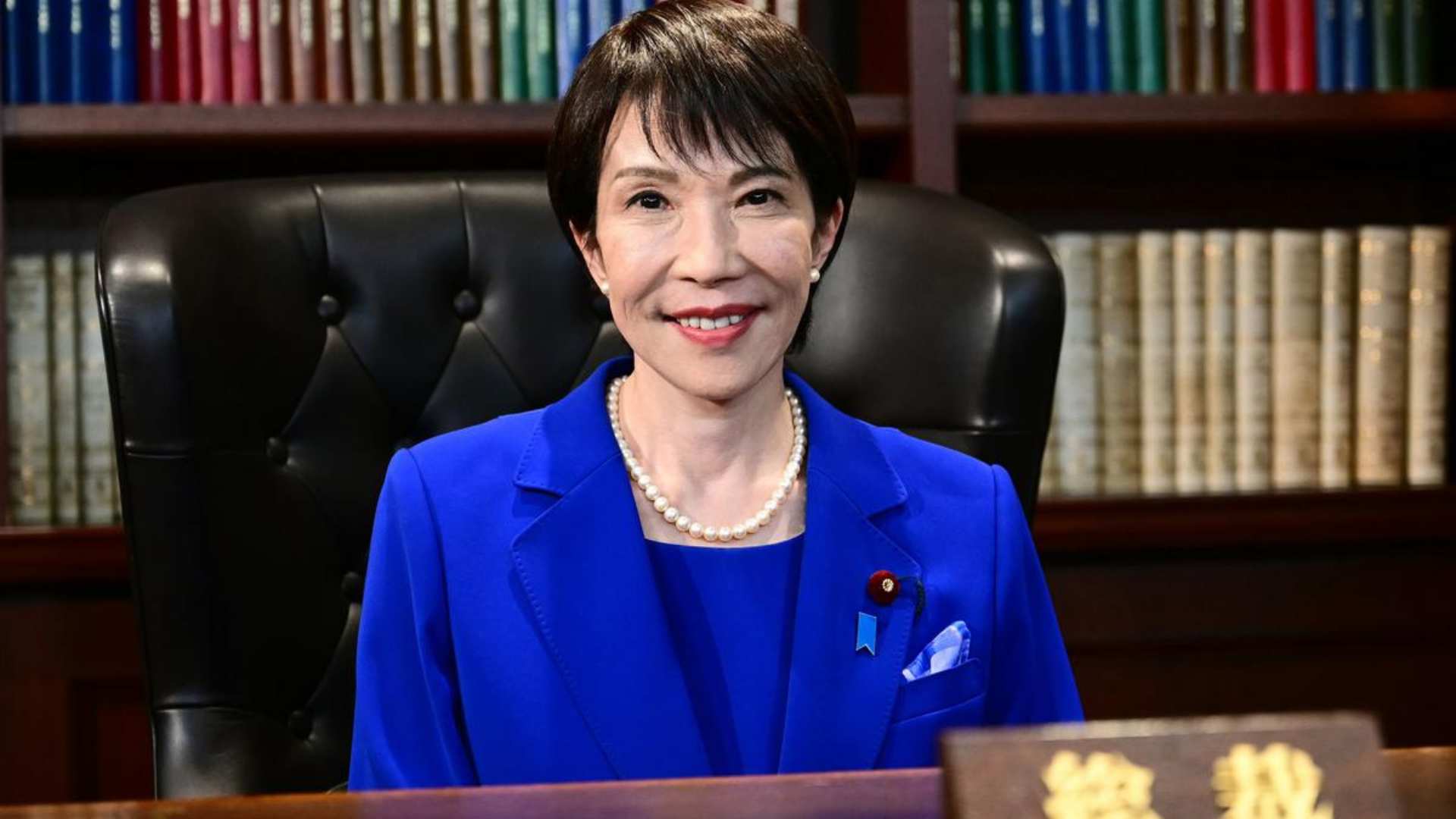
Sanae Takaichi’s decisive victory in the snap elections marks a significant inflection point in Japanese politics. Appointed Prime Minister in October, she sought electoral validation and secured a commanding mandate, strengthening her political authority. Her rise is symbolically important as she becomes Japan’s first woman Prime Minister in a society historically characterised by entrenched gender roles.
Her political ascent is also noteworthy for occurring outside Japan’s traditional dynastic networks that have shaped post-war politics. A protégé of Shinzo Abe, she embodies a conservative, nationalist strand within the Liberal Democratic Party (LDP). Her leadership combines ideological continuity with Abe’s strategic outlook and a strong reformist orientation.
The election results have consolidated her power within Parliament, reducing internal party constraints and enabling a more assertive policy agenda. This political capital may allow her to pursue structural reforms and constitutional changes that were previously contested.
Parliamentary Strength:
- LDP won 316 out of 465 lower house seats
- Earlier tally: 198 seats
- With coalition partner Japan Innovation Party: 352 seats
- Super-majority enables override of Upper House resistance
Electoral legitimacy transforms appointed leadership into consolidated authority. However, strong mandates also heighten expectations; failure to translate political capital into governance outcomes can rapidly erode public trust.
2. Fiscal Populism, Debt Pressures, and Economic Stability
A central pillar of Ms Takaichi’s campaign was a two-year suspension of the 8% consumption tax on food to ease rising living costs. The policy aims to boost household purchasing power amid yen depreciation and increased energy and food import costs.
However, Japan already faces high public debt levels. The tax suspension is estimated to result in annual foregone revenue of approximately 5 trillion yen, unsettling bond markets. Rising yields following her electoral victory indicate concerns about fiscal sustainability.
The weakening yen since her appointment in October has amplified import costs, intensifying inflationary pressures. Thus, her “spend-and-stimulate” approach is being tested by macroeconomic constraints, especially market confidence in fiscal prudence.
Economic Concerns:
- Annual revenue loss: 5 trillion yen
- Rising bond yields post-election
- Weakening yen raising import costs
Expansionary fiscal measures may offer short-term relief but can destabilise debt-heavy economies if not backed by structural reforms. Ignoring fiscal credibility risks market backlash and long-term growth stagnation.
3. Structural Socioeconomic Challenges: Ageing and Labour Shortages
Japan’s long-standing demographic crisis remains a critical constraint. A rapidly ageing population and strict immigration policies have resulted in acute labour shortages across multiple sectors.
Ms Takaichi has indicated reluctance to liberalise immigration. Instead, her approach emphasises greater automation, technological adoption, and enhanced participation of women in the workforce. While these measures may partially offset labour gaps, they may not fully substitute for demographic replenishment.
The demographic imbalance has implications beyond economics, affecting social security sustainability, productivity growth, and long-term competitiveness.
Structural Issues:
- Rapidly ageing population
- Strict immigration regime
- Acute labour shortages in multiple sectors
Demographic decline directly affects fiscal sustainability and productivity. Without calibrated labour market reforms, reliance solely on technology and domestic participation may prove insufficient to sustain growth.
4. Constitutional Reinterpretation and Defence Expansion
On the strategic front, Ms Takaichi has signalled a shift away from Japan’s traditional equidistance between the United States and China. She has advocated raising defence spending and weakening the pacifist constraints of Japan’s Constitution to counter perceived Chinese threats, especially near Taiwan and disputed islands.
This reflects ideological continuity with Shinzo Abe’s security doctrine, favouring a more assertive Japan. However, such a shift risks escalating tensions in an already volatile East China Sea region.
Beijing has condemned what it terms Japan’s “return to militarism” and warned of a “resolute” response if rearmament persists. Thus, domestic constitutional reform intersects directly with regional security stability.
Security expansion enhances deterrence but can trigger security dilemmas. If strategic signalling is not calibrated, it may intensify regional arms races and undermine economic interdependence.
5. US Alignment, China Tensions, and Indo-Pacific Geopolitics
Ms Takaichi has actively strengthened ties with US President Donald Trump, signalling a stronger alignment with Washington. This marks a departure from Japan’s balancing posture between its principal security ally (US) and largest trading partner (China).
A recent dispute over rare-earth exports has exposed vulnerabilities in Japanese electric vehicle and defence manufacturing, highlighting strategic dependence on China. Escalating tensions could disrupt supply chains critical to Japan’s industrial ecosystem.
The broader Indo-Pacific implications are significant. Japan’s shift could reinforce US-led security frameworks but may also deepen bloc politics in the region.
-
Geopolitical Dimensions:
- Tilt towards US alliance
- Rare-earth export dispute with China
- Heightened tensions across East China Sea
Overdependence on a distant ally while antagonising a proximate economic partner creates strategic asymmetry. Failure to balance security imperatives with economic interdependence may impose long-term strategic costs.
6. Governance Trade-offs: Reform Zeal vs Systemic Constraints
Ms Takaichi presents herself in the mould of reform-oriented conservative leadership, akin to Margaret Thatcher. Her strong mandate enables policy experimentation in taxation, defence, and economic restructuring.
However, structural realities—high public debt, demographic stress, economic interdependence with China, and regional security volatility—limit unilateral transformation. Reformist zeal must therefore operate within institutional, fiscal, and geopolitical constraints.
Japan’s trajectory under her leadership will likely hinge on whether bold policy moves are accompanied by institutional consensus and economic prudence.
Transformational leadership requires synchronising political mandate with institutional capacity. Ignoring systemic constraints risks policy reversals and strategic instability.
Conclusion
Sanae Takaichi’s electoral mandate marks a pivotal moment in Japan’s domestic politics and Indo-Pacific strategy. While her consolidation of power offers opportunities for economic and constitutional reform, structural demographic challenges, fiscal pressures, and delicate regional geopolitics impose clear limits.
The long-term success of her tenure will depend on balancing domestic reform with fiscal sustainability and strategic assertiveness with regional stability—choices that will shape Japan’s developmental trajectory and the Indo-Pacific order.