Venezuela Political Crisis and U.S. Intervention (Jan 2026)
1. Context and Overview of the Crisis
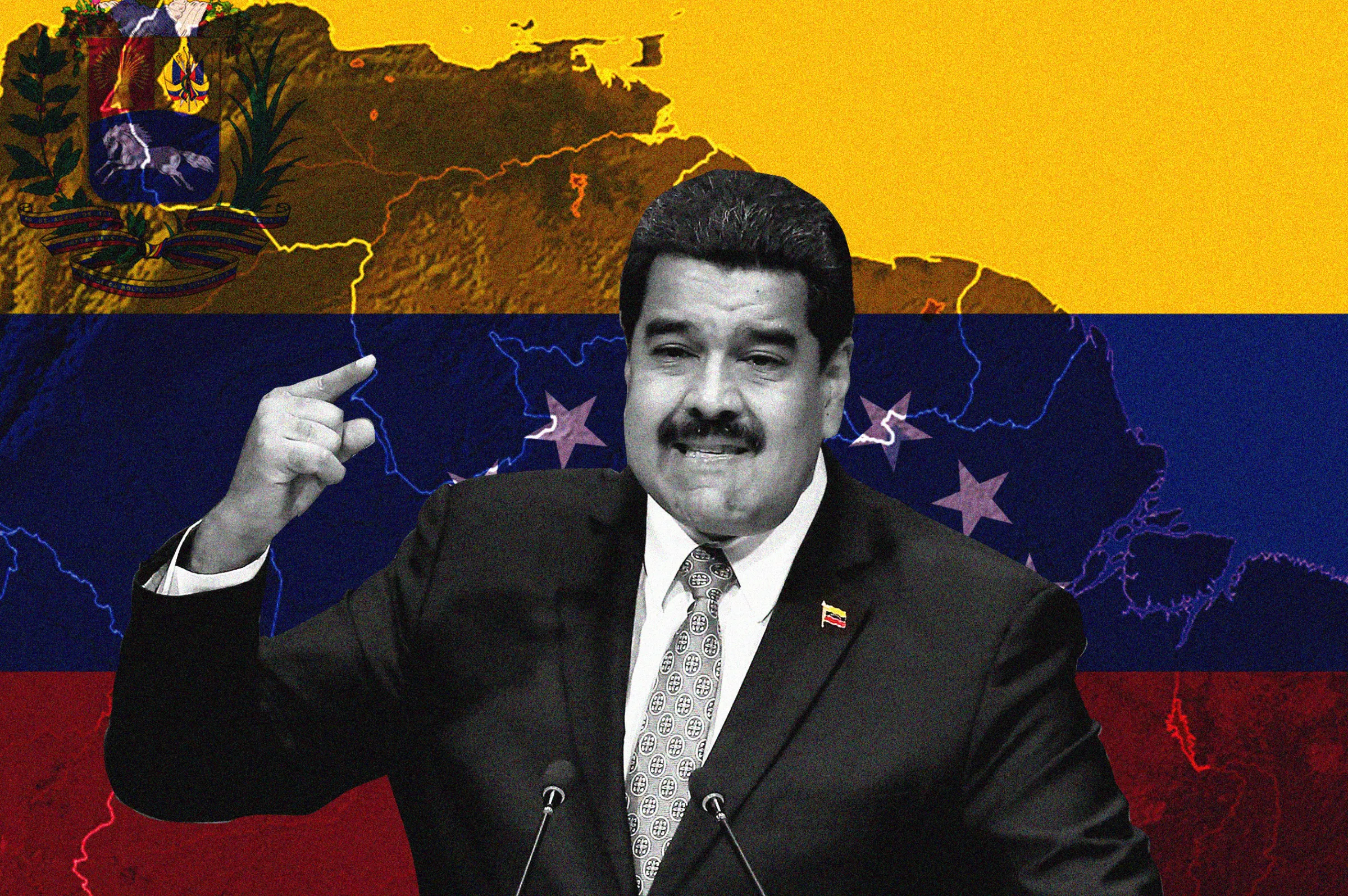
Venezuela faced an unprecedented political shock on January 3–4, 2026, when President Nicolás Maduro was captured by U.S. forces during a nighttime military operation conducted without Congressional approval. The operation targeted Maduro and his wife, Cilia Flores, over U.S. charges of participation in a narco-terrorism conspiracy, reflecting the increasing intertwining of international security and drug-related criminality. The capture was executed at a military base in Caracas, highlighting the operational capability of external actors within a sovereign state.
The immediate constitutional response in Venezuela involved the Supreme Court’s Constitutional Chamber, which designated Vice-President Delcy Rodríguez as acting president to ensure administrative continuity. Rodríguez emphasized Maduro as the legitimate president, illustrating the tension between de jure authority and de facto power.
This episode underscores how foreign intervention, legal mechanisms, and domestic institutions interact during sudden leadership vacuums. It highlights risks to state sovereignty and the potential disruption to governance if constitutional continuity is not clearly established.
The governance logic here is that sudden leadership vacuums, if unaddressed, can destabilize administrative functions, weaken civilian authority, and invite external influence, impacting both domestic and international credibility.
2. Legal and Constitutional Dimensions
The Venezuelan Constitutional Chamber of the Supreme Court acted swiftly to maintain governmental operations, invoking the principle of forced absence of the president. This allowed Rodríguez to assume the acting presidency temporarily, ensuring continuity in the administration and defense of sovereignty.
Simultaneously, the episode demonstrates the limits of domestic legal frameworks in constraining foreign intervention. While the Court can designate interim leadership, it cannot prevent external forces from acting unilaterally, creating a gap between legal authority and enforceable sovereignty.
Institutionally, robust constitutional provisions for continuity are essential; failure to enforce them or anticipate foreign actions can erode public trust and weaken democratic structures.
3. International Intervention and Implications
The U.S. military operation targeting Maduro represents a high-stakes example of interventionism and raises questions of international law and sovereignty. The raid, executed without legislative approval, underscores how executive decisions can directly influence foreign political dynamics. President Trump stated intentions to leverage the leadership void to revitalize Venezuela’s oil infrastructure and increase exports.
-
Impacts:
- Civilian and military casualties reported, though exact figures remain unclear.
- Disruption of daily life in Caracas: business closures, limited transportation, and reduced public activity.
- Potential precedent for foreign interventions in politically unstable states.
Ignoring international norms during interventions risks global condemnation, diplomatic isolation, and escalation of local instability, demonstrating the need for balancing strategic objectives with legal and ethical constraints.
4. Political and Economic Consequences
Venezuela’s ruling party has maintained power since 1999, reflecting long-term political continuity rooted in Hugo Chávez’s socialist agenda. The sudden removal of Maduro challenges both party legitimacy and administrative stability.
Economically, control over Venezuela’s oil assets is central to U.S. strategic interests, given the country’s long-term resource potential. Trump’s intention to restructure oil production highlights the intersection of political instability and resource exploitation, which can affect global energy markets and domestic revenue streams.
-
Impacts:
- Potential short-term disruption in oil supply and pricing.
- Economic uncertainty may exacerbate humanitarian challenges, including scarcity of essential goods.
Governance logic: Political instability combined with strategic resource control can intensify socio-economic vulnerabilities, requiring institutional mechanisms to maintain continuity and prevent external exploitation.
5. Civil-Military Dynamics and Governance Challenges
The operation involved direct military engagement, resulting in casualties among civilians and members of the Venezuelan military. This emphasizes the civil-military interface in political crises, where loyalty and control of armed forces determine the effectiveness of constitutional and executive measures.
The Venezuelan case demonstrates how internal institutions, like the Supreme Court and executive offices, are interlinked with military structures. Disruption in this interface can amplify governance risks and increase susceptibility to external coercion.
If civil-military coordination is weak, administrative continuity and national sovereignty are compromised, weakening both domestic governance and international credibility.
6. Global Reactions and Strategic Implications
The Maduro capture elicited divided global reactions, illustrating how unilateral military actions affect international norms. Countries with strategic or economic stakes in Venezuela, including India, issued advisories and refrained from engagement, reflecting cautious diplomacy.
The event demonstrates the interplay between foreign policy, security imperatives, and economic interests. It also highlights the need for multi-lateral frameworks to manage state sovereignty, cross-border operations, and post-crisis governance.
Ignoring international perspectives can result in diplomatic isolation, hinder economic cooperation, and compromise long-term national interests.
7. Way Forward and Governance Lessons
The Venezuelan crisis underscores the necessity of:
- Strengthening constitutional provisions for leadership vacuums.
- Enhancing civil-military coordination to safeguard governance.
- Integrating domestic institutions with international law to resist unilateral interventions.
- Developing contingency plans for resource management during political instability.
Proactive governance, institutional resilience, and adherence to legal frameworks are crucial to preserving sovereignty, ensuring continuity, and mitigating economic and social disruption during crises.
Key Statistics / Data from the Event
- Date of capture: January 3–4, 2026
- Location: Caracas, Venezuela
- U.S. forces involved: Nighttime operation, no Congressional approval
- Civilian & military casualties: Not specified; confirmed casualties on both sides
- Historical context: Ruling party in power since 1999
Conclusion: The capture of Maduro highlights the intersection of constitutional law, international intervention, and strategic resource management. Effective governance requires robust legal frameworks, institutional resilience, and coordination with global norms. This case provides critical lessons for managing political vacuums, safeguarding sovereignty, and mitigating socio-economic fallout during sudden crises.