
1. Context of the Alleged Drone Attack on Novgorod
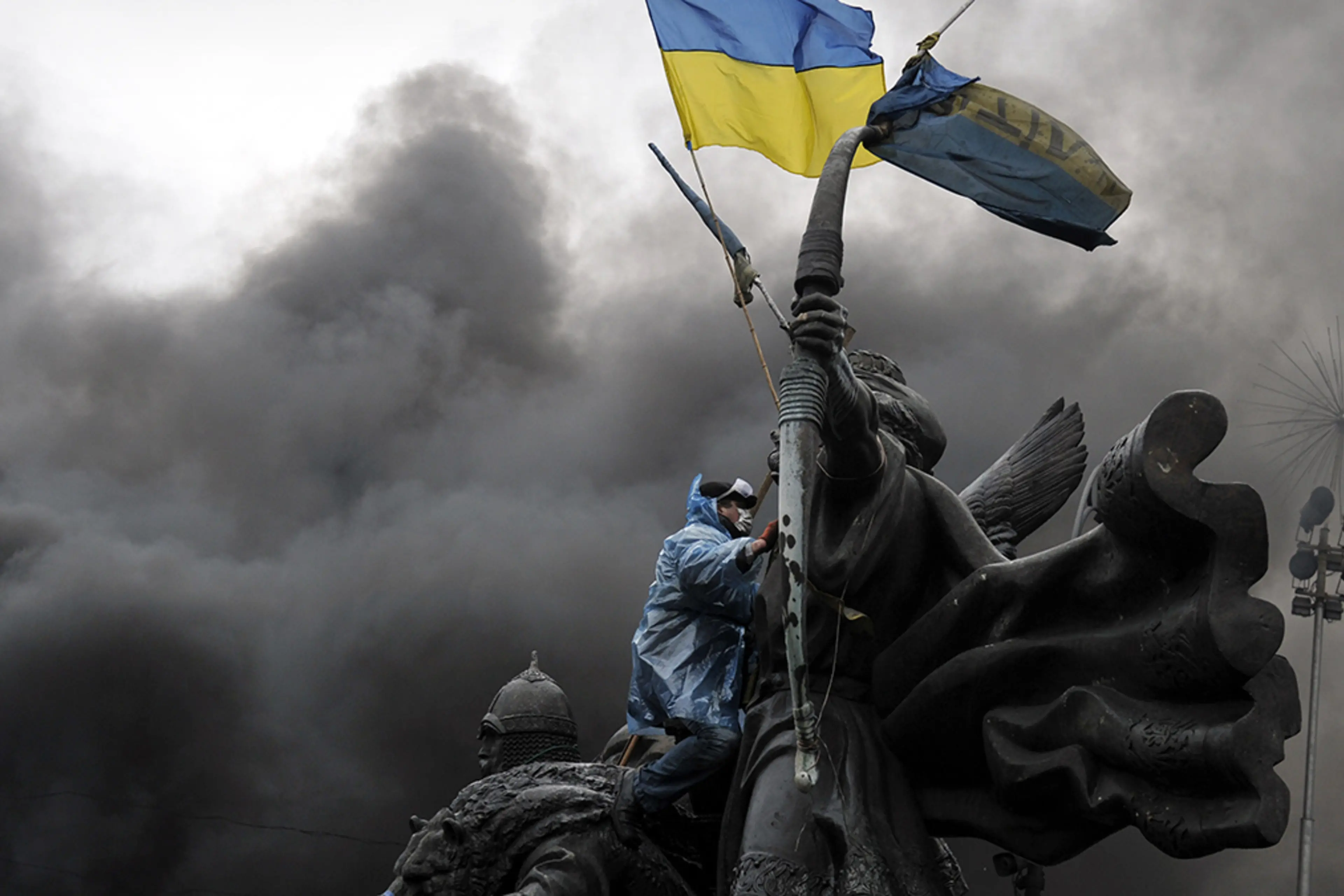
Russia has alleged that Ukraine launched a massive drone attack on President Vladimir Putin’s country residence in the Novgorod region. According to Moscow, 91 long-range drones targeted the heavily fortified site, historically used by Soviet leaders such as Joseph Stalin and Nikita Khrushchev. The Kremlin released footage of a downed drone and shared data with the U.S., claiming it proves Ukraine’s involvement. Ukraine has dismissed the allegations as fabricated, while U.S. media citing CIA sources have also reported that Ukraine was likely not responsible.
The significance lies not only in the potential security breach but also in the geopolitical narrative it generates. Such accusations, whether true or not, affect perceptions of the war’s trajectory and the credibility of international intelligence assessments.
The governance implication is that misinformation or contested intelligence in international conflicts can exacerbate tensions and complicate diplomatic resolution efforts, potentially destabilising regional security.
2. Historical and Strategic Context
Ukraine has previously conducted sabotage operations both domestically and abroad. A notable instance is the Nord Stream pipeline bombing in September 2022, initially attributed to Russia but later linked to Ukrainian nationals. While the responsibility of Ukraine remains debated, the episode demonstrates that strategic infrastructure and high-value targets are increasingly involved in the conflict.
Russia, on its part, is expected to provide credible evidence before attributing such attacks. Failure to do so weakens international trust and complicates mediation efforts.
From a policy perspective, robust verification mechanisms are essential in conflict governance. Ignoring such measures risks escalation based on unverified claims and undermines international legal norms.
3. Timing and Diplomatic Implications
The alleged drone attack coincided with Ukraine President Volodymyr Zelenskyy’s meeting with former U.S. President Donald Trump in Florida, where security guarantees and peace agreements were reportedly discussed. This timing has intensified the conflict’s diplomatic complexity. Moscow has signalled a harder negotiating stance following the allegations, which undermines fragile peace efforts and prolongs conflict resolution timelines.
-
Impacts:
- Potential derailment of multilateral peace negotiations involving U.S., Russian, European, and Ukrainian officials.
- Increased risk of retaliatory military actions escalating regional instability.
- Complication in international mediation due to contested narratives.
For governance, such timing underscores the need for careful synchronization between military actions and diplomatic initiatives. Ignoring the timing can jeopardize conflict resolution and prolong civilian suffering.
4. Escalation and Civilian Impacts
On New Year’s Eve, Ukraine allegedly struck a cafe and hotel in the Russian-held Kherson region, resulting in 27 fatalities, including a child, and over 50 injuries. Concurrently, Russia intensified its strikes on Ukraine, causing severe power shortages during winter. These developments reflect an escalation that affects civilian life, infrastructure, and regional stability.
-
Impacts:
- Humanitarian crisis due to civilian casualties and energy shortages.
- Increased pressure on international relief and monitoring agencies.
- Heightened risk of wider European security implications due to involvement of nuclear powers.
Effective governance requires proactive civilian protection and conflict mitigation strategies. Failure to address escalation increases humanitarian costs and undermines regional stability.
5. Way Forward and Strategic Considerations
The allegations regarding Novgorod signal the volatility of the ongoing conflict. De-escalation and transparent verification of attacks are critical for resuming peace talks. The U.S., as a key mediator, must maintain diplomatic engagement while encouraging both Moscow and Kyiv to limit military escalation.
-
Policy measures:
- Establish independent verification mechanisms for cross-border attacks.
- Reinforce international norms to prevent misinformation-driven escalation.
- Strengthen diplomatic channels to maintain momentum in peace negotiations.
Long-term governance logic indicates that credible conflict management and transparent information sharing reduce escalation risks. Ignoring these elements may prolong war, exacerbate civilian suffering, and destabilize Europe.
6. Conclusion
The Novgorod incident highlights the intertwined nature of military action, intelligence credibility, and diplomacy in the Russia-Ukraine conflict. Ensuring verified information, safeguarding civilians, and maintaining multilateral negotiation channels are essential to prevent further escalation. Sustainable peace will depend on the balance between strategic security measures and proactive diplomatic engagement.
