1. Political Context and the LDP’s Resurgence
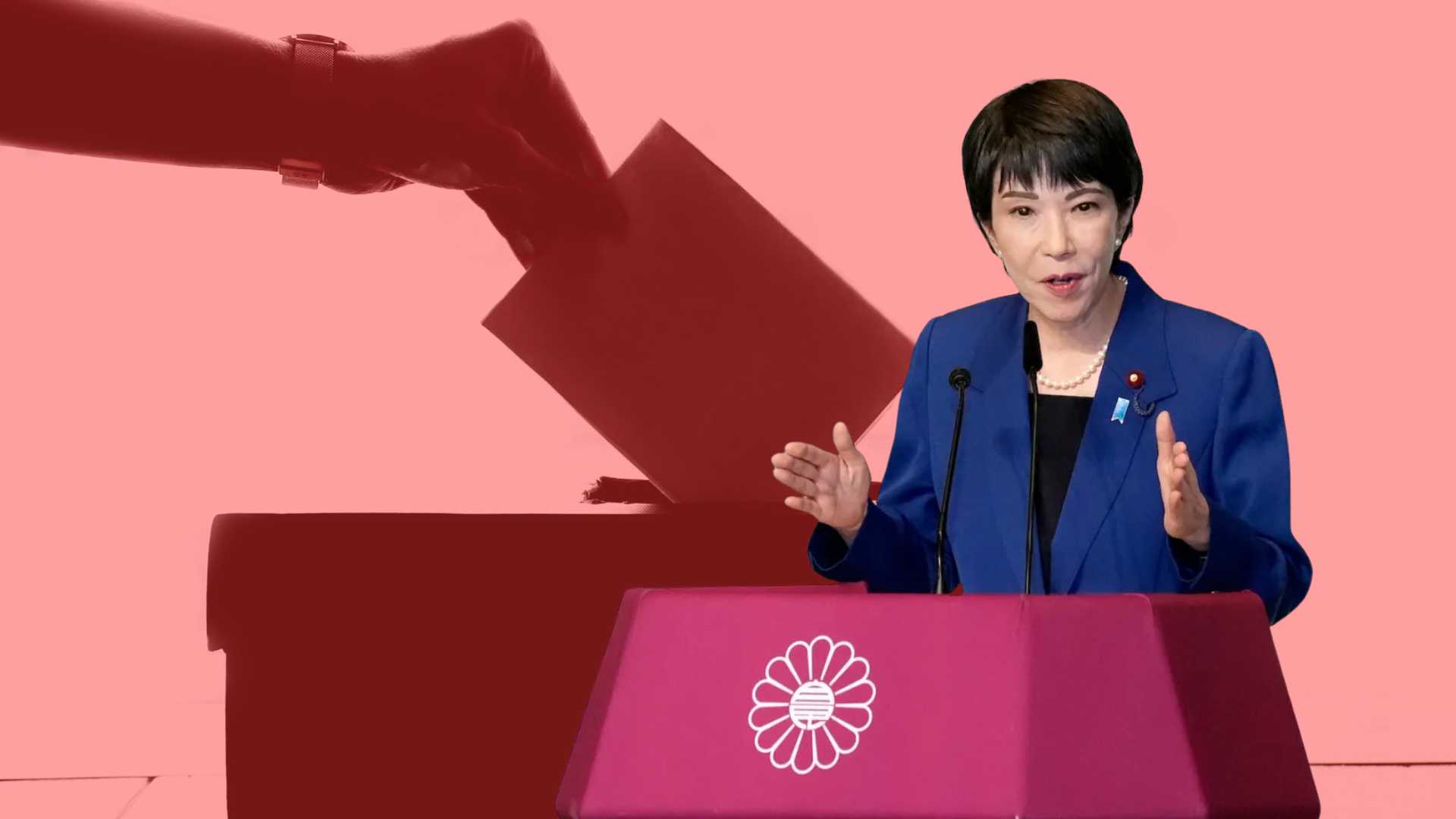
Japan’s snap election of 8 February 2026 produced a decisive victory for Prime Minister Sanae Takaichi, with the Liberal Democratic Party (LDP) securing 316 of 465 lower-house seats—its strongest post-war mandate. This marks a sharp turnaround for a party that had recently suffered electoral setbacks and internal scandals. The result restores political stability and consolidates executive authority at a time when Japan faces complex demographic, economic and security challenges.
Ms. Takaichi became Japan’s first woman Prime Minister in October 2025 at a moment of institutional fragility. The LDP had lost its majority in the upper house, raising doubts about governance continuity and policy implementation. Her immediate task was to stabilise party morale, rebuild public credibility and secure a mandate strong enough to guide long-term reforms. The snap election result effectively validates her leadership strategy and internal consolidation.
The political comeback is also shaped by her conservative-nationalist positioning aligned with former PM Shinzo Abe. Her emphasis on immigration control, tax cuts and assertive foreign policy resonated with sections of the electorate seeking strong leadership amid regional geopolitical turbulence. However, such ideological rigidity also risks polarisation and constraints on inclusive governance.
The governance logic here is that a strong mandate reduces legislative paralysis and enables coherent policy execution; however, if used to advance polarising agendas, it can erode social consensus, reduce administrative legitimacy and undermine long-term policy stability.
2. Ideological Orientation and Domestic Policy Agenda
Ms. Takaichi advocated a “Trumpian” policy blend—economic populism coupled with nationalist conservatism. Her government pledged tougher immigration rules, emphasising cultural assimilation and stricter naturalisation conditions. This responds to public anxieties but risks shrinking an already ageing labour force, thereby aggravating productivity and welfare burdens.
The rollback of the unpopular fuel tax and promises of additional tax cuts boosted her popularity. However, these measures limit fiscal space in an economy facing rising social security costs, wage stagnation and shrinking working-age cohorts. Sustaining redistributive commitments alongside tax reductions is likely to demand difficult trade-offs.
Her repeated visits to the Yasukuni Shrine, opposition to same-sex marriage and calls from supporters to amend Japan’s pacifist Constitution reflect the ideological roots of her political brand. These reinforce her conservative core base but could complicate efforts to govern inclusively and maintain Japan’s global image as a progressive, rules-based democracy.
If the ideological thrust dominates policy choices, it may crowd out essential socio-economic reforms, reducing policy adaptability and creating long-term structural strain, particularly in a society confronting demographic decline and gender inequality.
3. Foreign Policy Assertiveness and China–Taiwan Dynamics
Ms. Takaichi has articulated a more assertive foreign policy, stating that Japan could militarily intervene if China attacked Taiwan. This represents a departure from Japan’s traditional posture of strategic ambiguity and pacifist restraint. The statement triggered immediate Chinese economic responses, including restrictions on Japanese seafood imports and curbs on critical mineral exports.
Such moves highlight the vulnerability of Japan’s economy to geopolitical friction with its largest trading partner. They also illustrate how security signalling in the Taiwan Strait can spill over into trade, supply chains and energy security. Her ideological proximity to former PM Abe and warm personal ties with U.S. President Donald Trump further pull Japan toward a more militarised alliance posture.
However, deeper security commitments may carry long-term consequences for regional stability, bilateral economic resilience and Japan’s constitutional debates. As Japan’s economy remains intertwined with China’s, escalatory rhetoric risks jeopardising growth, investment flows and technology cooperation.
If Japan abandons strategic ambiguity, it could reduce diplomatic flexibility, heighten regional tensions and expose the domestic economy to retaliatory measures—ultimately constraining Japan’s ability to pursue independent, long-term strategic interests.
4. Economic Priorities and Structural Challenges
Japan’s post-war peace facilitated rapid reconstruction, industrialisation and improved living standards. The present moment requires similar structural investment rather than heightened militarisation. With demographic ageing accelerating and wages remaining stagnant, focusing on economic revitalisation is central to long-term resilience.
The supermajority now available to the LDP provides the political opportunity to implement long-deferred reforms—labour market flexibility, productivity enhancement, gender empowerment and welfare redesign. A return to aggressive foreign policy risks diverting political capital and fiscal resources from these core development imperatives.
Japan continues to face persistent gender inequality, limiting labour force participation and innovation potential. As the first woman PM, Ms. Takaichi has symbolic influence, but her conservative stances may limit the advancement of progressive social reforms necessary for inclusive growth.
A militarised or ideologically narrow agenda could erode fiscal capacity, weaken human capital development, and reduce the state’s ability to address structural demographic and socio-economic challenges.
5. Way Forward for Japan’s Governance Trajectory
Japan’s mandate offers an opportunity to balance assertive leadership with pragmatic policymaking. Maintaining regional stability, especially regarding Taiwan, will require calibrated diplomacy rather than unilateral signalling. Reaffirming the post-war pacifist ethos can enhance Japan’s credibility as a stabilising actor in East Asia.
Domestically, policy focus must shift toward long-term economic renewal: strengthening welfare systems, improving labour productivity, supporting families, and reducing gender gaps. Crafting socially inclusive reforms would expand Japan’s economic base and reduce dependence on geopolitical risk-taking.
Finally, a measured approach to constitutional debates is essential. Wide social consensus, rather than majoritarian power, should guide any consideration of revising Article 9, ensuring democratic legitimacy and preserving Japan’s reputation as a peaceful nation.
Conclusion
Sanae Takaichi’s overwhelming mandate presents both opportunity and responsibility. A balanced combination of economic revitalisation, social inclusion and cautious foreign policy can secure Japan’s long-term stability. Harnessing political capital for structural reforms rather than ideological escalation will better align with Japan’s developmental needs and reinforce its role as a constructive actor in the Indo-Pacific.