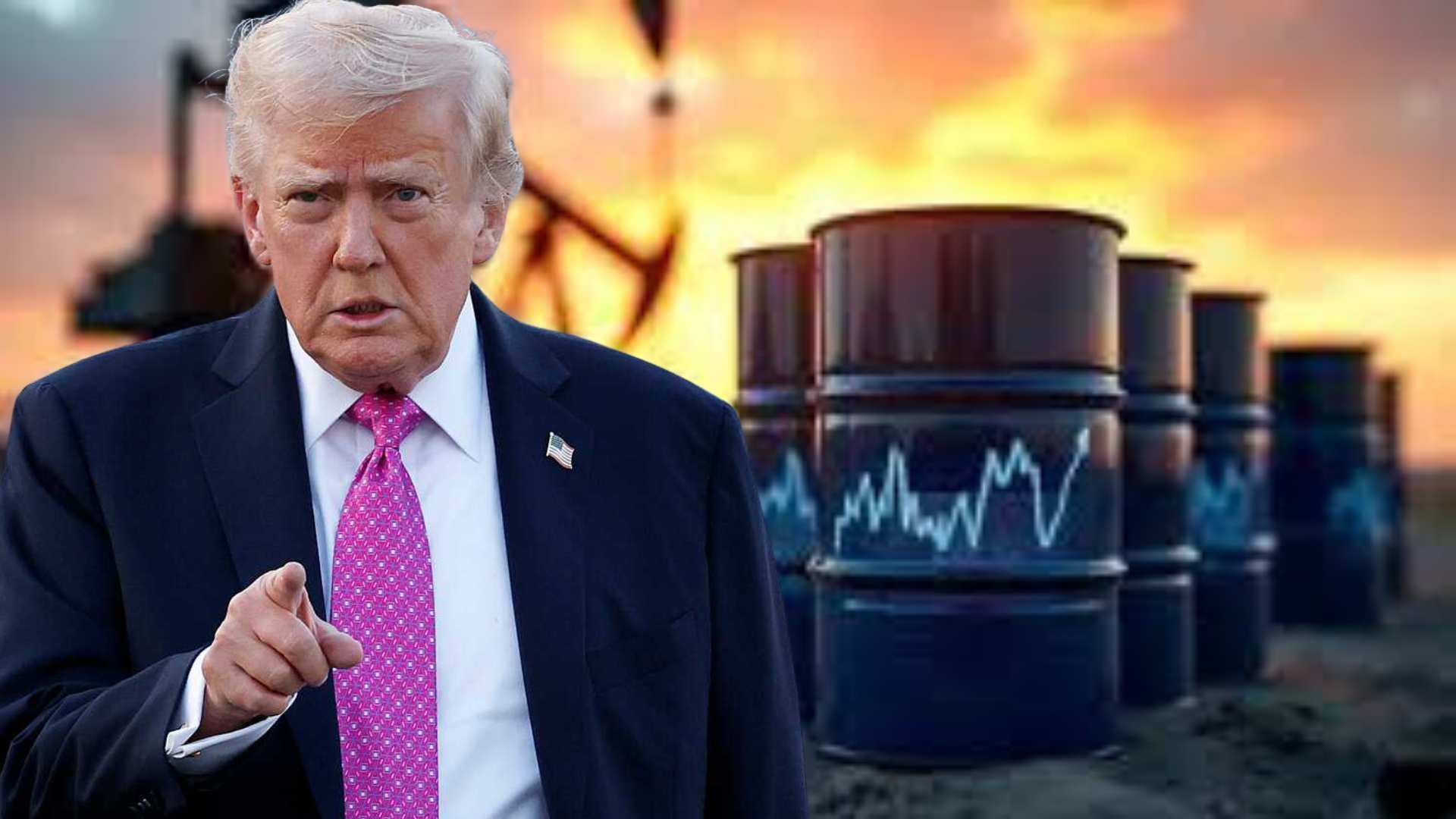
Trump Announces India's Purchase of Venezuelan Oil

President Trump's statements indicate a significant shift in India's oil imports linked to U.S.-India relations and global energy dynamics.
S
Surya
4 mins read
Trump says India to buy Venezuelan oil, replacing Russian imports
Not Started

1.Energy Geopolitics and India’s Oil Import Strategy

India is the world’s third-largest oil importer, making its energy security highly sensitive to geopolitical developments. Changes in global sanctions regimes and bilateral relations directly affect India’s sourcing choices and import costs.

The Reuters report highlights a U.S. proposal for India to resume purchases of Venezuelan oil. This is framed as a replacement for some Russian oil imports, reflecting Washington’s broader effort to reshape global energy flows amid sanctions on Russia.

Energy decisions are no longer purely commercial; they are increasingly embedded in strategic diplomacy. For India, balancing affordable energy access with external pressure has become a core governance challenge.

If ignored, such external influences can constrain India’s strategic autonomy and complicate long-term energy planning.

The logic lies in the intersection of energy security and foreign policy; neglecting this linkage risks policy incoherence and external vulnerability.


2. U.S. Sanctions, Tariffs, and Leverage over Oil Trade

The U.S. has used tariffs and sanctions as tools to influence India’s oil import behaviour. In March, a 25% tariff was imposed on countries buying Venezuelan oil, prompting India to halt imports from Caracas.

Subsequently, the U.S. doubled duties on Indian imports to 50% in August to pressure New Delhi to curb Russian oil purchases. These measures illustrate how trade policy is leveraged to achieve geopolitical objectives.

However, signals from the U.S. Treasury in January suggested possible tariff relief following a reported reduction in Indian imports of Russian oil. This indicates a calibrated use of coercion and incentives.

For governance, such episodic pressure creates uncertainty for Indian refiners and complicates long-term procurement contracts.

Key Measures:

  • 25% tariff on buyers of Venezuelan oil.
  • Import duties on Indian goods raised to 50%.
  • Possible rollback of additional 25% duty signaled in January.

The logic is conditional economic pressure to induce policy change; if unmanaged, it can destabilise trade relations and investor confidence.


3. Evolution of India’s Crude Oil Sourcing Pattern

India stopped importing Iranian oil in 2019 due to U.S. sanctions over Tehran’s nuclear programme. To compensate, Indian refiners initially increased purchases of U.S. crude.

After 2022, India became the top buyer of Russian seaborne oil sold at a discount following Western sanctions on Moscow for its invasion of Ukraine. This shift was driven by price considerations and supply reliability.

The proposed move towards Venezuelan oil represents another adjustment rather than a structural shift, underscoring India’s pragmatic diversification strategy.

For development, affordable crude imports help manage inflation and fiscal pressures, but frequent changes increase transaction and compliance costs.

The logic reflects adaptive diversification under constraints; ignoring supply flexibility would expose the economy to price shocks.


4. Venezuela Sanctions Easing and Strategic Calculations

The U.S. recently lifted some sanctions on Venezuela’s oil industry to facilitate crude sales, including by U.S. companies. This policy shift creates space for countries like India to re-enter Venezuelan markets.

For Washington, easing sanctions serves dual purposes: reducing global oil tightness and redirecting demand away from sanctioned Russian supplies.

For India, Venezuelan oil offers an additional source but comes with geopolitical sensitivity and uncertainty over policy reversals.

Failure to assess such risks could lock refiners into unstable supply arrangements.

The logic is selective sanctions relaxation to influence global markets; ignoring volatility risks undermining energy security.


5. Implications for India–U.S. Relations and Global Energy Order

Trump’s remarks that India would buy Venezuelan oil signal an attempt to project improving bilateral relations after a period of strain. Energy cooperation thus becomes a barometer of broader strategic ties.

The mention of China also being open to Venezuelan oil indicates competitive diplomacy, where energy access is used to shape alignments among major importers.

At the global level, the episode reflects fragmentation of the energy order, with sanctions, tariffs, and exemptions reshaping traditional market mechanisms.

For India’s foreign policy, this reinforces the need to safeguard strategic autonomy while engaging major powers.

"We've already made that deal, the concept of the deal." — Donald Trump

The logic links energy diplomacy with great power competition; ignoring this nexus weakens negotiating leverage.


Conclusion

The reported shift towards Venezuelan oil illustrates how India’s energy security is increasingly shaped by geopolitical bargaining rather than market forces alone. A calibrated approach that preserves diversification, affordability, and strategic autonomy will be essential for long-term economic stability and effective foreign policy management.

Quick Q&A

Everything you need to know

Context:
India’s decision to resume oil imports from Venezuela reflects a strategic adjustment in its energy diversification policy. After stopping Iranian crude imports in 2019 due to U.S. sanctions, India relied on Russian and U.S. oil to meet domestic demand. Resuming Venezuelan oil allows New Delhi to reduce dependence on any single supplier and enhance energy security.

Geopolitical implications:
This move occurs against a backdrop of U.S.-India engagement, where previous tariffs and sanctions had constrained India’s oil options. The U.S. lifting some sanctions on Venezuela’s oil sector signals tacit support for this diversification. By balancing imports from multiple sources, India strengthens its negotiating position in global energy markets and reduces vulnerability to supply disruptions.

Economic and energy security considerations:
Diversification allows Indian refiners to access discounted crude supplies, potentially lowering import bills and domestic fuel costs. However, logistical and quality considerations—such as shipping distances and crude grade compatibility—must be managed. Historically, India’s use of Russian discounted oil after the 2022 Ukraine sanctions shows that opportunistic procurement can provide both economic and strategic benefits.

Historical background:
India stopped loading Iranian crude in 2019 following U.S. sanctions imposed over Tehran’s nuclear programme. These sanctions included secondary measures, such as penalties on nations or companies transacting with Iran, which exposed Indian refineries to financial and reputational risks.

Energy and foreign policy considerations:
Iranian oil was once a significant component of India’s import mix, but adherence to U.S. sanctions necessitated sourcing from alternative suppliers like Russia, the U.S., and other Middle Eastern nations. This decision reflects India’s need to balance energy security with maintaining stable diplomatic and economic relations with major global powers.

Broader strategic rationale:
Avoiding Iranian crude allowed India to mitigate exposure to international penalties and maintain access to global financial channels for oil transactions. It also demonstrates how energy procurement decisions are intertwined with international geopolitics, requiring India to navigate sanctions regimes while ensuring uninterrupted energy supply.

Mechanism of impact:
U.S. tariffs act as economic pressure to influence India’s energy choices. In March, former President Trump imposed a 25% tariff on Indian imports linked to India’s purchases of Venezuelan oil. In August, this was doubled to 50% to curb India’s import of Russian oil. Tariffs increase the cost of exports to the U.S., affecting India’s trade balance.

Strategic response by India:
Despite these tariffs, India continued importing Russian oil, leveraging discounted pricing to meet domestic energy demand. The imposition of tariffs illustrates how energy procurement decisions are closely monitored by major powers. India’s eventual agreement to buy Venezuelan oil indicates a diplomatic resolution where both energy and trade concerns are balanced.

Policy implications:
The episode underscores that India’s oil import strategy is not solely an economic calculation but a multidimensional strategy involving geopolitics, trade negotiations, and energy security. India must maintain flexibility to adjust suppliers, diversify crude sources, and engage in dialogue with trading partners to mitigate the impact of extraterritorial sanctions.

Benefits:
Relying on Venezuelan oil can provide India with a diversified supply chain and reduced geopolitical exposure. Venezuelan crude is often available at discounted prices, offering potential economic gains for Indian refiners. Additionally, this move aligns with improving India-U.S. relations, as U.S. sanctions on Venezuela have been eased to facilitate such trade.

Risks and challenges:
There are logistical risks due to the long shipping routes from Venezuela to India, which increase transportation costs and delivery time. Political instability in Venezuela could affect the reliability of supply. Moreover, crude quality differences may require adjustments in refining processes, potentially raising operational costs. Geopolitically, balancing imports from Venezuela, Russia, and the U.S. may complicate India’s foreign policy stance, requiring careful diplomatic management.

Strategic assessment:
The decision illustrates a calculated risk where economic and diplomatic gains are weighed against operational and political uncertainties. Lessons from India’s past engagement with Iranian and Russian crude indicate that diversified procurement, while complex, enhances long-term energy security and bargaining leverage in global oil markets.

Case of Iranian oil:
India ceased loading Iranian crude in 2019 after the U.S. re-imposed sanctions following the withdrawal from the JCPOA. This required Indian refiners to source from alternative suppliers, including Russia and the U.S., despite the higher costs of U.S. oil.

Case of Russian oil:
Following the 2022 Russian invasion of Ukraine, Western sanctions targeted Russian oil exports. India capitalized on discounted Russian crude to secure cost-effective supply, even as geopolitical pressures from the U.S. and Europe mounted. U.S. tariffs on Indian goods in 2022 highlighted the intersection of energy procurement and trade policy.

Insights:
These examples demonstrate that international sanctions directly affect India’s oil import strategy, compelling diversification and strategic flexibility. India balances economic efficiency with diplomatic and geopolitical considerations, ensuring energy security while navigating sanctions-induced constraints.

Energy diplomacy goals:
India’s engagement with Venezuela showcases a proactive approach to energy diplomacy, aiming to secure affordable crude supplies while maintaining strategic autonomy. By negotiating purchases despite prior U.S. sanctions, India signals its ability to navigate complex geopolitical landscapes and protect national energy interests.

Balancing global relationships:
The move also illustrates India’s careful balancing act between major powers. Resuming Venezuelan oil helps diversify supply away from Russia while aligning with improved U.S.-India relations, particularly after U.S. sanctions on Venezuelan oil were eased. This reflects India’s broader objective of sustaining energy security without compromising diplomatic ties with multiple stakeholders.

Implications for energy security:
By engaging Venezuela, India reduces dependency on any single supplier, manages pricing risks, and strengthens resilience against global oil market volatility. Similar strategies can be seen in India’s diversified import policy from the Middle East, Africa, and North America. This case highlights that energy imports are not just commercial transactions but instruments of strategic diplomacy.

Attribution

Original content sources and authors

Sign in to track your reading progress

Comments (0)

Please sign in to comment

No comments yet. Be the first to comment!