
US-Venezuela Crisis: Geopolitics, Sovereignty, and Energy Control
1. Context: Venezuela and US Intervention
Venezuela has emerged as a focal point of international attention due to direct interventions by the United States under the Trump administration. These actions included the abduction of a sitting head of state and the imposition of a naval blockade, signaling an unprecedented level of external influence over a sovereign nation.
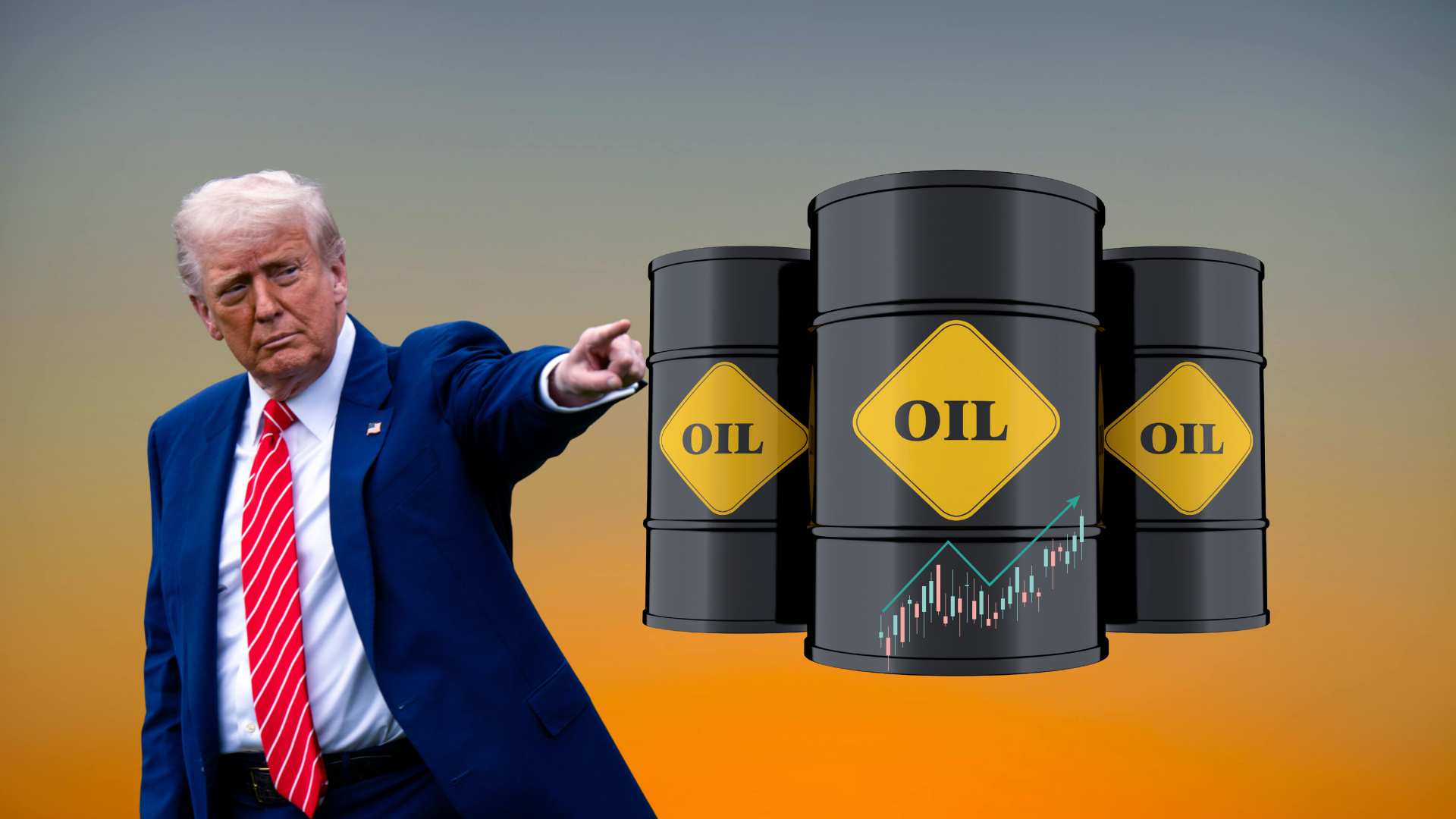
While the US officially claimed its interventions were motivated by democracy promotion and counter-narcotics, analysis suggests the underlying objective is control over Venezuela’s vast oil reserves. By engaging with the existing regime rather than dismantling it, Washington appears to pursue a strategy of neo-colonial resource control without the costs associated with occupation or regime change.
This strategy mirrors lessons drawn from prior interventions, notably Iraq, where dismantling state structures led to insurgencies and political instability.
Effective governance and international stability are compromised when economic interests override sovereignty, as it risks long-term political and social destabilisation.
2. Domestic Challenges and Political Pressures
Acting President Delcy Rodriguez faces a complex governance environment. The Bolivarian government was historically founded on resisting foreign domination over national resources, yet decades of sanctions have weakened state capacity, forcing negotiation with the very power responsible for her predecessor’s removal.
Rodriguez has complied with US demands, including adjustments to oil trade and the release of political prisoners, framing these as peace gestures. However, excessive compliance risks alienating the Chavista political base, undermining domestic legitimacy.
Impacts:
- Strains traditional political alliances
- Increases internal instability if sovereignty perceptions are compromised
- Challenges leadership credibility
The balancing act between external pressures and domestic legitimacy illustrates the tension between governance and geopolitical subordination.
3. Economic Sanctions and Strategic Leverage
US sanctions have had a profound economic impact on Venezuela, contributing to the migration crisis cited as justification for intervention. Current US offers to ease these pressures are contingent upon exclusive American control of oil resources, representing a form of economic coercion rather than diplomacy.
Impacts:
- Reduction in state economic sovereignty
- Dependence on foreign actors for crisis mitigation
- Potential long-term destabilisation of domestic institutions
“Enough already of Washington’s orders over politicians in Venezuela.” — Delcy Rodriguez
Economic coercion undercuts independent policy-making and risks embedding structural dependency on external powers.
4. International Norms and Global Implications
The US approach challenges fundamental principles of state sovereignty and international law. Unlike the global response to Russia’s violation of Ukrainian sovereignty, the limited international pushback against US actions signals a potential erosion of norms protecting smaller states.
Implications for the Global South:
- Sets a precedent for resource-driven intervention
- Weakens deterrence against hegemonic actions
- Risks undermining the credibility of international institutions
Upholding sovereignty is critical for maintaining global stability; ignoring such violations emboldens similar interventions elsewhere.
5. Strategic Logic: Resource Capture Without Occupation
The US strategy demonstrates a calculated approach: retain the Venezuelan state apparatus while exercising de facto control over oil resources. This allows Washington to reap economic benefits without the costs of direct military occupation or the instability of regime change.
Impacts:
- Maintains nominal statehood, reducing international scrutiny
- Converts existing political structures into instruments of foreign control
- Preserves operational continuity while extracting strategic resources
Strategically, this model reduces intervention costs but violates the principles of sovereign equality among nations.
6. Way Forward and Governance Considerations
The Venezuela case highlights the need for coordinated international responses to resource-driven interventions. Strengthening multilateral frameworks, upholding norms of non-interference, and supporting sovereign policy autonomy are critical to safeguard both national and regional stability.
Policy measures:
- Reinforce UN mechanisms for peaceful dispute resolution
- Monitor sanctions and coercive economic instruments for compliance with international law
- Encourage Global South coalitions to resist hegemonic overreach
Failure to address such interventions risks a world order where sovereignty is conditional on strategic interests of powerful states.
Conclusion
Venezuela’s crisis illustrates the intersection of imperial ambitions, energy geopolitics, and sovereignty erosion. While immediate US objectives may be resource-driven, the broader implications threaten global governance norms, particularly in the Global South. Ensuring long-term stability requires vigilant international oversight, protection of sovereignty, and mechanisms that prevent coercion under the guise of diplomacy or security.
