
1. Context: U.S. Shift Towards Isolationism
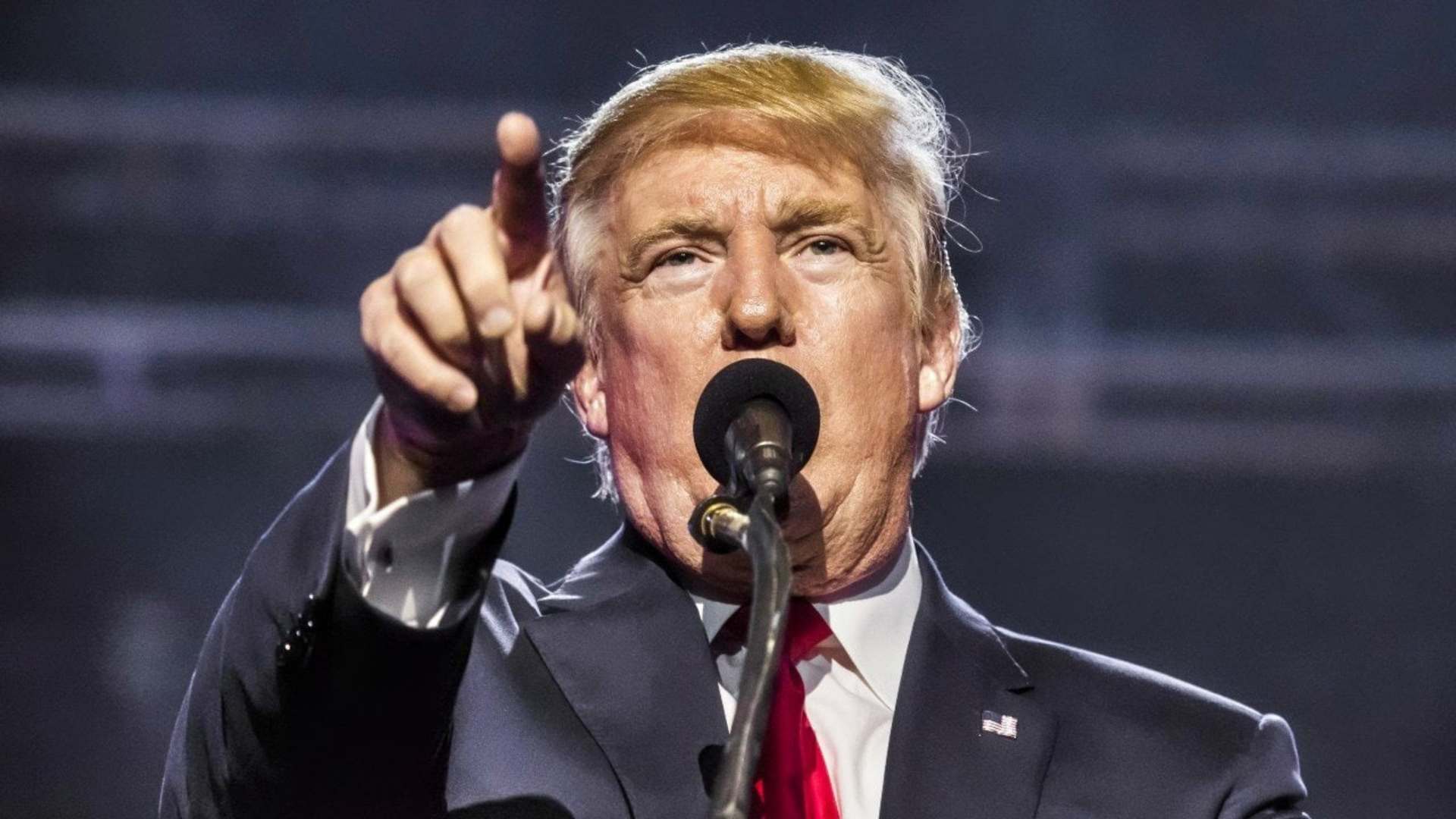
The article highlights a renewed phase of U.S. isolationism following the announcement by the Trump administration to withdraw from the UN Framework Convention on Climate Change (UNFCCC) and 65 international organisations and platforms deemed contrary to U.S. interests. This marks a sharp departure from decades of American engagement with multilateral institutions.
This inward turn is not unprecedented, as the U.S. had earlier withdrawn from the Paris Climate Agreement during Trump’s first term. However, the present phase goes further by reversing actions taken by the Biden administration and signalling an intent to end nearly all U.S. commitments on climate change and allied global agendas.
Such a retreat is significant because the U.S. has historically been a key architect and financier of the post-World War II multilateral order. Its disengagement therefore raises concerns about the stability, credibility, and continuity of international governance mechanisms.
If unchecked, prolonged isolationism risks normalising unilateralism in global affairs, weakening the cooperative foundations required to address transnational challenges such as climate change and pandemics.
“Problems created by man can be solved by man.” — John F. Kennedy (Relevance: underscores the foundational logic of multilateral cooperation)
Governance logic suggests that when a system’s principal stakeholder exits, institutional effectiveness declines; ignoring this dynamic risks erosion of trust and coordination in global governance.
2. Issue: Impact on Global Health, Climate, and Rights Regimes
The article underscores that the U.S. withdrawal from the World Health Organization (WHO) has already caused setbacks in projects related to maternal and infant mortality, disease surveillance, and the control of tuberculosis, malaria, and HIV/AIDS. These initiatives are heavily dependent on sustained external funding.
Similarly, U.S. disengagement from climate-related bodies and renewable energy platforms weakens leadership momentum and financing channels critical for global climate action. Climate governance relies not only on commitments but also on technological, financial, and normative leadership.
The withdrawal also extends to institutions dealing with gender equality, minority rights, and rule of law, areas that the administration associates with “woke” agendas. This has implications for the global human rights ecosystem, which often relies on normative pressure and funding from powerful democracies.
If such disengagement persists, it could disproportionately affect developing countries that lack domestic capacity to compensate for reduced international support.
“Global public health security cannot be achieved by one nation acting alone.” — World Health Organization (Relevance: links institutional withdrawal to systemic health risks)
From a development perspective, the withdrawal of a major donor disrupts service delivery and norm diffusion; ignoring this leads to widening global inequities and weaker collective action.
3. Implications: Power Vacuum and Geopolitical Reordering
The article argues that U.S. withdrawal from multilateral spaces is likely to create a power vacuum. Historically, U.S. institutions have driven agenda-setting and enforcement within global regimes, especially in climate, health, and governance standards.
This vacuum may be filled by actors such as China and Russia, whose strategic priorities and governance models may not align with liberal democratic norms. Their increased influence could reshape international institutions in ways that dilute transparency, accountability, and rule-based cooperation.
The concern is not merely about reduced U.S. presence but about the alteration of the normative balance within global institutions. The resulting shift could weaken the rules-based international order that underpins global stability.
If ignored, such reordering may lead to fragmented global governance marked by competing standards and diminished cooperation.
“International politics, like all politics, is a struggle for power.” — Hans Morgenthau (Relevance: explains why power vacuums are quickly filled)
In international relations, leadership vacuums invite alternative power centres; failure to recognise this accelerates systemic instability and norm dilution.
4. Social and Normative Consequences
Beyond institutional impacts, the article links U.S. isolationism to the rise of ethno-nationalism and racist hatred. Withdrawal from diversity, inclusion, and rights-based platforms sends a signal that such norms are expendable in pursuit of narrow national interests.
International institutions often play a subtle but important role in legitimising inclusive norms and restraining exclusionary politics. Reduced engagement weakens these normative guardrails at both global and domestic levels.
This has implications for minority protections, rule of law, and democratic discourse globally, especially where international norms reinforce domestic reform agendas.
If these dimensions are neglected, isolationism may indirectly contribute to social polarisation and erosion of democratic values beyond U.S. borders.
“Democracy cannot succeed unless those who express their choice are prepared to choose wisely.” — Franklin D. Roosevelt (Relevance: connects democratic values with institutional support)
Normative governance relies on reinforcement by leading states; ignoring this allows exclusionary ideologies to gain legitimacy and spread.
5. Way Forward: Sustaining Multilateral Governance
The article implicitly suggests the need for diversified leadership within multilateral institutions to reduce overdependence on any single country. Greater financial and institutional burden-sharing among democracies can enhance resilience.
Reforms aimed at institutional autonomy, predictable funding, and inclusive decision-making may help global bodies withstand unilateral withdrawals. Strengthening regional and plurilateral cooperation can also partially offset global gaps.
For developing countries, building domestic capacity while maintaining multilateral engagement becomes critical to managing external shocks.
“Multilateralism is not an option but a necessity.” — António Guterres, UN Secretary-General (Relevance: reinforces future-oriented governance logic)
Long-term governance stability depends on resilient institutions rather than singular leadership; ignoring this perpetuates vulnerability to political shifts.
Conclusion
The article highlights how U.S. isolationism poses systemic risks to global governance, development financing, and normative order. Addressing these challenges requires institutional resilience, diversified leadership, and sustained commitment to multilateral cooperation to ensure long-term global stability and equitable development.
