West Asia Nuclear Diplomacy & Bangladesh Elections: Strategic Implications for India
1. Iran Protests, U.S. Signalling and Strategic Ambiguity
In early January, large-scale protests erupted in Iran, followed by a severe crackdown. Iranian authorities claimed around 3,000 deaths, while Iran-focused organisations in the West estimated at least 6,000 fatalities, mostly protesters. The episode deepened Iran’s internal instability amid economic distress and external pressure.
During the unrest, U.S. President Donald Trump warned that the U.S. was “locked and loaded” if Iran harmed protesters. Subsequently, even as protests subsided, Washington opened diplomatic channels with Tehran while simultaneously increasing military deployments in West Asia.
This dual-track approach—coercive military posturing alongside diplomatic outreach—reflects strategic ambiguity. While talks resumed, the parallel military build-up signals preparedness for escalation if negotiations fail.
“Locked and loaded.” — Donald Trump
Diplomacy backed by coercive signalling aims to extract concessions without war. However, if signalling lacks credibility or overplays pressure, it risks miscalculation and unintended escalation.
2. The JCPOA Legacy and Collapse of Nuclear Consensus
In 2015, Iran, the U.S., and other world powers signed the Joint Comprehensive Plan of Action (JCPOA). Under the deal, Iran agreed to restrict its nuclear programme in exchange for sanctions relief. The agreement aimed to prevent nuclear proliferation while integrating Iran economically.
However, the U.S. unilaterally withdrew from the JCPOA during President Trump’s first term, effectively weakening the agreement. In response, Iran began enriching uranium beyond agreed limits. Efforts under President Joe Biden to revive the deal did not succeed.
The collapse of the JCPOA has led to a trust deficit. The current negotiations must overcome not only technical disagreements but also the credibility gap created by prior withdrawal.
International agreements rely on sustained commitment. If major powers withdraw unilaterally, it weakens multilateral non-proliferation regimes and reduces incentives for compliance.
3. Current Negotiations: Divergent Agendas
In February, Iran’s Foreign Minister Abbas Araghchi met U.S. Special Envoy Steve Witkoff in Oman, resuming nuclear diplomacy. Though talks continue, both sides remain far apart.
Key disagreements include:
U.S. Demands:
- Complete halt to uranium enrichment
- Removal of highly enriched uranium stockpiles from Iran
- Inclusion of ballistic missile programme
- Discussion of Iran’s militia support and domestic governance
Iran’s Position:
- Talks limited strictly to nuclear programme
- Retention of enrichment rights under the Nuclear Non-Proliferation Treaty (NPT)
- Rejection of transferring enriched uranium abroad
President Masoud Pezeshkian reaffirmed Iran’s right to enrichment under the NPT. Even Russia’s proposal to store and process Iranian enriched uranium was rejected by Tehran.
The negotiation gap is structural: the U.S. seeks expanded conditionality, while Iran seeks restoration of a JCPOA-like framework. Without narrowing agenda differences, talks risk collapse.
4. Militarisation of West Asia and Risk of Escalation
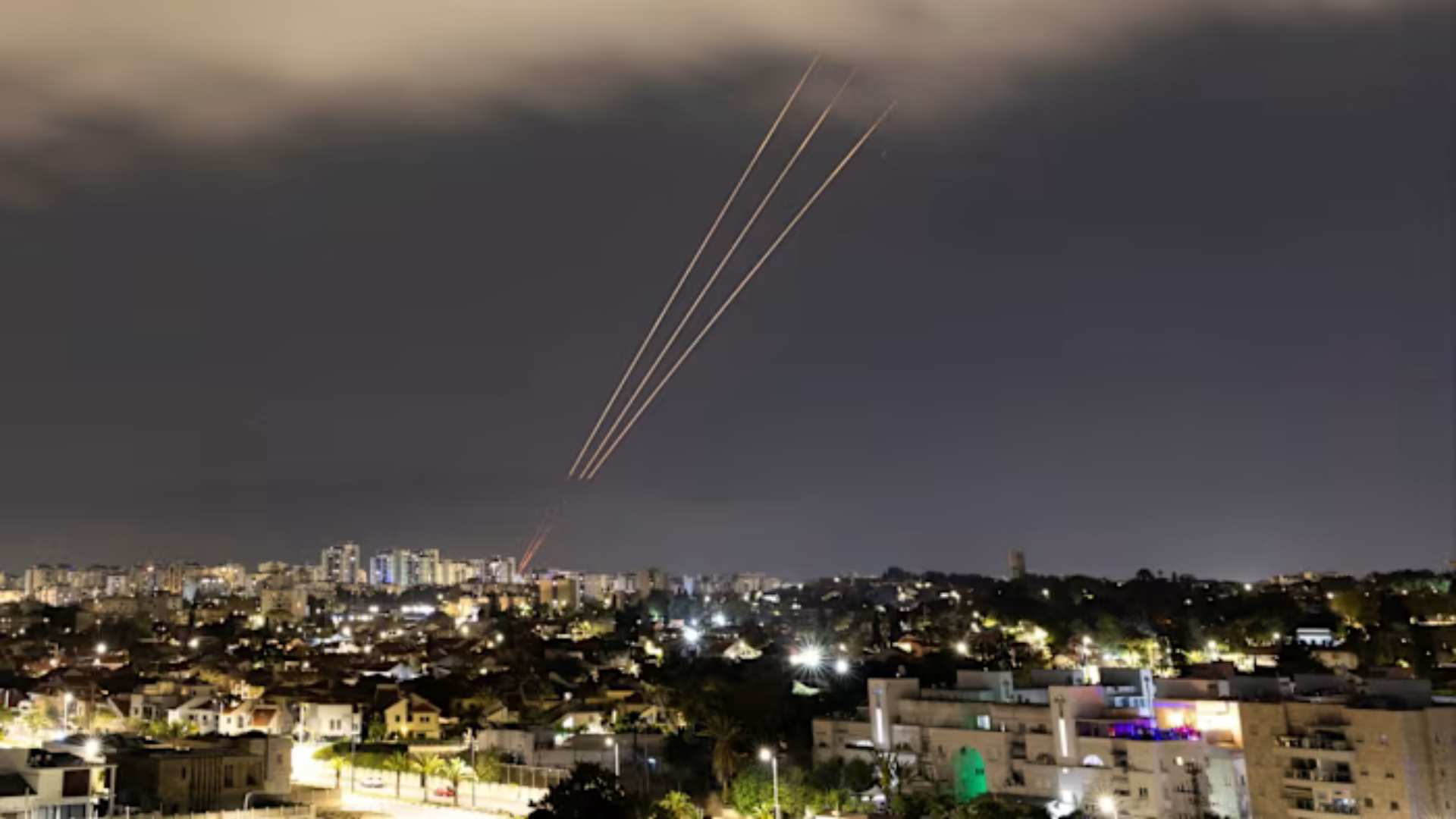
Despite resumed talks, the U.S. has significantly bolstered its military presence in West Asia. Deployments reportedly include fighter jets, warships, destroyers, an aircraft carrier strike group, and missile defence systems such as THAAD.
Earlier, Israel initiated strikes on Iran’s nuclear facilities, with U.S. participation. President Trump claimed the facilities were “totally obliterated.” However, the persistence of talks suggests that the issue remains unresolved.
This environment reflects a high-risk security dilemma: negotiations coexist with force posture enhancement. Any breakdown in diplomacy may trigger direct confrontation.
Military build-ups during negotiations may strengthen bargaining leverage but simultaneously reduce room for diplomatic compromise. The absence of mutual trust heightens escalation risks.
5. Bangladesh Elections: Political Transition and Regional Stakes
On February 12, Bangladesh will hold its first national election since the fall of Sheikh Hasina. The Awami League is not contesting, as its activities have been banned by the interim government led by Muhammad Yunus.
Opinion polls indicate the Bangladesh Nationalist Party (BNP), led by Tarique Rahman, as a frontrunner, with Jamaat-e-Islami expected to perform strongly. Pre-election violence has already raised concerns about electoral legitimacy.
The election is a critical test for Bangladesh’s democratic transition. A legitimate mandate is essential to stabilise governance, restore institutional credibility, and prevent political fragmentation.
Post-transition elections determine regime legitimacy. If marred by violence or exclusion, political instability may persist, affecting regional security.
6. Implications for India
(A) West Asia Developments
India has strategic stakes in West Asia, including:
- Energy security
- Diaspora safety
- Maritime security in the Persian Gulf
Escalation between the U.S. and Iran may disrupt oil supplies and increase regional instability. Additionally, weakening non-proliferation regimes could affect global security architecture.
(B) Bangladesh Elections
India–Bangladesh relations have reportedly cooled since Sheikh Hasina’s ouster. The emergence of a BNP-led or Jamaat-influenced government may alter bilateral dynamics.
India’s concerns include:
- Cross-border security
- Minority protection
- Counter-terrorism cooperation
- Connectivity and trade projects
A stable and elected government in Dhaka would provide New Delhi an opportunity to recalibrate ties.
India’s foreign policy must balance strategic pragmatism with regional stability concerns. Political transitions in neighbouring states directly affect India’s security environment.
7. Broader Global Context: Nuclear Rivalry and Strategic Uncertainty
The article also highlights the broader context of rising global strategic uncertainty, including the end of legally binding limits under frameworks such as New START. This signals a possible return to intensified nuclear rivalry.
The weakening of arms control agreements globally parallels the fragility of the JCPOA. Together, these trends indicate erosion of the post-Cold War arms control architecture.
For India (GS-II & GS-III linkage), this evolving landscape underscores:
- Importance of strategic autonomy
- Need for diversified diplomatic engagement
- Continued commitment to non-proliferation norms
The erosion of arms control regimes increases unpredictability in global security. Middle powers like India must navigate carefully to preserve stability while safeguarding national interests.
Conclusion
The resumption of Iran–U.S. nuclear talks has not eliminated tensions in West Asia, as deep agenda divergences and parallel militarisation persist. Simultaneously, Bangladesh’s elections represent a pivotal moment in South Asia’s political landscape.
For India, both theatres demand calibrated diplomacy rooted in strategic autonomy, regional stability, and long-term security interests. In an era of fragile agreements and rising geopolitical rivalry, sustained engagement and balanced statecraft remain essential.