
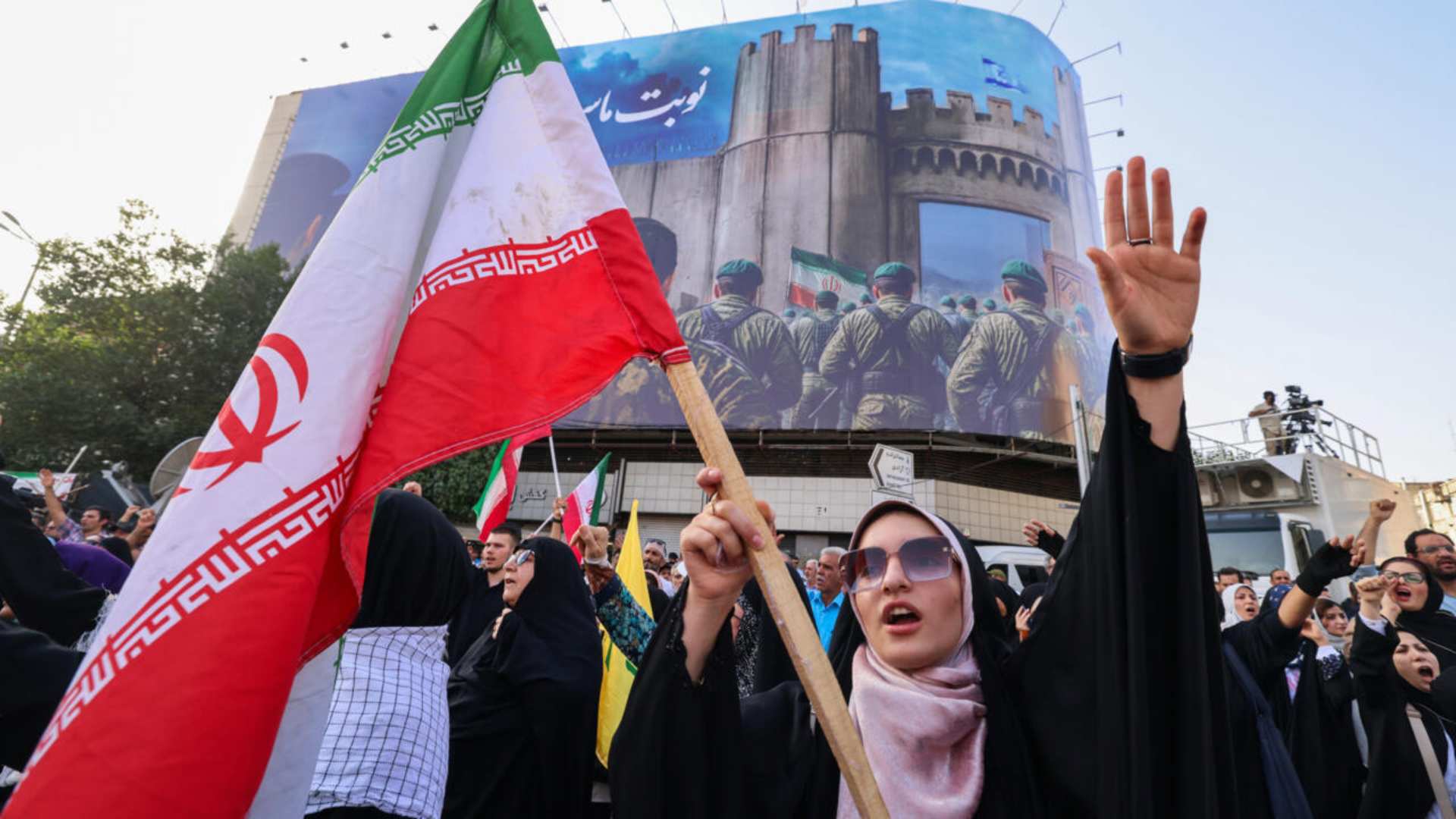
West Asia in Turmoil: Geopolitics, Nuclear Order and the Israel–Iran Rivalry

Great Power Alignments and the Shifting Architecture of West Asian Security
3 mins read
Israel–Iran Rivalry Reshapes West Asia
Not Started

Introduction

The escalating tensions between Israel and Iran, often drawing in the United States, reflect deeper structural issues in West Asian geopolitics. While nuclear concerns dominate headlines, the conflict is rooted in regional power rivalry, security dilemmas, ideology, and global power alignments.


I. The Nuclear Question and the NPT Debate (GS-2: International Relations)

The Treaty on the Non-Proliferation of Nuclear Weapons (NPT) rests on three pillars:

  1. Non-proliferation
  2. Disarmament
  3. Peaceful nuclear cooperation

However, structural asymmetry exists:

  • Five recognized nuclear states retain arsenals.
  • Non-nuclear states face restrictions.
  • Disarmament progress has been slow.

Critics argue this creates a two-tier global nuclear order, generating resentment and mistrust.

From Israel’s perspective, preventing a hostile regional power from acquiring nuclear weapons is a matter of existential security. From Iran’s perspective, nuclear capability enhances deterrence and strategic autonomy.

Thus, nuclear tension is both a legal and strategic issue.


II. Beyond Nuclear Weapons: Deeper Drivers

1️⃣ Regional Power Rivalry

Iran seeks influence through regional alliances and non-state actors. Israel views this as encirclement.

2️⃣ Proxy Conflict Architecture

Iran’s support to groups such as Hezbollah and Hamas intensifies security concerns.

3️⃣ Pre-emptive Security Doctrine

Israel historically favors early neutralization of perceived existential threats.

4️⃣ U.S. Alliance Commitments

The U.S.–Israel strategic partnership, rooted in Cold War alignment and military cooperation, reinforces this axis.


III. Religion: Catalyst or Core Cause?

Religion shapes identity but is rarely the sole cause of modern conflict.

  • Christian Zionist currents influence segments of U.S. domestic politics.
  • Jewish historical memory shapes Israeli statehood narratives.
  • Iran’s Islamic governance influences foreign policy rhetoric.

However, contemporary conflict is primarily driven by security, nationalism, and power politics — not theological disputes over Jesus’ identity or scriptural claims.


IV. Economic Contrast: Resource vs Innovation Model (GS-3: Economy)

IndicatorIranIsrael
Core ResourceOil & GasHuman Capital
Economic ModelHydrocarbon dependentInnovation-driven
Key StrengthEnergy reservesTechnology exports
Global PositioningSanction-affectedIntegrated into Western markets

Iran possesses some of the world’s largest natural gas reserves. Israel, despite limited natural resources, built a high-technology ecosystem.

Everyday Impact of Israeli Innovation:

  • Waze navigation
  • Mobileye driver-assistance systems
  • Drip irrigation (Netafim)
  • Medical capsule endoscopy

This reflects a transition from survival-driven innovation to global tech leadership.


V. Civilian Casualties and Moral Complexity

Civilian harm has occurred on both sides in various phases of conflict. However, internal repression patterns and external military engagements differ structurally.

The moral debate revolves around:

  • Proportionality
  • Pre-emptive war doctrine
  • State sovereignty
  • Human rights accountability

International law under the United Nations permits force only in self-defense or with Security Council authorization, making pre-emptive actions legally contested.


VI. Strategic Implications for India

For India:

  • Energy security (Iran)
  • Defense and technology cooperation (Israel)
  • Diaspora safety
  • Maritime security (Red Sea, Strait of Hormuz)

India maintains strategic autonomy through multi-alignment diplomacy.


Conclusion

The Israel–Iran confrontation is not reducible to religion, nor solely to nuclear non-proliferation. It represents a layered contest involving security dilemmas, power hierarchies, alliance politics, economic models, and identity narratives.

Lasting peace in West Asia requires:

  • Revival of diplomatic engagement
  • Regional security frameworks
  • De-escalation mechanisms
  • Reform of global nuclear governance structures

Without structural trust-building, cycles of pre-emptive logic and retaliatory strikes will persist.

Quick Q&A

Everything you need to know

The NPT framework is built on three pillars: non-proliferation, disarmament, and peaceful use of nuclear energy. However, it institutionalizes a structural asymmetry by recognizing only five nuclear-weapon states (U.S., Russia, China, France, U.K.) while restricting others from acquiring nuclear weapons. This has led to accusations of a two-tier nuclear order, where recognized powers retain arsenals while non-nuclear states face scrutiny and sanctions.

In the context of Israel and Iran, this asymmetry deepens mistrust. Israel, though widely believed to possess nuclear weapons, is not an NPT signatory and maintains strategic ambiguity. Iran, a signatory, argues its nuclear program is for peaceful purposes but seeks technological capability that enhances deterrence. From Israel’s perspective, preventing a hostile regime from acquiring nuclear capability is existential. From Iran’s standpoint, nuclear latency enhances strategic autonomy and bargaining power.

Thus, the dispute reflects not just compliance issues but deeper dissatisfaction with global nuclear governance. The slow progress on disarmament by major powers weakens the moral authority of the regime, complicating diplomatic resolution and reinforcing security dilemmas in West Asia.

Although religion shapes identity narratives, the Israel–Iran confrontation is fundamentally rooted in power politics and security competition. Iran seeks regional influence through alliances and support to non-state actors such as Hezbollah and Hamas, which Israel perceives as encirclement. In response, Israel adopts a pre-emptive security doctrine to neutralize perceived existential threats. Each side interprets the other’s defensive measures as offensive aggression, exemplifying the classic security dilemma in international relations theory.

Religious rhetoric—such as Islamic revolutionary ideology in Iran or historical memory in Israel—may mobilize domestic support. However, state behavior is driven more by deterrence logic, territorial security, and strategic depth. For example, Iran’s missile development and proxy networks aim at asymmetric deterrence against superior military powers.

Reducing the conflict to theology oversimplifies modern geopolitics. It is primarily about regional hegemony, alliance structures, and deterrence stability, with religion acting as a legitimizing narrative rather than the core driver.

Proxy warfare allows states to pursue strategic goals indirectly through non-state actors, reducing direct confrontation risks while expanding influence. Iran’s support to Hezbollah in Lebanon and Hamas in Gaza creates multi-front pressure on Israel. This indirect strategy enhances Iran’s deterrence without engaging in conventional war.

However, proxy networks complicate escalation control. Actions by non-state actors can trigger disproportionate retaliation, drawing states into broader conflict. For instance, rocket attacks from Gaza or southern Lebanon can provoke Israeli airstrikes, escalating tensions beyond the immediate actors involved. Such dynamics blur accountability and challenge international humanitarian law enforcement.

Moreover, proxy warfare internationalizes local conflicts. External funding, arms transfers, and ideological alignment transform domestic disputes into regional flashpoints. This architecture perpetuates cycles of retaliation and undermines prospects for comprehensive peace frameworks in West Asia.

Under Article 51 of the UN Charter, the use of force is permitted in self-defense if an armed attack occurs. Pre-emptive strikes—launched to prevent a potential future attack—remain legally contested. Israel argues that preventing a hostile power from acquiring nuclear weapons constitutes anticipatory self-defense, particularly in a volatile region.

Critics contend that such actions undermine the international legal order by normalizing unilateral force. The principles of necessity and proportionality must be satisfied, yet assessing imminent threat is inherently subjective. Historical examples, such as Israel’s 1981 strike on Iraq’s Osirak reactor, illustrate both tactical success and diplomatic controversy.

Morally, the debate balances existential security against civilian harm and sovereignty violations. While states have a right to survival, repeated pre-emptive logic risks perpetual instability. Long-term security may be better served through verification regimes and diplomatic engagement rather than unilateral military action.

Iran’s economy is heavily dependent on oil and gas exports, making it vulnerable to sanctions and price volatility. While it possesses vast natural gas reserves, external restrictions have constrained technological modernization and global integration. This resource-dependent model limits diversification and exposes macroeconomic stability to geopolitical shocks.

In contrast, Israel leveraged human capital and innovation ecosystems to build a high-technology economy. Despite scarce natural resources, it invested in research, defense technology, and startup culture. Innovations such as Waze, Mobileye, drip irrigation (Netafim), and medical capsule endoscopy demonstrate how survival-driven innovation evolved into global competitiveness.

The contrast highlights a broader lesson: sustainable development depends less on resource endowment and more on institutional quality, education, and global integration. For developing countries, diversification and technology-driven growth offer resilience against geopolitical disruptions.

India’s approach must reflect strategic autonomy and multi-alignment. Iran is critical for energy security and connectivity projects like the Chabahar Port, which provides access to Afghanistan and Central Asia. Simultaneously, Israel is a key partner in defense technology, agriculture, cybersecurity, and innovation.

Balancing these ties requires issue-based engagement. India can continue defense cooperation with Israel while maintaining diplomatic dialogue and economic engagement with Iran within permissible international frameworks. Ensuring diaspora safety and maritime security in the Strait of Hormuz and Red Sea is also vital.

India should advocate de-escalation and revival of diplomatic mechanisms such as nuclear negotiations. By avoiding bloc politics and emphasizing peaceful resolution, India preserves credibility as a responsible global actor while safeguarding core national interests.

Attribution

Original content sources and authors

Sign in to track your reading progress

Comments (0)

Please sign in to comment

No comments yet. Be the first to comment!