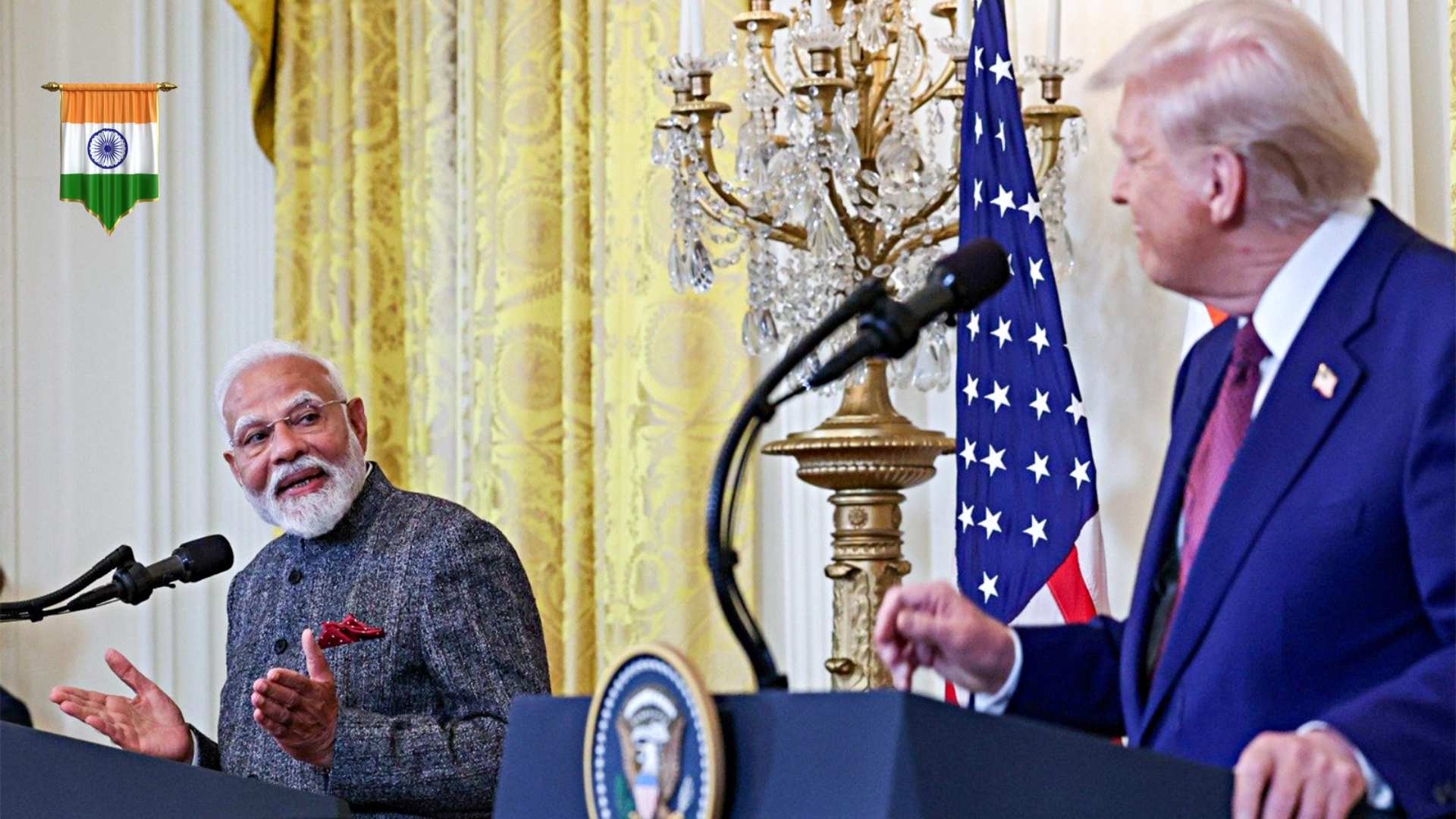
India–US Divergence on WTO Reforms

Amid upcoming WTO ministerial talks, India insists on preserving vital principles while the US advocates for transformative changes in global trade policies.
S
Surya
3 mins read
India Defends WTO Principles Amid US Reform Push

Introduction

The World Trade Organization (WTO), governing nearly 98% of global trade, faces a legitimacy crisis amid rising protectionism and unilateral trade actions. With global trade growth slowing (~3% annually post-2010) and increasing tariff disputes, reforms have become central to WTO’s survival. Ahead of the 14th Ministerial Conference (MC14) in Cameroon, sharp divergences have emerged between India and the US over core principles like Most Favoured Nation (MFN) and Special & Differential Treatment (SDT).


Background & Context

  • WTO established in 1995 under the Marrakesh Agreement.

  • Built on:

    • Non-discrimination (MFN principle)
    • Consensus-based decision-making
  • Recent challenges:

    • US unilateral tariffs (Section 301 investigations).
    • Paralysis of dispute settlement mechanism.
    • Growing divide between developed and developing countries.

Key Concepts

ConceptExplanation
MFN PrincipleEqual trade treatment to all WTO members
Special & Differential Treatment (SDT)Flexibility for developing countries in commitments
Consensus-based Decision MakingAll members must agree for decisions
Section 301 (US)Tool to impose unilateral trade sanctions

India vs USA: Core Differences

IssueIndia’s PositionUSA’s Position
MFN PrincipleMust be preserved (core WTO principle)Outdated; restricts flexible trade deals
SDT (Developing Status)Essential for policy spaceShould be restricted for large economies like India
Decision-makingConsensus-based systemOpen to flexible/plurilateral approaches
Trade ApproachRules-based multilateralismBilateral/reciprocal trade emphasis

US Arguments for WTO Reform

  • MFN leads to “one-size-fits-all” trade rules.

  • Global economy now marked by divergence, not convergence.

  • Need for:

    • Country-specific trade arrangements.
    • Removal of blanket developing-country benefits.
  • Criticism of:

    • Persistent trade surpluses (e.g., China).
    • Non-market economies.

India’s Stand

  • WTO reforms must not dilute foundational principles.

  • Priority to:

    • Address pending mandates (e.g., agriculture subsidies).
    • Preserve policy space for development.
  • Opposition to:

    • Backdoor dilution of MFN and SDT.
    • Plurilateral agreements undermining multilateralism.

“Reform cannot mean rewriting rules that undermine the WTO’s foundation.” — India at WTO General Council


Key Challenges

1. Crisis of Multilateralism

  • Shift toward bilateralism and protectionism.
  • Weakening trust in global institutions.

2. Developed vs Developing Divide

  • Disagreement over:

    • Development status
    • Subsidies and market access

3. Rise of Unilateral Trade Measures

  • US tariffs violate WTO norms.
  • Undermines dispute resolution mechanisms.

4. Institutional Paralysis

  • Appellate Body non-functional.
  • Delayed negotiations on key issues.

Implications for India

Economic

  • Threat to export competitiveness if MFN weakens.
  • Reduced flexibility if SDT is diluted.

Strategic

  • Need to balance relations with US while defending multilateralism.
  • Greater reliance on FTAs and regional trade blocs.

Diplomatic

  • Opportunity to lead Global South coalition.
  • Shape WTO reform narrative.

Comparative Insight: Multilateralism vs Bilateralism

AspectMultilateralism (WTO)Bilateralism (US Approach)
InclusivenessHighLimited
FlexibilityLowHigh
FairnessRule-basedPower-based
StabilityPredictableVolatile

Recent Institutional Developments

  • Group of Experts on WTO Reforms (India):

    • To define red lines and strategy.
  • Increasing use of:

    • Plurilateral agreements (outside WTO framework).
  • Rising trade disputes and tariff wars.


Relevant Quotes

  • “The WTO is only as strong as the commitment of its members to its rules.”Ngozi Okonjo-Iweala (WTO DG)
  • “Trade wars are easy to win.”Donald Trump (reflects shift toward protectionism)

Way Forward

  • Reform WTO while preserving core principles (MFN, consensus).

  • Revive dispute settlement mechanism.

  • Redefine SDT with objective criteria, not arbitrary removal.

  • Strengthen coalitions of developing countries.

  • India to adopt a dual strategy:

    • Defend multilateralism.
    • Expand FTAs for strategic flexibility.

Conclusion

The WTO stands at a crossroads between preserving its foundational multilateral principles and adapting to new geopolitical realities. India’s stance reflects a broader concern of the Global South to protect equitable trade rules. A balanced reform—ensuring flexibility without undermining core principles—is essential for maintaining global trade stability.

Quick Q&A

Everything you need to know

Foundational Principles of WTO: The World Trade Organization (WTO) is built on key principles such as Most-Favoured Nation (MFN), consensus-based decision-making, and non-discrimination. The MFN principle ensures that any trade concession given to one member must be extended to all, thereby promoting fairness and predictability in global trade. Consensus-based decision-making ensures that all member countries, regardless of size, have an equal voice in shaping trade rules.

Significance in Current Debate: These principles are at the heart of the ongoing reform debate between India and the United States. India insists that altering these foundational aspects could undermine the legitimacy and stability of the WTO. In contrast, the US argues that such principles are outdated in a world characterized by economic divergence and varying levels of development.

Broader Implications: Weakening these principles could lead to a fragmented global trade system where powerful countries dictate terms through bilateral or selective agreements. For developing countries like India, this would reduce bargaining power and increase vulnerability. Therefore, preserving these core principles is crucial for maintaining a rules-based multilateral trading system.

India’s Position on MFN and SDT: India strongly supports the Most-Favoured Nation (MFN) principle and Special and Differential Treatment (SDT) as essential pillars of equitable global trade. MFN ensures non-discrimination, while SDT allows developing countries flexibility in implementing trade commitments based on their development needs.

Reasons for Opposition:

  • Equity and Fairness: India argues that removing MFN would allow discriminatory trade practices, disadvantaging weaker economies.
  • Developmental Needs: SDT provides policy space for countries like India to protect sensitive sectors such as agriculture and small-scale industries.
  • Historical Context: Developed countries industrialized under protectionist regimes, and India believes similar flexibility is necessary for developing nations.

Implications of Reform: The US contention that SDT is outdated ignores persistent developmental disparities. For instance, India still has a large agrarian population dependent on subsidies and protection.

Conclusion: India’s stance reflects a broader concern that removing these provisions would tilt the global trade system in favor of developed economies, undermining inclusive growth and widening inequalities.

US Perspective on WTO Reform: The United States argues that the global trade landscape has fundamentally changed since the WTO’s inception in 1995. According to the US, the assumption of convergence toward market-oriented policies has not materialized, leading to divergent economic systems.

Key Arguments:

  • Inefficiency of MFN: The US claims that MFN restricts countries from forming mutually beneficial trade agreements tailored to specific partners.
  • Blurring of Development Status: Countries like China and India are seen as major economic players, making SDT provisions appear outdated.
  • Trade Imbalances: Persistent trade surpluses by some countries are viewed as harmful to deficit economies like the US.

Policy Actions: The US has already taken steps such as imposing reciprocal tariffs and initiating Section 301 investigations to address perceived unfair trade practices. These actions often bypass WTO norms, reflecting dissatisfaction with the current system.

Critical Insight: While the US concerns about fairness and reciprocity are valid, its unilateral approach risks undermining the multilateral trading system. A balanced reform must address these concerns without dismantling core WTO principles.

Potential Benefits: Weakening the Most-Favoured Nation (MFN) principle could allow countries to pursue flexible and targeted trade agreements. This may enable faster negotiations and customized solutions for specific economic partnerships. For example, regional trade agreements like the CPTPP have shown that selective liberalization can enhance trade efficiency among like-minded countries.

Risks and Challenges:

  • Fragmentation of Trade System: Removing MFN could lead to a proliferation of bilateral agreements, creating a complex web of rules.
  • Power Asymmetry: Smaller and developing countries may be forced into unfavorable agreements with stronger economies.
  • Erosion of Multilateralism: The WTO’s credibility as a global rule-making body could be severely weakened.

Case Example: The US’s imposition of country-specific tariffs under the Trump administration, later deemed inconsistent with WTO norms, illustrates how deviation from MFN can create trade conflicts and uncertainty.

Balanced View: While reform is necessary to address modern challenges, completely abandoning MFN could destabilize the global trade order. A middle path could involve limited flexibility within a rules-based framework.

Conclusion: Preserving MFN with calibrated reforms is essential to ensure both fairness and adaptability in global trade.

Divergent Economic Interests: The primary reason for disagreement lies in the differing economic priorities of India and the United States. While the US seeks greater reciprocity and flexibility, India prioritizes equity and developmental space.

Key Factors:

  • Development Status Debate: The US argues that emerging economies like India no longer require special treatment, whereas India highlights persistent socio-economic challenges.
  • Trade Imbalances: The US focuses on reducing deficits, while India emphasizes protecting domestic industries.
  • Approach to Multilateralism: India supports a rules-based system, whereas the US increasingly favors unilateral or bilateral approaches.

Geopolitical Context: The divergence also reflects broader geopolitical shifts, including rising protectionism and strategic competition. For example, US trade policies under recent administrations have increasingly prioritized domestic interests over global commitments.

Implications: This divergence could lead to a deadlock in WTO reforms, weakening the institution’s effectiveness. It also underscores the need for India to build coalitions with other developing countries.

Conclusion: The conflict is not merely technical but rooted in broader questions about fairness, development, and the future of global governance.

US Trade Actions: In recent years, the United States has taken several measures that challenge established WTO norms, particularly the principle of non-discrimination under MFN.

Key Examples:

  • Reciprocal Tariffs: The Trump administration imposed country-specific tariffs targeting certain trading partners, which violated MFN rules.
  • Section 301 Investigations: These investigations have been used to justify unilateral trade measures against countries like China and India.
  • Bypassing WTO Dispute Mechanism: The US has increasingly relied on domestic legal frameworks instead of multilateral dispute resolution.

Impact on Global Trade: Such actions create uncertainty and undermine confidence in the WTO’s ability to enforce rules. For instance, retaliatory tariffs during the US-China trade war disrupted global supply chains and affected third countries.

Lessons for India: These developments highlight the importance of strengthening multilateral institutions while also preparing for a more fragmented trade environment. India must diversify trade partnerships and enhance domestic competitiveness.

Conclusion: The US approach reflects a shift toward unilateralism, posing significant challenges to the stability of the global trading system.

Strategic Objective: India’s primary goal at MC14 should be to preserve the core principles of the WTO while engaging constructively in reform discussions.

Key Elements of Strategy:

  • Defend Foundational Principles: Strongly advocate for MFN, consensus-based decision-making, and SDT.
  • Coalition Building: Collaborate with developing countries and like-minded members to strengthen negotiating power.
  • Selective Flexibility: Show openness to reforms in areas like dispute resolution and transparency without compromising core values.

Case Insight: India’s leadership in the G33 coalition on agricultural issues demonstrates its ability to mobilize developing countries effectively.

Balancing Approach: India should avoid a purely defensive stance and instead propose constructive reforms, such as improving dispute settlement mechanisms and addressing new trade issues like digital trade.

Expected Outcome: A well-crafted strategy can help India protect its interests while contributing to a more resilient and inclusive global trading system.