Introduction
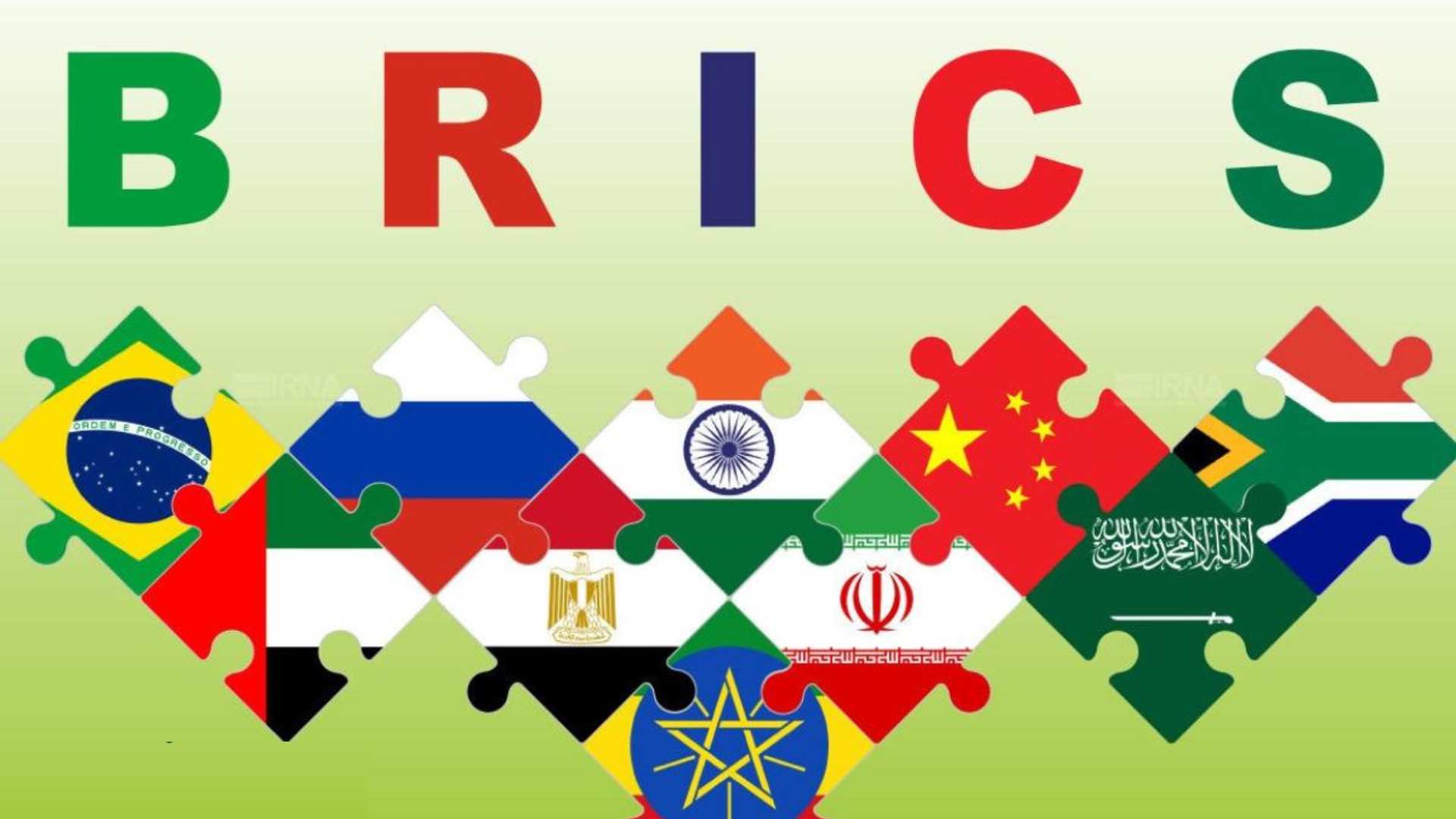
BRICS (Brazil, Russia, India, China, South Africa) represents a significant share of the global economy, accounting for over 30% of global GDP and nearly 40% of the world’s population. As geopolitical tensions and techno-nationalism reshape global scientific collaboration, BRICS is emerging as an alternative platform for inclusive and multipolar STI cooperation. The expansion to BRICS+ further strengthens its potential as a driver of innovation-led development in the Global South.
Background & Context
-
BRICS formed to:
- Promote multipolar world order
- Reform global governance institutions
-
Over time, cooperation expanded from:
- Finance & trade → Science, Technology & Innovation (STI)
-
Key milestones:
- 2011: STI cooperation formally recognised
- 2015 MoU: STI becomes a strategic pillar
- BRICS+ (2022): Expansion to Global South countries
Key Concepts
What is STI Cooperation?
-
Collaboration in:
- Scientific research
- Technology development
- Innovation ecosystems
-
Aims to:
- Address shared developmental challenges
- Enhance technological self-reliance
Institutional Framework of BRICS STI
| Mechanism | Function |
|---|---|
| BRICS STI Ministerial Meetings | Policy direction & declarations |
| STIEP Working Group | Implementation of innovation programmes |
| BRICS Technology Transfer Centre (TTC) | Promotes tech commercialisation |
| iBRICS Network | Innovation and startup collaboration |
| National Agencies (e.g., CSIR, DBT in India) | Project coordination |
Areas of Cooperation
1. Evolution of Focus
-
Initial phase:
- Basic science & research
-
Current phase:
- Innovation, entrepreneurship, technology transfer
2. Priority Sectors
| Sector | Focus Area |
|---|---|
| ICT & HPC | Data science, AI, digital infrastructure |
| Health | Vaccines, biosecurity, digital health |
| Environment | Climate tech, water management |
| Space | Satellite cooperation (2021 agreement) |
| Advanced Tech | AI, materials science |
Recent Developments
-
BRICS AI Declaration (2025):
- AI recognised as a core governance issue
- Focus on equitable and inclusive AI systems
-
Establishment of:
- BRICS Institute of Future Networks
- China-BRICS Research Centre (Beijing)
-
Shift towards:
- Data-intensive science
- AI-driven innovation
Importance of BRICS STI Cooperation
1. Strategic Autonomy
- Reduces dependence on Western technology ecosystems
2. Global South Collaboration
- Promotes inclusive development
- Addresses developmental asymmetries
3. Economic Growth
-
Enhances:
- Innovation capacity
- Industrial competitiveness
4. Global Governance
-
Strengthens voice in:
- AI governance
- Digital economy norms
Challenges
1. Heterogeneity Among Members
-
Wide variation in:
- Economic development
- Scientific capacity
“Diversity within BRICS makes coordination complex.” — Irina Dezhina
2. Low R&D Investment
-
GERD (Gross Expenditure on R&D):
- Relatively low (except China)
-
Gap with innovation leaders like South Korea
3. Institutional Weakness
-
Lack of:
- Permanent secretariat
- Long-term coordination mechanism
4. Limited Commercialisation
-
Weak translation of research into:
- Market-ready technologies
- Scalable innovations
5. Uneven Participation (BRICS+)
-
New members show:
- Limited engagement in STI initiatives
Comparison: BRICS vs European Union (EU)
| Aspect | BRICS | European Union |
|---|---|---|
| Institutional Framework | Fragmented | Strong (Horizon Europe) |
| Funding | Limited | Large-scale funding |
| Integration Level | Loose cooperation | Deep integration |
| Innovation Output | Emerging | Advanced |
Implications for India
-
Opportunity to:
- Lead Global South STI cooperation
- Strengthen domestic innovation ecosystem
-
Role in 2026 BRICS Presidency:
- Theme: Resilience, Innovation, Cooperation, Sustainability
-
Key sectors:
- AI, biotech, climate tech
Way Forward
1. Institutional Strengthening
- Establish a permanent BRICS STI Secretariat
- Model after EU Horizon Programme
2. Mega-Science Projects
-
Joint large-scale initiatives:
- Space research
- Climate modelling
- Ocean studies
3. Increase R&D Investment
- Enhance GERD across member countries
4. Promote “Paired Collaboration”
-
Bilateral partnerships within BRICS:
- e.g., India–Brazil, China–Russia
5. Focus on STI Governance
-
Research on:
- Ethical AI
- Tech regulations
- Digital sovereignty
Expert Insight
“Innovation is the key driver of long-term growth, and international cooperation enhances its impact.” — OECD Innovation Strategy
Conclusion
BRICS has evolved into a significant platform for STI cooperation in a fragmented global order, but its potential remains underutilised due to institutional and structural constraints. Strengthening governance mechanisms, scaling innovation projects, and enhancing collaboration can transform BRICS into a credible alternative to Western-dominated innovation systems. India’s leadership in 2026 offers a crucial opportunity to steer this transformation.