1. Political Context and Bilateral Reset
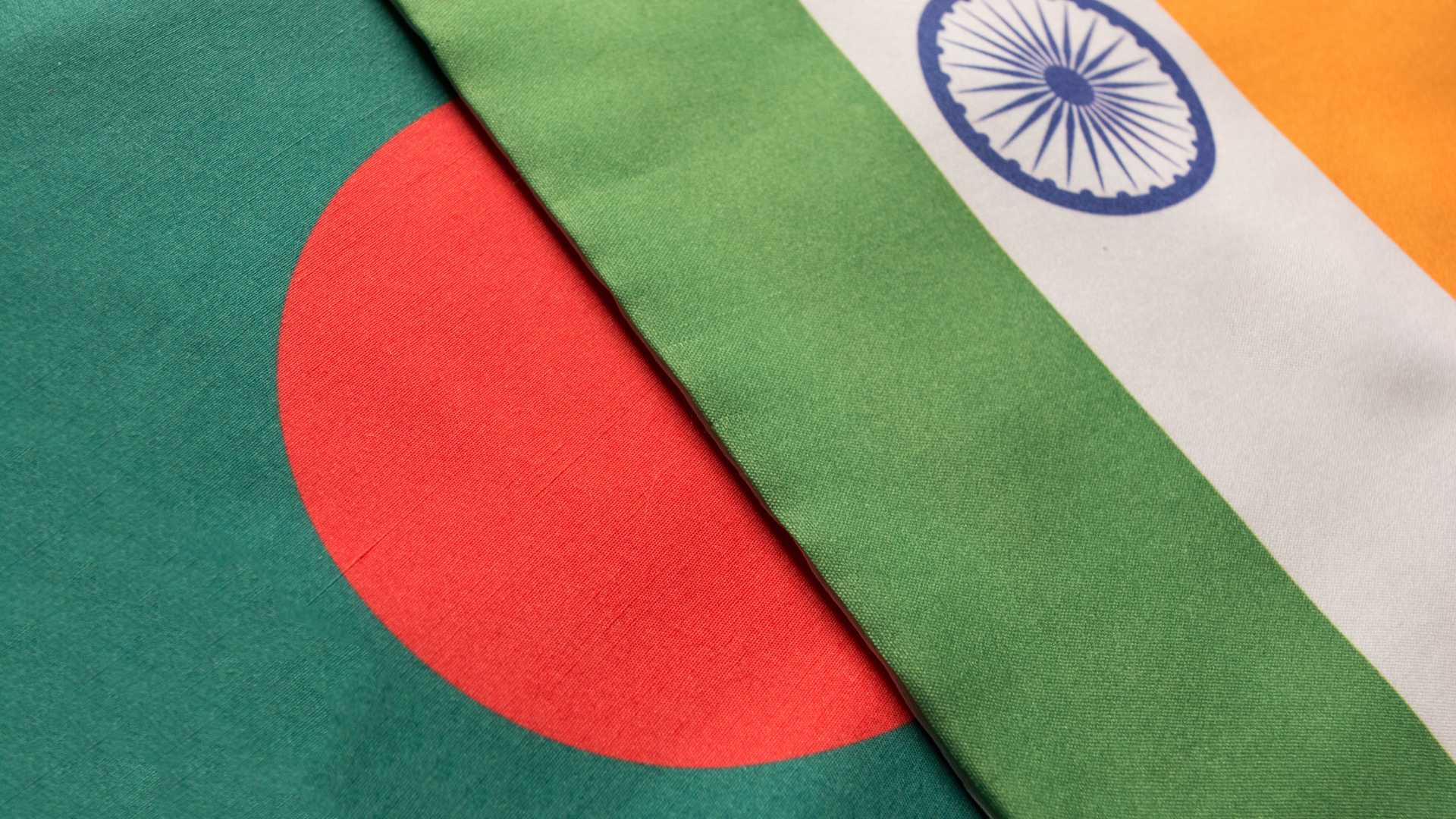
The Bangladesh Nationalist Party (BNP), led by Tarique Rahman, has returned to power after nearly two decades, securing an absolute majority in the February 12, 2026 Parliamentary elections. This marks a significant political transition in Dhaka and signals a potential recalibration of India–Bangladesh relations.
The incoming government has identified specific priority issues with India: stopping border killings, renewal of the Ganga Waters Treaty before December 2026, increasing medical visas, and addressing the continued presence of former Prime Minister Sheikh Hasina in India.
The transition is important because India–Bangladesh ties have deepened over the past decade in connectivity, trade, and security cooperation. Any recalibration under the new regime may influence regional stability in South Asia, especially in the context of India’s Neighbourhood First and Act East policies.
Political transitions in neighbouring countries often reshape bilateral equations. If early irritants are not addressed, they may harden into structural distrust, affecting long-term strategic cooperation.
2. Border Killings and Human Security Concerns
The BNP has identified “border killings” by India’s Border Security Force (BSF) as a major irritant in bilateral ties. Reports of fatalities along the India–Bangladesh border reportedly trigger public protests, particularly among university students, escalating domestic political pressure on the government in Dhaka.
Bangladesh has a settled and demarcated border with India. The BNP has argued that suspected smugglers should be arrested rather than fired upon, calling for a more humane enforcement approach.
This issue has broader implications for cross-border cooperation. While India faces challenges of smuggling, cattle trade, and illegal migration, use-of-force incidents undermine trust and complicate diplomatic engagement.
“Out of all issues, it is the border killings by the Border Security Force of India that create great difficulty for the Government of Bangladesh.” — BNP source
Border management is not merely a security issue but a human security and diplomatic concern. If unresolved, it may erode public goodwill, fuel anti-India sentiment, and weaken cooperation on security and connectivity.
Implications:
- Strained diplomatic relations
- Campus protests and domestic political mobilisation in Bangladesh
- Potential weakening of joint border management mechanisms
- Adverse impact on people-to-people relations
Governance Dimension :
- Border management
- Human rights and use-of-force protocols
- Federal coordination (border states involved)
3. Sheikh Hasina’s Presence in India and Political Sensitivities
The BNP has raised concerns about the continued presence of former Prime Minister Sheikh Hasina and her aides in India. According to party sources, her public comments about developments in Bangladesh could complicate the normalisation of bilateral relations.
This introduces a politically sensitive dimension into India–Bangladesh ties. While India may view hosting political leaders as a sovereign decision, Bangladesh’s new government may interpret such actions through the lens of domestic legitimacy and political rivalry.
The issue underscores how internal political developments in neighbouring countries can spill over into foreign policy.
Diplomatic engagement must balance sovereignty with sensitivity. If perceived as interference, even indirectly, such issues may generate mistrust and affect cooperation across sectors.
4. Renewal of the Ganga Waters Treaty (Due Before December 2026)
The Ganga Waters Treaty, signed in 1996, is due for renewal before December 2026. The BNP has indicated that treaty renewal will be a priority and expects a “fair” settlement.
Although technical teams were expected to meet over the past two years, discussions reportedly did not materialise, despite the issue being raised during Sheikh Hasina’s July 2024 visit to India.
Water-sharing remains a core bilateral issue due to its direct impact on agriculture, livelihoods, and ecological sustainability in downstream Bangladesh.
Water diplomacy is central to regional stability. River-sharing disputes, if not addressed cooperatively, can deepen asymmetries between upper and lower riparian states and generate long-term friction.
Transboundary water governance requires institutional continuity and technical dialogue. Delay in negotiations risks politicisation of water, which can convert a developmental issue into a strategic dispute.
Key Features:
- Treaty originally signed in 1996
- Renewal deadline: December 2026
- Governs sharing of Ganga waters at Farakka Barrage
Governance & IR Linkages:
- Upper vs Lower riparian dynamics
- Climate variability and river flows (GS3 – Environment)
- Federal dimension: Involvement of Indian states like West Bengal
5. Medical Visas and People-to-People Connectivity
The BNP has emphasised that the current number of Indian medical visas issued to Bangladeshi citizens is inadequate. Medical travel to India is viewed as a strong people-to-people connector due to geographical proximity, cultural familiarity, and relatively affordable healthcare.
The party has indicated that if access is restricted, Bangladeshis may increasingly turn to alternative destinations such as China for medical treatment.
This issue intersects with India’s soft power, health diplomacy, and regional influence. Medical tourism has been an important instrument of informal diplomacy in South Asia.
People-to-people engagement sustains long-term diplomatic capital. If medical access is constrained, strategic space may be ceded to competing regional actors.
Strategic Implications:
- Impact on India’s soft power
- Competition with China in regional outreach
- Influence on trade in health services
Policy Dimension:
- Visa liberalisation
- Digital visa processing
- Health diplomacy initiatives
6. Broader Strategic Implications for India
India–Bangladesh ties are multidimensional, covering trade, connectivity, security cooperation, energy, and river management. The BNP’s return may not reverse cooperation but could recalibrate priorities.
Key themes emerging:
- Human rights-sensitive border management
- Political sensitivity in hosting exiled leaders
- Urgent water diplomacy before 2026 deadline
- Leveraging medical and cultural connectivity
Therefore, India’s response will need to balance security imperatives with diplomatic accommodation.
Neighbourhood policy succeeds when security, sovereignty, and sensitivity are balanced. Ignoring emerging irritants risks incremental erosion of trust, even if structural cooperation remains intact.
Conclusion
The incoming BNP government has outlined a focused agenda for engagement with India—centred on border management, treaty renewal, political sensitivities, and medical connectivity.
Addressing these issues pragmatically before they escalate into structural disputes will be crucial for sustaining stability in eastern South Asia. A calibrated, institution-driven, and forward-looking approach can ensure that political transitions do not derail long-term strategic cooperation between the two neighbours.