
1. Context: PLA Military Exercises Around Taiwan (Dec 2025)
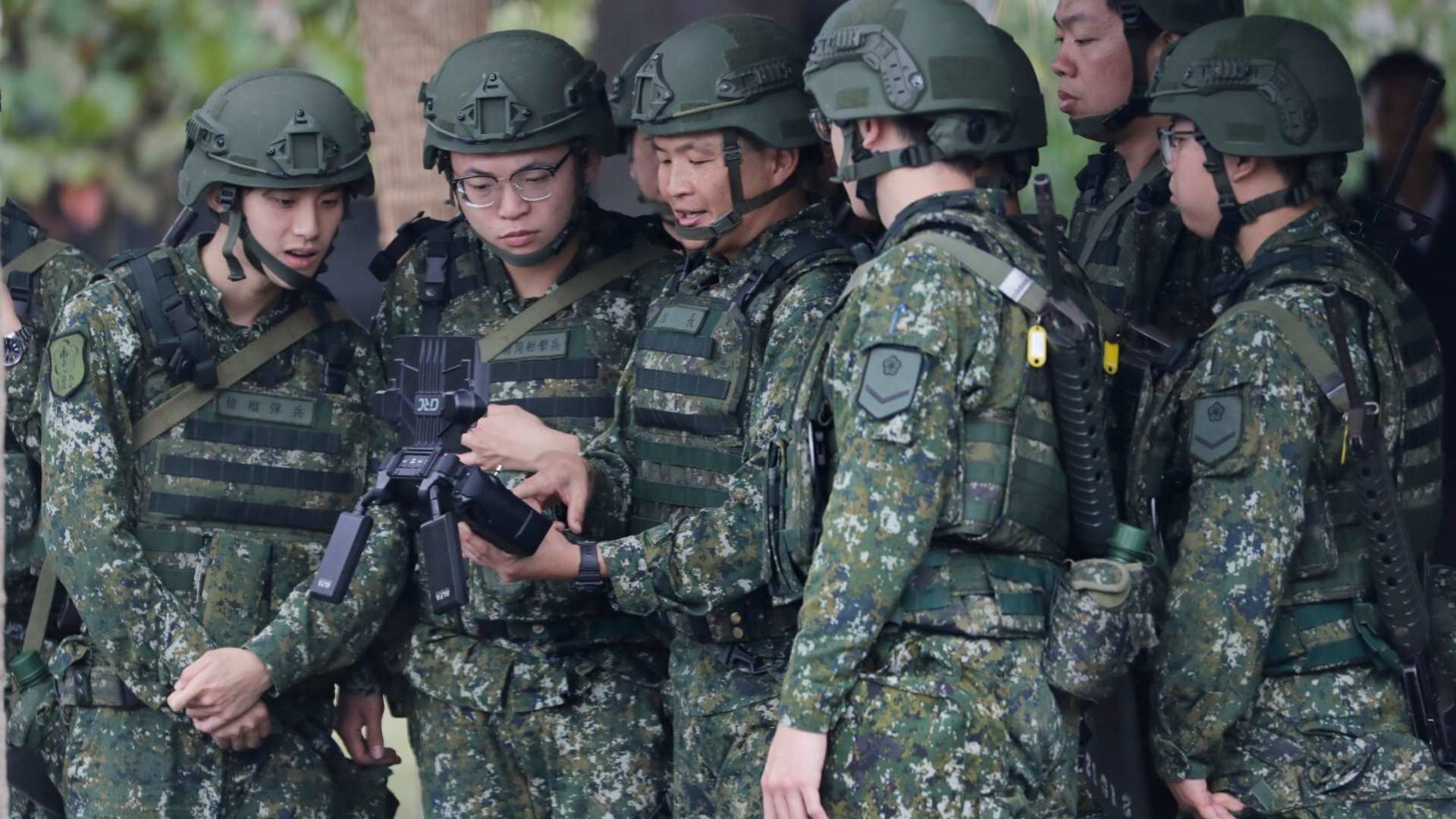
China’s People’s Liberation Army (PLA) conducted a large-scale military exercise around Taiwan on December 29–30, 2025, marking the second such drill in the year. China’s Ministry of National Defence (MND) stated that the exercise aimed to safeguard national sovereignty and unity, while warning against Taiwanese separatism and foreign interference.
The drill reflects a continuing pattern of coercive military signalling by China in response to political and strategic developments related to Taiwan. It underscores Beijing’s position that Taiwan is a breakaway province and that reunification remains a core national objective.
For regional governance and stability, such exercises heighten military alertness, raise miscalculation risks, and affect economic confidence in the Taiwan Strait. Ignoring these signals could lead to underestimation of escalation dynamics in East Asia.
“The mission serves as a deterrent against separatist forces and external interference.” — China’s Ministry of National Defence
The core logic is strategic deterrence through military signalling; failure to interpret it correctly risks policy missteps and escalation.
2. Nature and Scope of ‘Justice Mission–2025’
The drill, codenamed ‘Justice Mission–2025’, focused on maritime control, combat readiness, comprehensive superiority, and blockade of key ports and territories. It involved coordinated operations across land, sea, and air domains, indicating a three-dimensional deterrence posture.
On the first day, the PLA conducted intensive air operations, demonstrating air dominance and pressure tactics. The second day shifted to long-range rocket firing, signalling escalation capability and proximity-based coercion.
Such exercises test operational readiness and convey China’s ability to impose a blockade or conduct precision strikes. If unaddressed diplomatically, these drills could normalise high-risk military behaviour.
Statistics:
- Total air sorties on Day 1: 130
- Sorties crossing Taiwan Strait median line: 90
- Rockets fired on Day 2 landing in Taiwan’s contiguous zone: 10
The exercise demonstrates credible military capability designed to deter political defiance and external involvement.
3. Pattern of PLA Drills and Strategic Continuity
PLA exercises around Taiwan are not isolated events but part of a sustained pattern since 2022. The first major drill followed the visit of U.S. Speaker Nancy Pelosi, involving carrier groups, nuclear submarines, and missile launches.
Subsequent exercises were triggered by high-level Taiwan–U.S. engagements, including visits by President Tsai Ing-wen and Vice President William Lai Ching-te, as well as Taiwan’s presidential election outcome. In April 2025, the ‘Strait Thunder–2025A’ drill focused on deterrence, closure, destruction, and paralysis.
This continuity suggests a deliberate strategy of normalising military pressure. Ignoring this trajectory risks misreading China’s long-term coercive approach.
Repetition of drills embeds deterrence into routine military posture, reducing thresholds for escalation.
4. External Triggers: U.S. Arms Sales and Regional Statements
‘Justice Mission–2025’ coincided with the Trump administration’s proposed $11 billion arms sale to Taiwan, pending U.S. Congressional approval. The package includes self-propelled howitzers, advanced rocket launchers, and missiles, reinforcing Taiwan’s defensive capacity.
China views such arms sales as foreign interference, a key justification cited for the drill. Additionally, statements by Japan’s newly elected Prime Minister Sanae Takaichi, asserting that an attack on Taiwan would threaten Japan’s survival, further escalated tensions.
These developments internationalise the Taiwan issue, complicating crisis management. Failure to manage external signalling could entrench bloc-based confrontation.
Causes:
- Proposed U.S. arms sale to Taiwan: $11 billion
- Increasing political statements by regional powers on Taiwan’s security
External involvement amplifies China’s security concerns and intensifies coercive responses.
5. Taiwan’s Response and Domestic Political Constraints
Taiwan’s Mainland Affairs Council termed the drills “provocative and coercive,” reflecting official concern over escalating pressure. Militarily, Taiwan has proposed a multi-layered air defence system known as ‘T-Dome’ to strengthen deterrence.
However, progress remains slow due to internal political divisions. While the Democratic Progressive Party (DPP) controls the Executive Yuan and supports stronger defence and sovereignty, the Legislative Yuan is led by the opposition Kuomintang (KMT) and Taiwan People’s Party (TPP), which block key defence legislation.
This institutional incongruence weakens Taiwan’s strategic coherence. If unresolved, it may limit effective defence preparedness.
Domestic political fragmentation constrains timely military modernisation and policy response.
6. International Reactions and Regional Implications
The United States downplayed the drills, while the European Commission expressed concern that such actions increase cross-strait tensions and threaten international peace and stability. China explicitly cited foreign interference as a rationale for the exercise.
Japan’s heightened rhetoric and China’s demand for retraction indicate expanding regional stakes beyond the Taiwan Strait. This impacts Indo-Pacific security architecture and freedom of navigation.
For global governance, sustained tensions risk disrupting trade routes, supply chains, and diplomatic stability. Neglecting multilateral engagement could deepen strategic polarisation.
Regional responses show that Taiwan has become a broader Indo-Pacific security flashpoint.
Conclusion
The PLA’s ‘Justice Mission–2025’ exercise reflects a sustained strategy of military deterrence, signalling China’s resolve on Taiwan amid external involvement and internal Taiwanese dynamics. As drills grow in scale and proximity, the risks of miscalculation increase. Long-term regional stability will depend on calibrated diplomacy, crisis management mechanisms, and balanced deterrence to prevent escalation in the Taiwan Strait.
.jpeg)
